
Is Writing the Safest Job from AI Disruption?
In the rapidly evolving landscape of artificial intelligence (AI), many professions face significant transformations. From manufacturing to healthcare, AI's reach is extensive and growing. However, one field that might remain resilient to complete AI takeover is writing. As AI continues to advance, its impact on creative professions such as writing is profound yet distinct. This article delves into how AI is reshaping the writing profession and explores why it might be one of the last bastions of human creativity.
The Current State of AI in Writing
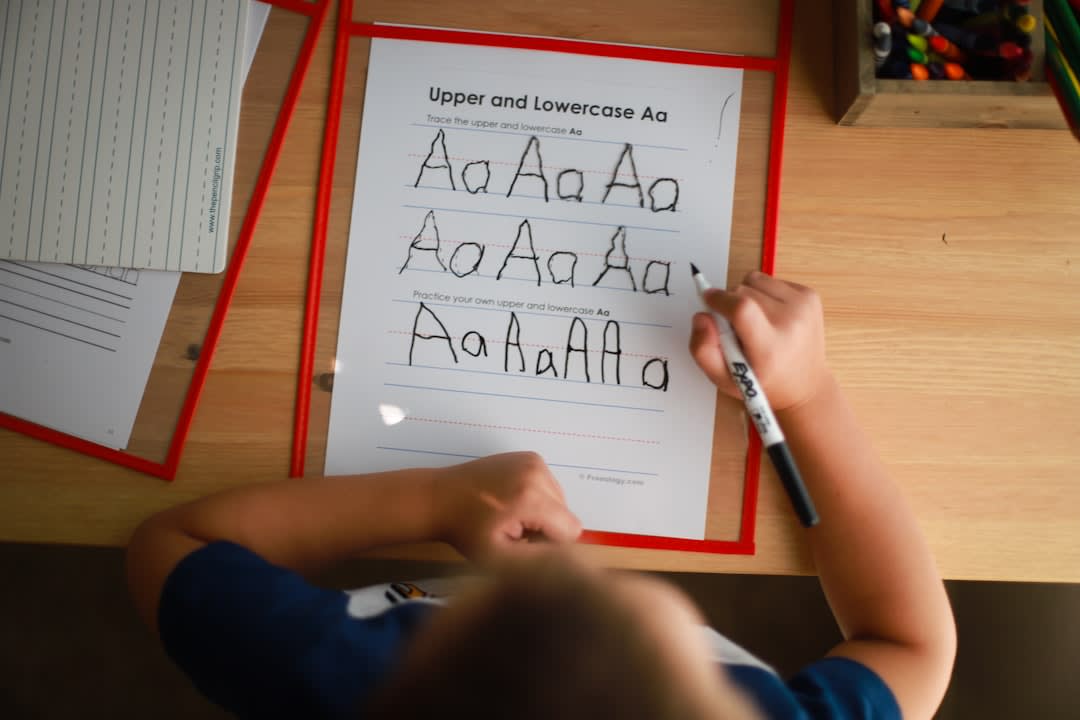
AI's role in the writing industry cannot be understated. Tools like GPT-3 by OpenAI have revolutionized content generation, enabling machines to produce human-like text. These tools can draft emails, write articles, and even compose poetry. For businesses, AI offers cost-effective content solutions, increasing efficiency and output. However, despite these advancements, AI-generated writing often lacks the depth and subtlety that human writers bring.
For instance, while AI can generate text based on patterns and data, it struggles with creativity and emotional depth. A human writer can weave narratives that resonate emotionally, drawing from personal experiences and cultural contexts—an area where AI falls short. This creative gap is a crucial factor in determining the longevity of writing as a human profession.
Moreover, AI writing tools are often limited by their dependency on existing data. They can mimic styles and generate variations but struggle with originality. This limitation is particularly evident in fiction writing, where new worlds and characters are crafted from imagination. As a result, while AI can assist with writing, it is unlikely to replace the unique creativity and insight that human writers provide.
Why Human Creativity Still Matters

Human creativity is rooted in experiences, emotions, and cultural nuances that AI cannot replicate. While AI can analyze vast amounts of data and identify patterns, it lacks the ability to understand complex human emotions and societal contexts. This is particularly important in writing, where context and nuance are critical.
Consider the realm of journalism, where understanding cultural subtleties and ethical considerations is vital. An AI may generate content faster, but a human journalist can provide insights and analysis that are grounded in ethical judgment and cultural awareness. This human touch is crucial for producing content that is not only informative but also meaningful and engaging to readers.
Furthermore, storytelling—a fundamental aspect of writing—relies heavily on human intuition and creativity. From screenplays to novels, storytelling requires an understanding of human emotions and relationships. While AI can assist in structuring a story or suggesting plot lines, it cannot replace the human imagination required to create compelling narratives that captivate audiences.
AI as a Tool, Not a Replacement

AI should be viewed as a tool that complements human creativity, rather than a replacement. Writers can leverage AI to enhance their productivity and creativity, using it to automate mundane tasks such as data analysis and content optimization. This allows writers to focus on the more creative aspects of their work, such as ideation and storytelling.
For example, AI tools can assist in editing by identifying grammatical errors and suggesting improvements, allowing writers to refine their work more efficiently. Similarly, AI can analyze reader engagement data to help writers tailor their content to better suit their audience's preferences. This synergistic approach enables writers to harness AI's capabilities while maintaining their creative edge.
Moreover, AI can inspire creativity by providing new perspectives and ideas. By analyzing vast amounts of data, AI can identify emerging trends and topics, offering writers new angles to explore. This can be particularly beneficial in fields such as marketing and content creation, where staying ahead of trends is crucial for success.
The Future of Writing in an AI-Driven World
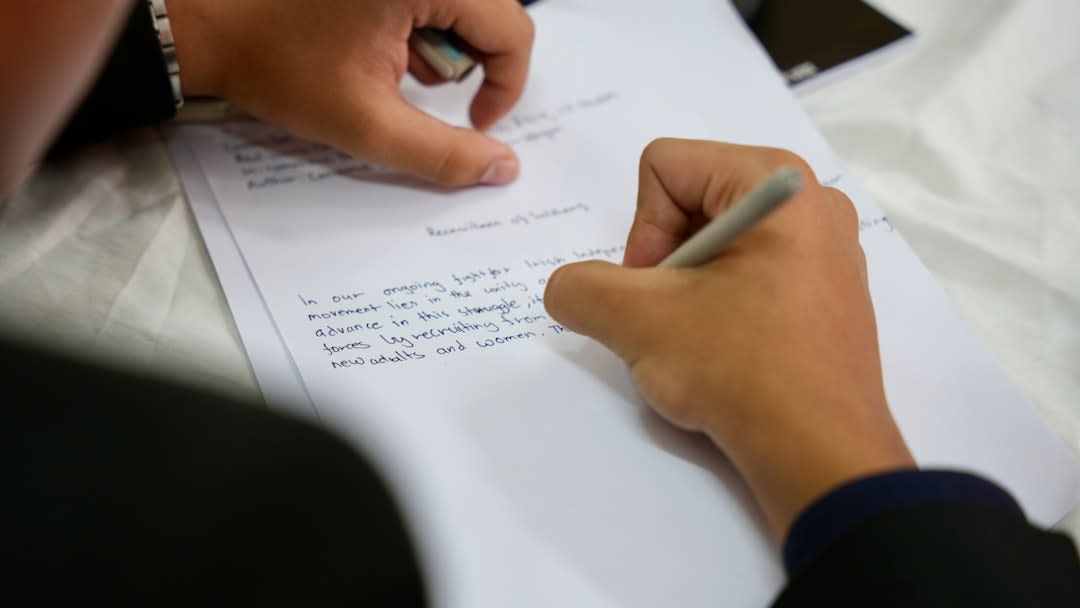
The future of writing in an AI-driven world will likely involve a blend of human creativity and AI assistance. As AI technology continues to evolve, it will become increasingly integrated into the writing process, enhancing efficiency and creativity. However, the core of writing—the human ability to connect with readers through storytelling and emotion—will remain irreplaceable.
In sectors like marketing, AI can optimize content distribution and audience targeting, but it cannot create the authentic brand narratives that resonate with consumers. Similarly, in literature, while AI can suggest plot structures, the depth and authenticity of character development will always require a human touch.
Moreover, as AI becomes more prevalent, the demand for human writers who can provide unique perspectives and insights will likely increase. In a world where AI can generate vast amounts of data-driven content, the ability to produce original and engaging content will become a valuable skill. This shift could lead to new opportunities for writers to specialize in areas where human creativity is paramount.
Embracing AI in the Writing Profession

To thrive in an AI-driven world, writers must embrace AI as an ally rather than a threat. By understanding the capabilities and limitations of AI, writers can leverage technology to enhance their skills and productivity. This involves staying informed about the latest AI tools and trends, as well as continuously developing their creative and analytical abilities.
Writers can also explore new avenues for collaboration with AI, such as developing interactive storytelling experiences or creating content for emerging platforms like virtual reality. By embracing these new opportunities, writers can expand their skill sets and stay relevant in an ever-changing industry.
In addition, writers should focus on honing their unique creative voice and perspective. As AI continues to improve, the demand for content that offers original insights and ideas will only grow. By cultivating their creativity and critical thinking skills, writers can ensure they remain indispensable in the writing profession.
Conclusion

In conclusion, while AI is reshaping the writing profession, it is unlikely to replace the human creativity and insight that are essential to the craft. By embracing AI as a tool and focusing on their unique strengths, writers can continue to thrive in an AI-driven world. As the demand for original and engaging content grows, the writing profession will remain a vital and dynamic field for creative professionals.
For career-driven professionals looking to grow in the writing industry, it is crucial to stay informed about AI advancements and continuously develop their creative and analytical skills. By doing so, they can harness the power of AI to enhance their work and remain competitive in the ever-evolving landscape of the writing profession.
Frequently Asked Questions
- How is AI impacting the writing profession?
AI impacts the writing profession by providing tools that enhance productivity and content generation. However, it cannot replicate the creativity and emotional depth that human writers bring to their work.
- Can AI replace human writers?
While AI can assist with certain aspects of writing, such as editing and data analysis, it cannot replace the unique creativity and insight that human writers provide.
- What skills are essential for writers in an AI-driven world?
Writers should focus on honing their creative voice, critical thinking, and analytical skills to remain competitive in an AI-driven world.
- How can writers leverage AI to enhance their work?
Writers can use AI tools to automate mundane tasks, analyze data for insights, and generate new ideas, allowing them to focus on more creative aspects of their work.
- Is the future of writing secure despite AI advancements?
Yes, the future of writing remains secure as human creativity and emotional depth are irreplaceable, even as AI technology advances.
- What opportunities exist for writers in an AI-driven world?
Writers can explore new avenues such as interactive storytelling and content creation for emerging platforms like virtual reality, leveraging AI to enhance their work.
- How can writers stay relevant in the face of AI advancements?
Writers can stay relevant by continuously developing their creative and analytical skills, staying informed about AI tools and trends, and focusing on their unique creative voice.
Tags
Amzsoft Innovexa
Engineering and delivery notes from the Amzsoft Innovexa team — fintech platforms, AI automation, and product engineering.