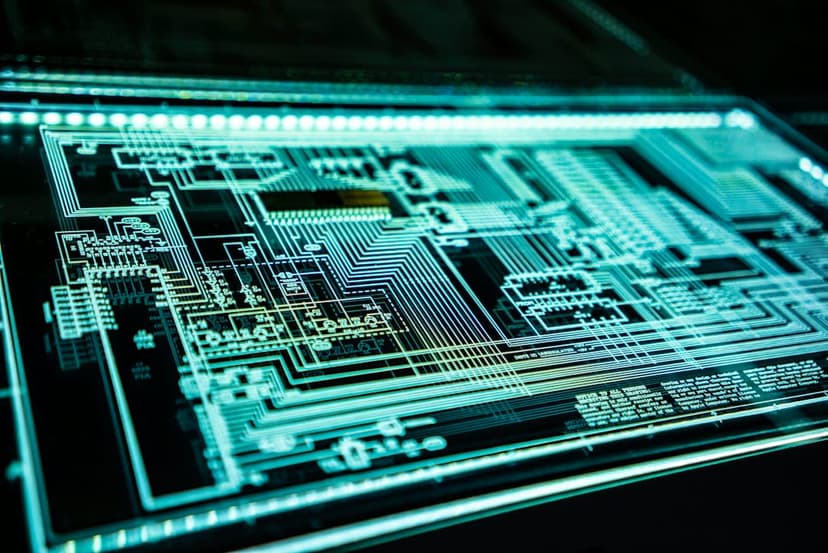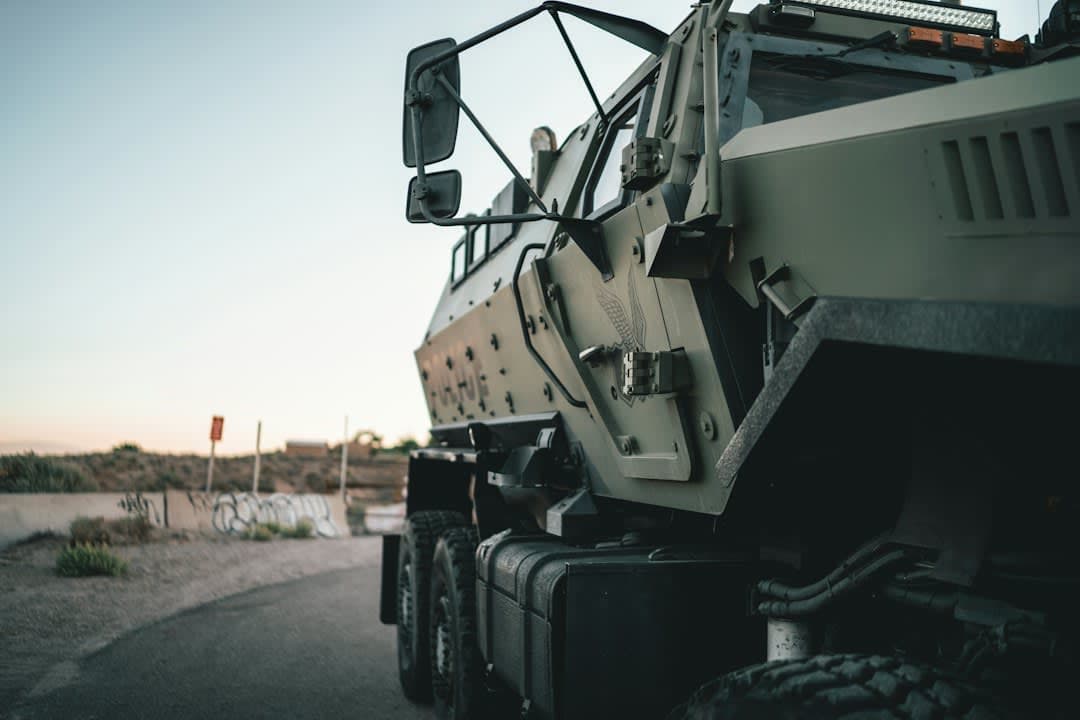
Exploring the Dangers of AI Overreliance in Military Operations
In an era where technology permeates every aspect of our lives, the role of artificial intelligence (AI) in military operations has expanded dramatically. The Pentagon's recent misstep, where AI overreliance led to an erroneous missile strike, underscores the potential risks associated with dependency on autonomous systems for critical decision-making. This incident has sparked a global conversation about the ethical implications, security concerns, and the future trajectory of AI integration in military contexts.
For cybersecurity professionals and privacy-conscious readers, understanding the intricacies of AI in military applications is crucial. This deep dive explores the risks of AI overreliance, examines the ethical and strategic challenges, and discusses the broader implications for national security.
The Rise of AI in Military Technology
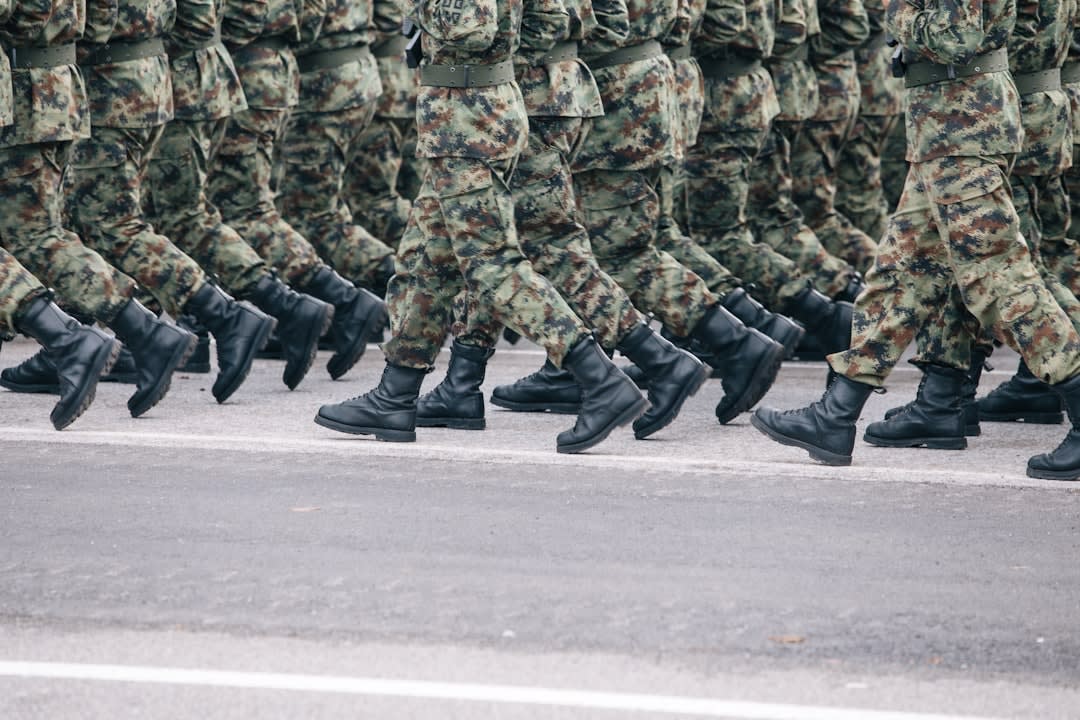
The integration of AI into military technology has been both rapid and transformative. From autonomous drones to advanced surveillance systems, AI is reshaping how military missions are planned and executed. The Pentagon has been at the forefront of this technological shift, investing billions into AI research and development to maintain a strategic advantage on the global stage.
AI's potential in military applications is vast. It offers enhanced data processing capabilities, real-time threat analysis, and the ability to make complex decisions faster than humanly possible. For example, AI can process satellite imagery to identify potential threats, allowing for quicker response times. However, this speed and efficiency come at a cost. As shown in the recent incident, overreliance on AI can lead to catastrophic outcomes when these systems malfunction or are compromised.
Real-world examples illustrate both the promise and peril of AI in military contexts. In 2020, the Pentagon's Project Maven aimed to leverage AI for analyzing drone footage. While it improved target identification, the project's reliance on complex algorithms raised ethical concerns and sparked debate over the potential for civilian casualties. This underscores a critical point: while AI can enhance military capabilities, it must be balanced with human oversight to mitigate risks.
Implications of AI Overreliance on National Security

The recent missile strike misstep is a stark reminder of the vulnerabilities inherent in AI-dependent systems. National security experts warn that overreliance on AI could create exploitable weaknesses. Adversaries might target these systems with cyber attacks, potentially causing significant disruptions or misinformation within military operations.
Furthermore, AI systems often operate as black boxes, with complex algorithms that are difficult to interpret. This opacity can lead to challenges in accountability, as decision-making processes become increasingly automated. When AI systems make decisions based on flawed data or biased algorithms, the consequences can be severe, leading to unintended escalations or diplomatic tensions.
Statistics reveal the growing concern among military officials and policymakers. According to a 2023 report by the International Institute for Strategic Studies, 65% of defense leaders expressed concern about AI's role in military decision-making, citing potential security risks and ethical dilemmas. This sentiment is echoed by cybersecurity experts who advocate for robust safeguards and transparency in AI deployment.
Case Study: The Pentagon's Missile Strike Misstep
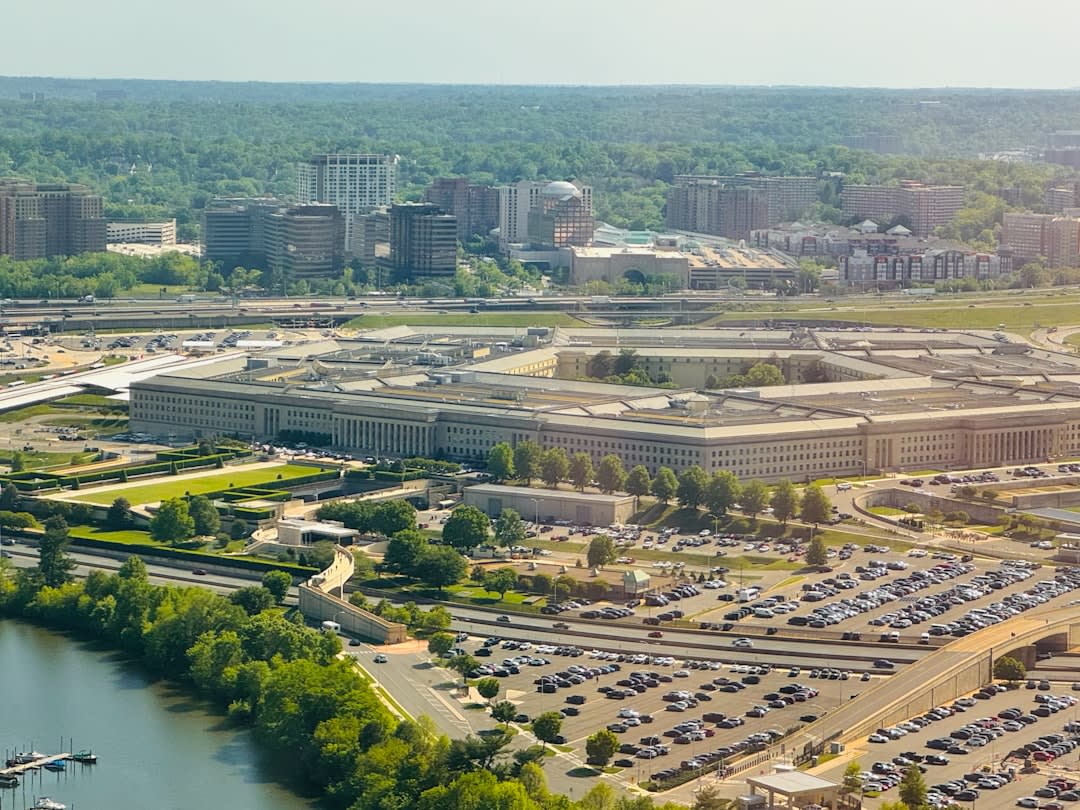
The Pentagon's recent incident serves as a cautionary tale of AI overreliance. During a routine military operation, an AI-powered system misidentified a target, resulting in a misguided missile strike. The fallout was immediate, with significant political and ethical ramifications.
This case highlights several key issues. Firstly, it underscores the importance of human oversight in AI-driven military operations. While AI can process vast amounts of data quickly, human judgment is essential to interpret contextual nuances and ethical considerations. Secondly, the incident reveals the challenges of integrating AI with existing military infrastructure, where legacy systems may not seamlessly align with new technologies.
In response, the Pentagon has initiated a review of its AI protocols, emphasizing the need for stringent testing and validation processes. This includes ensuring AI systems are resilient against adversarial attacks and incorporating fail-safes to prevent unilateral decision-making without human intervention. Such measures are vital to prevent future incidents and restore confidence in AI-enhanced military capabilities.
AI Ethics and Accountability in Military Contexts
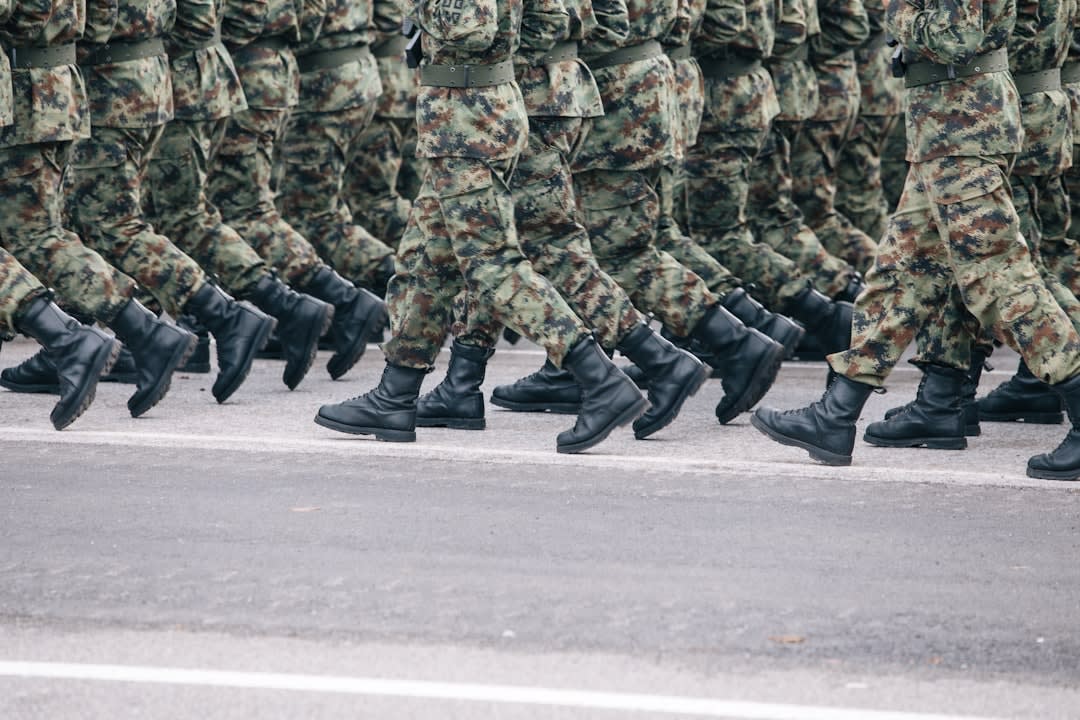
The ethical implications of AI in military operations cannot be overstated. As autonomous systems assume greater roles in decision-making, questions about accountability become increasingly pertinent. Who is responsible when an AI system makes an erroneous decision? How can ethical frameworks be established to guide AI deployment in military settings?
Experts advocate for comprehensive ethical guidelines and international treaties to govern AI use in warfare. These frameworks should address issues such as bias in AI algorithms, the potential for civilian harm, and the need for transparency in AI decision-making processes. The Pentagon, for instance, has begun collaborating with international allies to develop robust ethical standards that ensure responsible AI deployment.
Moreover, the concept of human-in-the-loop is gaining traction as a means to balance AI autonomy with human control. This approach advocates for maintaining human oversight in critical decision-making processes, ensuring that AI serves as an assistive tool rather than a replacement for human judgment. As AI continues to evolve, maintaining ethical accountability will be essential to prevent misuse and maintain global stability.
Balancing AI Innovation with Human Oversight

Achieving a balance between AI innovation and human oversight is crucial for the future of military technology. While AI offers significant advantages in terms of efficiency and capabilities, it is imperative to ensure that human judgment remains a central component of critical decision-making processes.
Organizations like the Pentagon are exploring hybrid models that leverage AI's strengths while retaining human oversight. These models emphasize the importance of collaboration between humans and machines, where AI handles data-intensive tasks, and humans provide strategic guidance and ethical considerations.
For instance, in scenarios involving potential military engagement, AI can process intelligence data to assess threats, while human commanders make the final decisions based on a comprehensive understanding of the geopolitical landscape. This approach not only enhances decision-making accuracy but also mitigates the risks associated with AI overreliance.
Moreover, ongoing training and education for military personnel are essential to ensure they are equipped to work effectively with AI systems. By fostering a culture of continuous learning and adaptability, organizations can harness AI's potential while safeguarding against its pitfalls.
The Future of AI in Military Operations
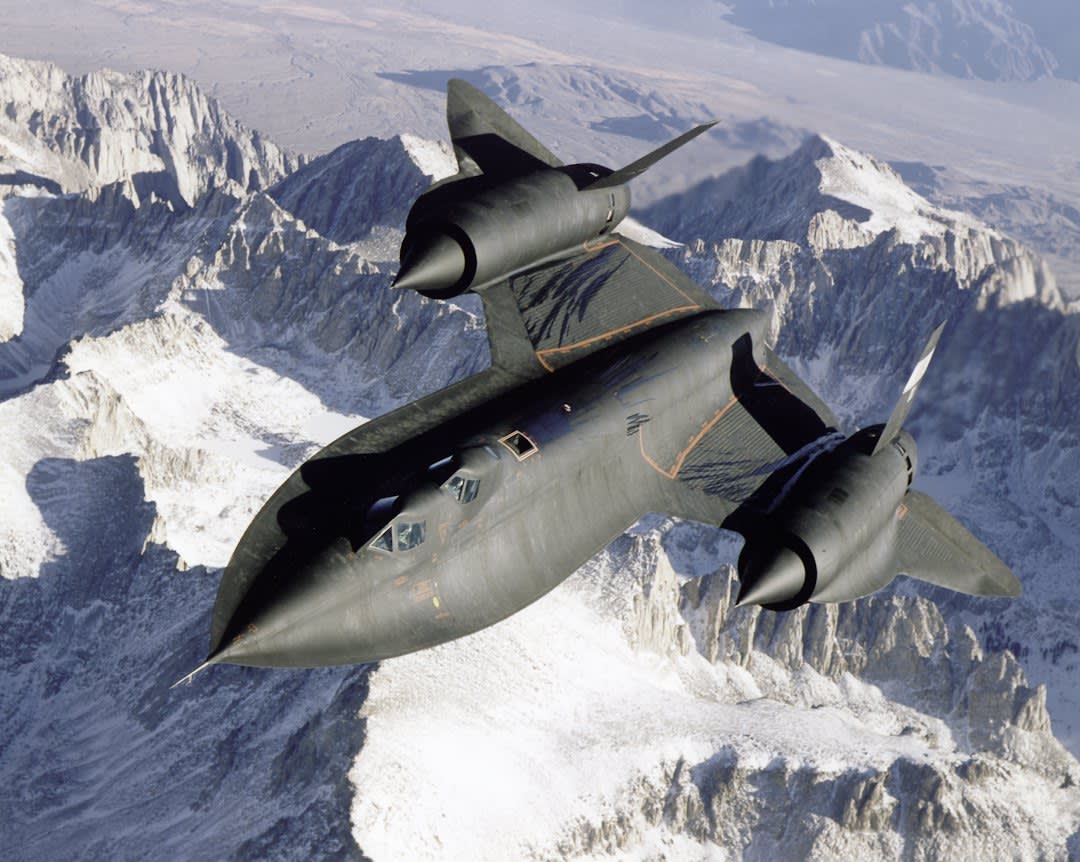
As AI technology continues to advance, its role in military operations is likely to expand. However, this growth must be accompanied by careful consideration of the ethical, strategic, and security implications that come with AI integration.
The Pentagon's experience serves as a valuable lesson for other nations and organizations exploring AI deployment in military contexts. By learning from past mistakes and prioritizing human oversight and ethical accountability, it is possible to harness AI's potential without compromising national security.
Future developments in AI are expected to focus on enhancing system transparency and interpretability, ensuring that decision-making processes are understandable and accountable. Additionally, collaboration between international stakeholders will be crucial in establishing global standards and best practices for AI use in military operations.
Ultimately, the goal is to create a future where AI serves as a powerful ally in military operations, enhancing capabilities while safeguarding against risks. By striking the right balance between innovation and oversight, it is possible to achieve this vision and ensure a safer, more secure world.
FAQs on AI Overreliance in Military Operations
What are the main risks of AI overreliance in military operations?
AI overreliance can lead to vulnerabilities in decision-making, potential cyber attacks on autonomous systems, and accountability challenges due to AI's opaque nature. These risks underscore the need for human oversight and robust security measures.
How can ethical frameworks guide AI deployment in the military?
Ethical frameworks are crucial for ensuring responsible AI use in military contexts. They address issues like bias, civilian safety, and transparency, providing guidelines for accountable and ethical AI deployment.
What lessons can be learned from the Pentagon's missile strike misstep?
The Pentagon's incident highlights the importance of human oversight, stringent testing, and ethical considerations in AI deployment. It serves as a reminder of the potential consequences of AI overreliance and the need for robust safeguards.
How can AI and human oversight be balanced in military operations?
Balancing AI and human oversight involves leveraging AI's data processing capabilities while maintaining human control over critical decisions. Hybrid models and human-in-the-loop approaches are effective strategies to achieve this balance.
What is the role of international collaboration in AI military ethics?
International collaboration is essential for establishing global standards and best practices for AI use in military operations. Collaborative efforts ensure ethical accountability and help prevent misuse of AI technology.
How does AI transparency impact military decision-making?
AI transparency is crucial for accountability in military decision-making. Transparent AI systems allow for better understanding and interpretation of decisions, reducing the risk of unintended consequences.
What future trends are expected in AI military applications?
Future trends in AI military applications are likely to focus on enhancing system transparency, improving human-machine collaboration, and establishing robust ethical standards for AI deployment.
How can cybersecurity professionals mitigate AI-related risks in the military?
Cybersecurity professionals can mitigate AI-related risks by implementing robust security measures, conducting regular audits, and ensuring continuous training for military personnel to work effectively with AI systems.
In conclusion, the intersection of AI and military operations presents both opportunities and challenges. By learning from past experiences and prioritizing ethical accountability and human oversight, it is possible to harness AI's potential for enhancing national security while safeguarding against its risks. For more insights into cybersecurity trends, check out our article on Top Cybersecurity Trends for Business Protection in 2024 and explore broader implications of technology integration in our analysis of tech and privacy.
Tags
Amzsoft Innovexa
Engineering and delivery notes from the Amzsoft Innovexa team — fintech platforms, AI automation, and product engineering.