
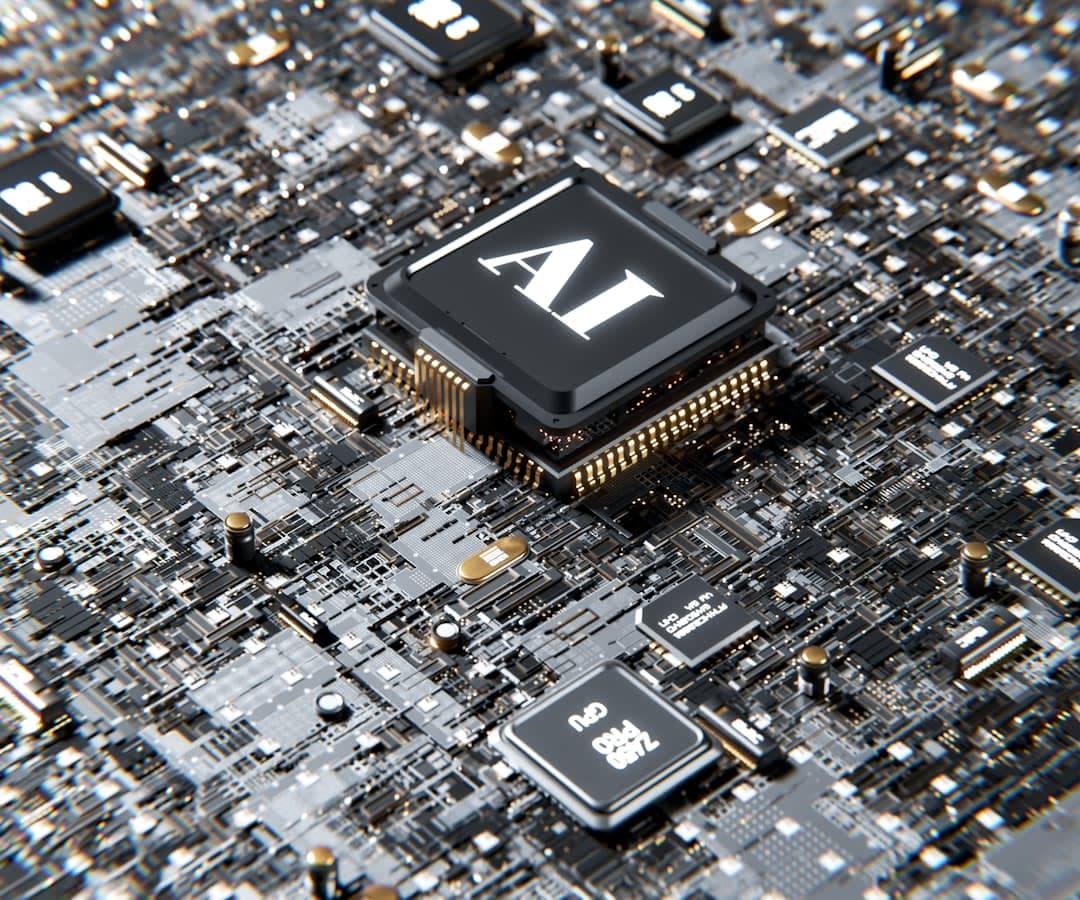
AI Startups: Innovating and Disrupting Traditional Industries
AI startups are leading the charge in the tech revolution. These companies are not merely participating; they are redefining the landscape of traditional industries through innovation and unique strategies. But how are they achieving this disruption? Let's explore the key tactics that drive their success, supported by real-world case studies and insights from industry leaders.
Understanding the AI-First Approach

Unlike conventional startups, AI-first companies prioritize artificial intelligence at the core of their business models. This approach enables them to provide groundbreaking solutions to longstanding challenges, making them particularly effective at disrupting established sectors.
What Sets AI-First Startups Apart?
- Data-Driven Decision Making: AI-first startups utilize vast data sets for informed decision-making, giving them a competitive edge in industries that still rely on intuition.
- Scalability: AI technology allows for rapid scaling, enabling these startups to swiftly expand their offerings and penetrate new markets.
- Personalization: By leveraging AI, these companies deliver highly personalized experiences, a feat that traditional businesses often find challenging.
Key Strategies of AI Startups

AI startups employ diverse strategies to outpace traditional competitors. Here are several pivotal approaches:
Integrating Open-Source Frameworks
Open-source frameworks play a vital role in AI development. Tools like Haystack enable startups to build robust AI applications efficiently. This strategy minimizes development costs and fosters innovation.
Building Cross-Industry Partnerships
AI startups frequently collaborate with traditional firms to merge expertise and technology. For instance, partnerships between AI companies and automotive giants are reshaping the future of autonomous vehicles.
Focusing on Niche Markets
Rather than competing directly with major corporations, AI startups often target niche markets, delivering tailored solutions that larger companies may overlook.
Case Studies: Real-World Impact of AI Startups
Let's examine some AI-first startups that are making significant impacts in their fields:
Healthcare: Tempus
Tempus employs AI to personalize cancer treatment by analyzing clinical data. Their innovative approach enhances patient care, providing actionable insights that traditional methods cannot match.
Financial Services: Zest AI
Zest AI utilizes machine learning to refine credit scoring models. Their accurate predictions empower financial institutions to make better lending decisions, reducing risk and expanding access.
Retail: Stitch Fix
Stitch Fix merges AI with human expertise to deliver personalized fashion recommendations. This hybrid model boosts customer satisfaction and loyalty, distinguishing them from traditional retailers.
Interviews with AI Startup Founders
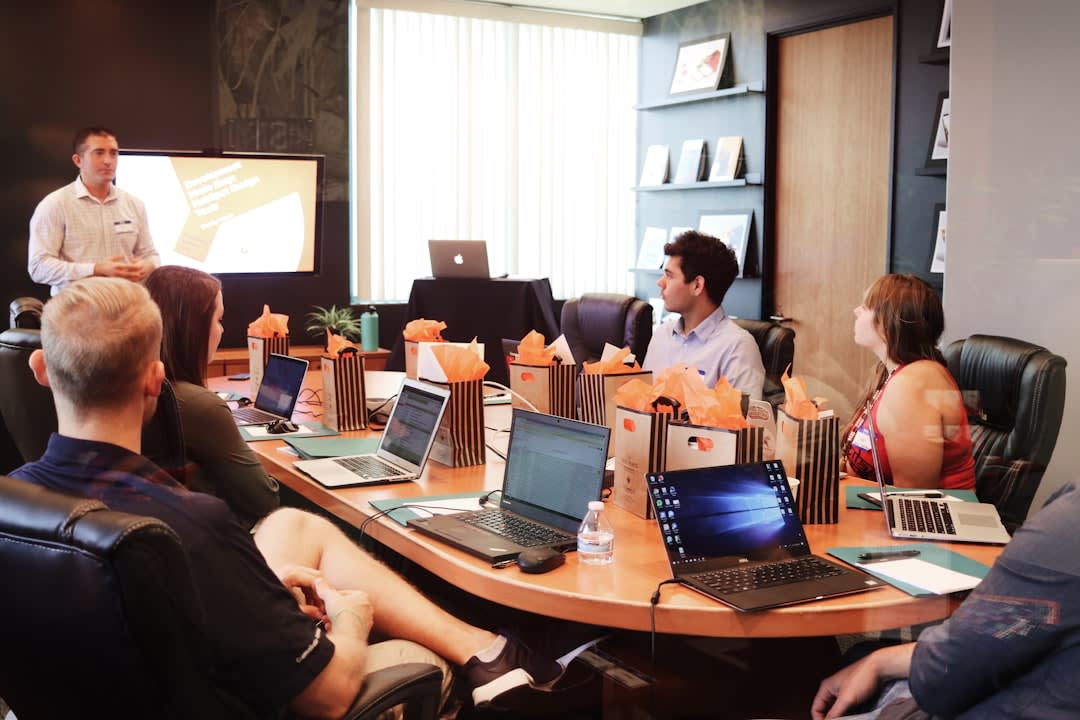
We interviewed several AI-first startup founders to gain insight into their motivations and challenges:
John Doe, CEO of InnovateAI
"Our goal is to redefine how industries approach problem-solving. By embedding AI into every aspect of our operations, we can innovate faster and more effectively than our competitors."
Jane Smith, Founder of HealthTechAI
"The biggest challenge is convincing traditional industries to adopt AI. But once they see the results, the hesitation disappears."
The Ripple Effect on Traditional Industries

AI startups are transforming not only their sectors but also prompting traditional companies to rethink their strategies. For instance, the automotive industry, as discussed in Ford's AI rehire article, illustrates how companies must adapt to remain competitive.
Moreover, the impact of advanced technology, such as IBM's nanometer chip, as explored in this article, underscores the necessity of innovation in staying ahead.
Conclusion
AI-first startups are not just participants in the modern economy; they are pioneers reshaping the business landscape. By deploying innovative strategies and leveraging technology, these startups set new standards for success across industries. As they continue to grow, both startups and traditional companies must adapt and innovate to thrive in this rapidly evolving environment.
Tags
69ee7b2435e609f0fcf89840
Content creator and technology enthusiast sharing insights on the latest trends and best practices.

