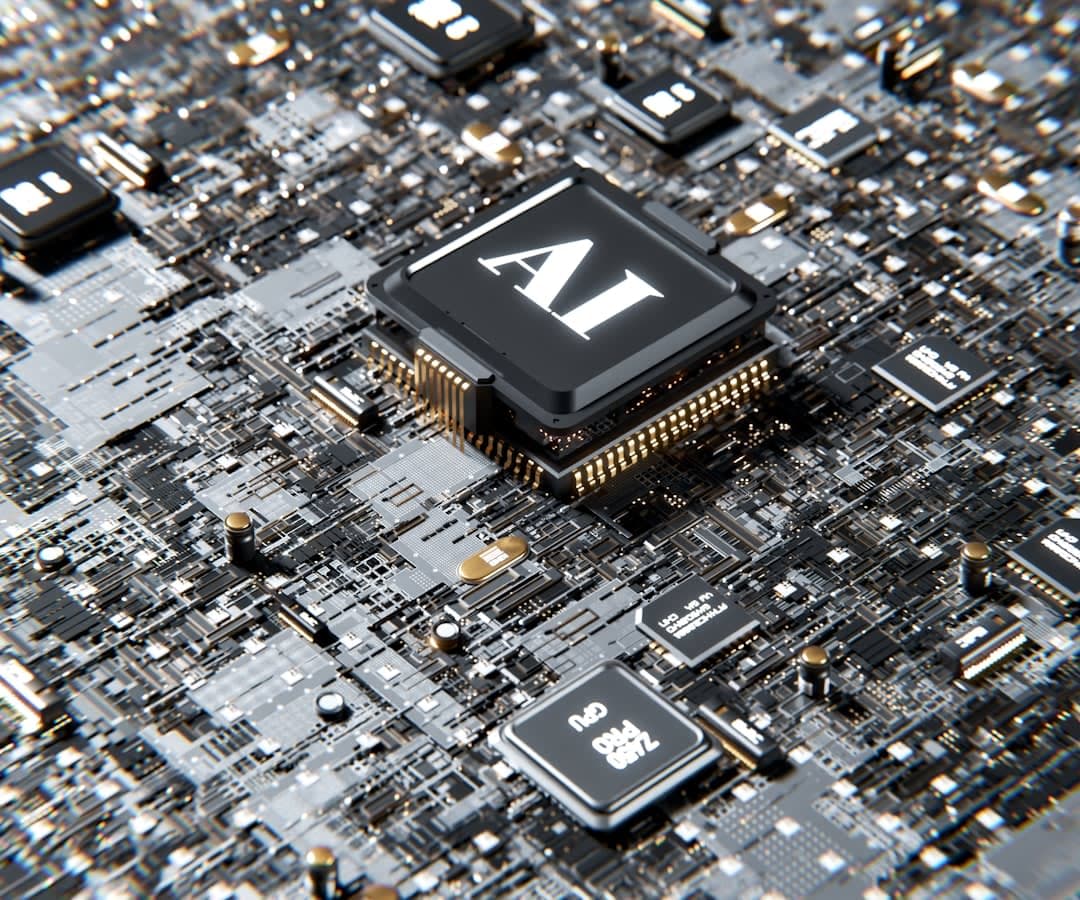
IBM's recent unveiling of the sub-1 nanometer chip is poised to redefine the boundaries of chip technology. This breakthrough not only signifies a leap in chip technology but also opens new avenues for software development, AI applications, and startup innovations.
What Does Sub-1 Nanometer Mean?
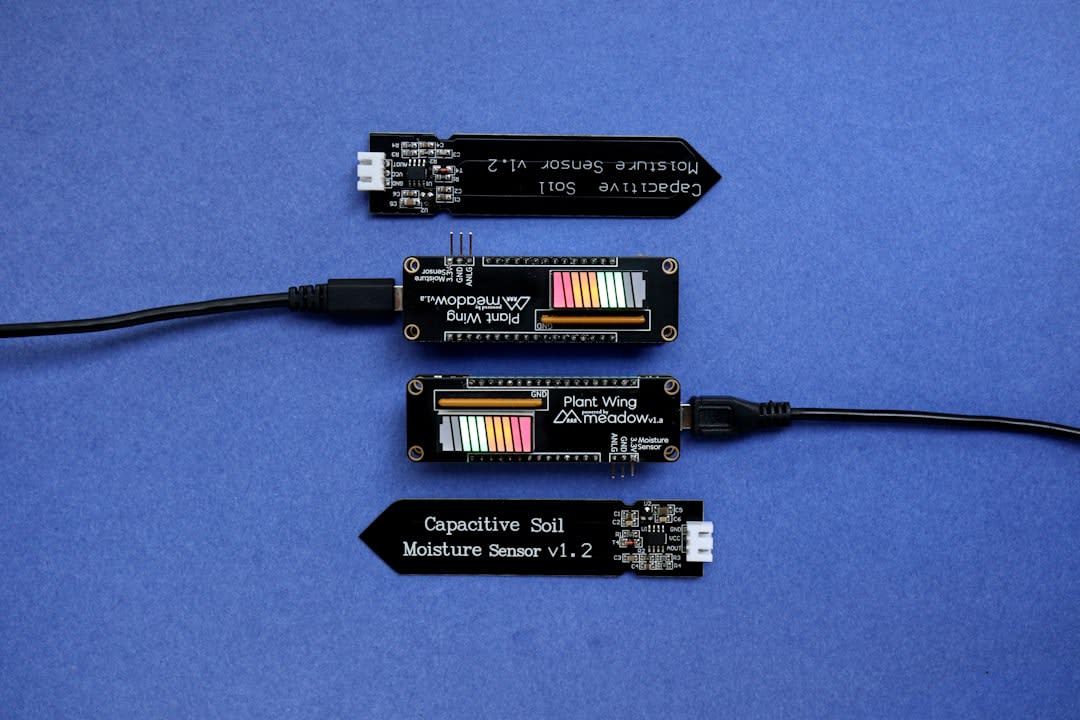
IBM's sub-1 nanometer chip represents a significant reduction in transistor size, allowing more transistors to fit on a single chip. This increase in density promises enhanced processing power, energy efficiency, and speed.
Implications for Software Development
The development of these chips means that software developers can create more complex and efficient applications. With the increased processing power, developers can harness new capabilities in AI and machine learning, potentially leading to faster model training and deployment.
- Enhanced Processing Capabilities: Enables more sophisticated algorithms and real-time processing.
- Increased Efficiency: Allows for the development of energy-efficient applications.
For developers, understanding these advancements is crucial as they could influence decisions on frameworks and tools. For instance, those evaluating whether to use React or Next.js might find performance differences increasingly relevant.
Transforming AI Applications
AI development stands to gain tremendously. The sub-1 nanometer chip's enhanced capabilities can significantly reduce the time required for AI training models, making AI applications more accessible and affordable.
- Faster AI Training: Accelerates the development and deployment of AI solutions.
- Cost Reduction: Makes advanced AI applications more viable for startups.
Developers using open-source frameworks like Haystack can leverage these chips for faster processing and improved AI performance, as discussed in Revolutionizing AI Development with Open-Source Frameworks Like Haystack.
Opportunities for Startup Innovations

For startups, the introduction of IBM's sub-1 nanometer chip means a more level playing field. These chips can empower startups to innovate without the high costs traditionally associated with cutting-edge technology.
- Lower Entry Barriers: Affordable access to top-tier processing power.
- Increased Innovation: Enables startups to focus on creative solutions rather than technical limitations.
Startups can now build more robust applications with less capital, allowing them to compete with larger companies. This shift could mirror the effects seen in other industries, such as the impact on developers from Apple's price increases.
The Future of Tech Innovation

IBM's push towards sub-1 nanometer chip technology is not just a win for hardware innovation but a catalyst for a new wave of software and AI advancements. This chip technology could significantly influence workforce dynamics, much like the insights gleaned from Ford's AI talent strategies.
The road ahead is promising for developers, startups, and tech professionals eager to harness this cutting-edge technology. As the industry adapts, staying informed and agile will be key to leveraging these advancements for maximum impact.
Tags
69ee7b2435e609f0fcf89840
Content creator and technology enthusiast sharing insights on the latest trends and best practices.