The Battle Begins: Apple's Legal Move Against OpenAI
When Apple filed a lawsuit against OpenAI, the tech world was sent into a tailspin. This unprecedented move highlights growing tensions over AI trade secrets and intellectual property. What does this battle mean for the future of AI development and ethics in technology?
Background: What Sparked the Lawsuit?
At the heart of this legal skirmish is Apple's allegation that OpenAI has misappropriated its proprietary technology. This involves complex algorithms and data sets that Apple claims are crucial to its AI advancements.
While specifics are scant, parallels can be drawn with Meta's innovative approaches in sustainable tech, highlighting the competitive edge such technologies provide.
Implications for AI Development
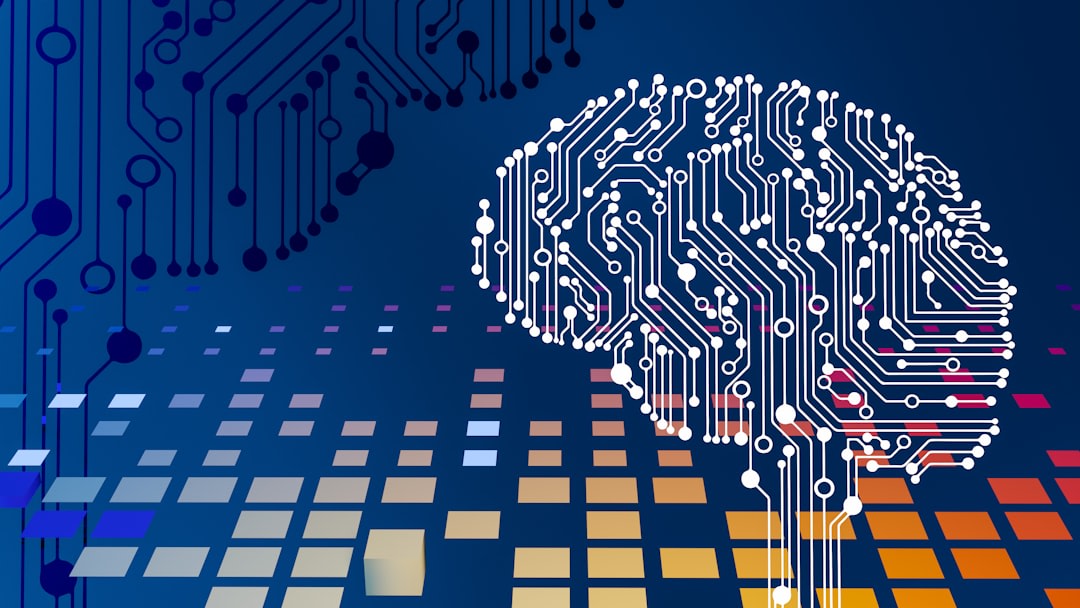
This lawsuit could set new precedents in how companies protect their AI innovations. It raises questions about the balance between fostering open innovation and safeguarding proprietary technology.
The Ripple Effect on Startups
For startup founders and tech entrepreneurs, this case underscores the importance of robust intellectual property (IP) strategies. As competition intensifies, companies may need to rethink their approach to IP protection in AI.
Moreover, the lawsuit could inspire a shift towards platforms like Codeberg, known for its emphasis on open source and collaboration, offering safer grounds for innovation without legal entanglements.
Ethics in AI: A New Paradigm?
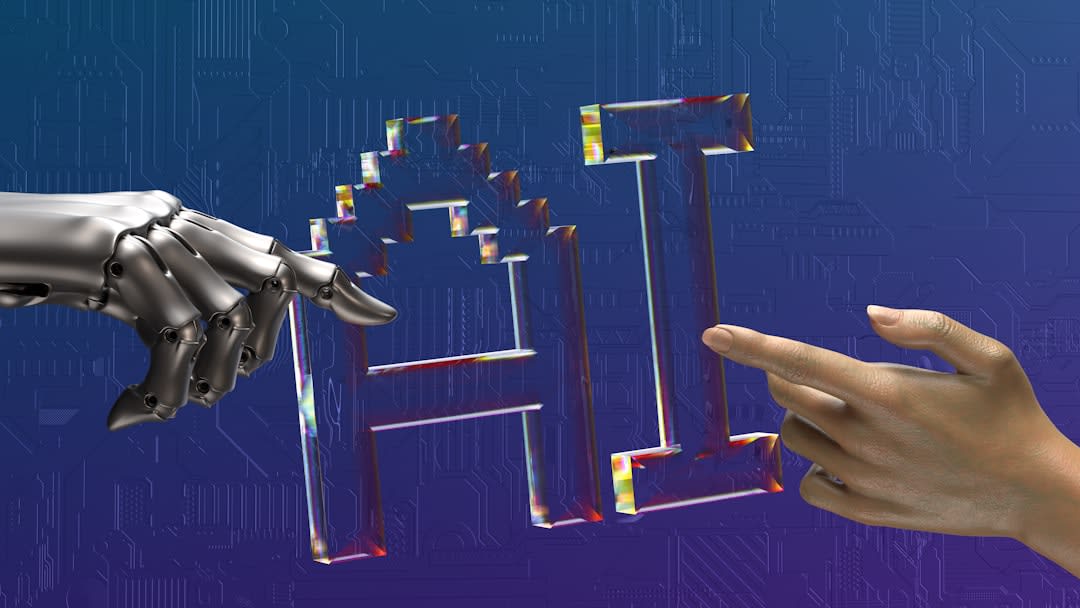
Beyond the courtroom drama, this legal battle poses significant ethical questions. How should companies navigate the thin line between competition and collaboration in AI?
Ensuring Ethical AI Practices
AI ethics are crucial as technology becomes more integrated into our lives. Apple's lawsuit might push for stricter regulations and ethical guidelines, akin to the frameworks discussed in our piece on AI governance.
As developers, aligning AI projects with ethical standards not only safeguards against legal issues but also fosters trust with users and stakeholders.
The Broader Impact on the Tech Industry
This lawsuit isn't just about Apple and OpenAI; it's a microcosm of a larger narrative unfolding in the tech industry. How companies handle AI trade secrets will likely influence future innovation landscapes.
Global Repercussions
Internationally, this case could affect how countries regulate AI technologies. With tech giants setting global trends, the outcome may influence international policies on AI development and ethics, similar to the impacts discussed in US tech influences on Europe.
Ultimately, this lawsuit serves as a reminder of the delicate balance between innovation and ethics in AI development. While the outcome remains uncertain, its implications will undoubtedly be felt across the tech sector.
FAQ
- Why is Apple suing OpenAI?
Apple alleges that OpenAI misappropriated its AI trade secrets, including proprietary algorithms and data sets.
- What could be the outcome of this lawsuit?
The lawsuit could redefine intellectual property norms in AI, impacting how companies protect and share their innovations.
- How does this affect AI ethics?
This case might push for stricter ethical guidelines, emphasizing transparency and accountability in AI development.
- Will this impact startups in the AI field?
Yes, startups may need to adopt stronger IP strategies and prioritize ethical AI practices to avoid similar legal challenges.
- Are there global implications?
The case could influence international AI policies, affecting how countries regulate AI trade secrets and development.
- How can developers adapt to these changes?
Developers should focus on ethical AI practices and consider open-source platforms to foster innovation without legal risks.
- What are the potential benefits of this lawsuit?
It could lead to more transparent AI practices and encourage a healthier balance between competition and collaboration.
- Is there a precedent for such lawsuits?
While similar cases exist, this lawsuit's focus on AI trade secrets is relatively novel and could set new legal standards.
As we watch this legal titan unfold, the tech community must prepare to adapt to whatever new landscape emerges. Embracing ethical AI practices and robust IP strategies is more critical than ever.
Tags
Amzsoft Innovexa
Engineering and delivery notes from the Amzsoft Innovexa team — fintech platforms, AI automation, and product engineering.