
Introduction: Ford's AI Journey Faces Challenges
When Ford announced its ambitious AI initiatives, the automotive industry buzzed with anticipation. However, the reality didn’t match the hype. Ford found itself in a predicament, rehiring experienced engineers after its AI plans fell short of expectations.
This decision reveals critical insights into the limitations of AI and the enduring value of human expertise. Let’s explore what this means for the future of AI in automotive technology and what startups can learn from Ford's experience.
Understanding Ford's AI Strategy
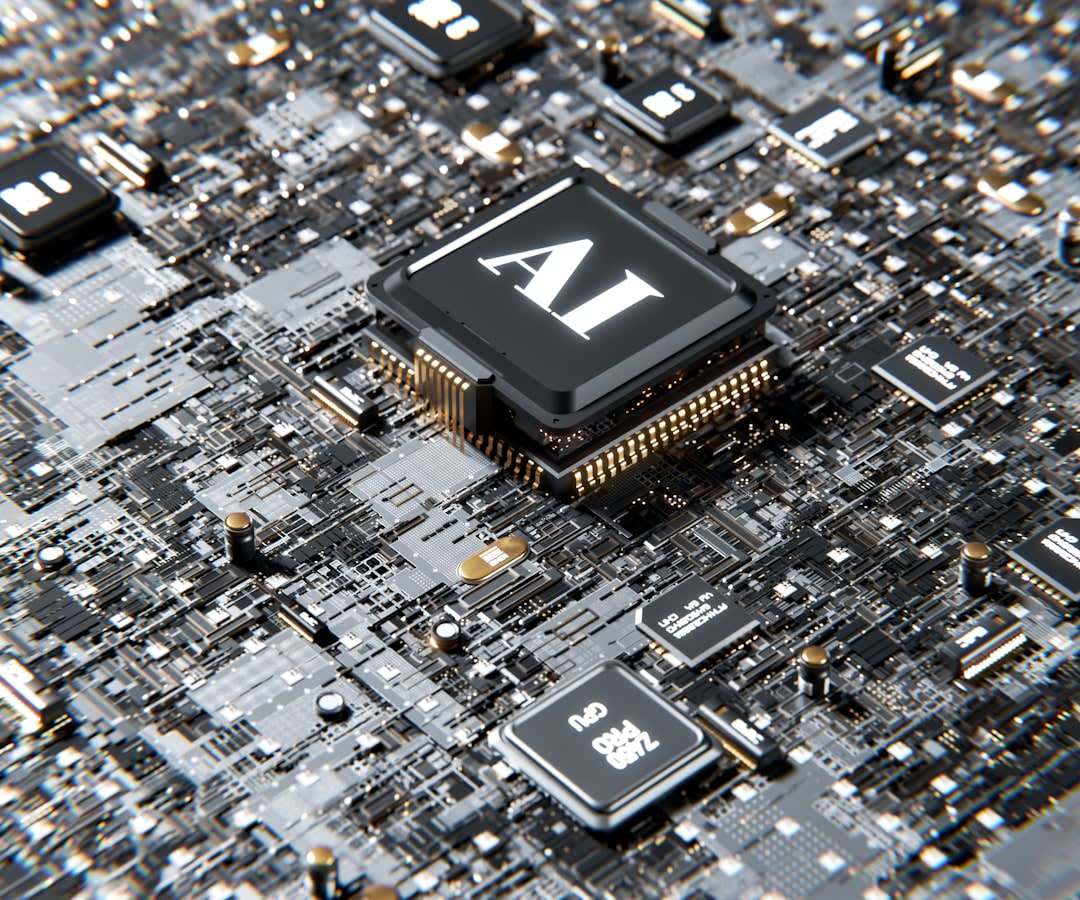
Initially, Ford embraced AI to streamline operations and innovate product offerings. The goal was to leverage AI for everything from autonomous driving technology to vehicle production efficiency.
However, as detailed in Ford's AI Hiring Strategy: Key Lessons from a Costly Mistake, the company’s over-reliance on AI without adequate human oversight led to significant challenges.
The Pitfalls of AI Over-Reliance
- Complexity Overload: AI systems proved overly complex, leading to integration issues.
- Lack of Adaptability: AI's inability to adapt quickly to real-world changes hampered progress.
- Human Element Missing: Critical thinking and problem-solving were undermined by the absence of human expertise.
Rehiring Engineers: A Strategic Pivot

Faced with these challenges, Ford made the bold decision to rehire engineers previously let go in favor of AI initiatives. This move underscores the value that experienced professionals bring to complex technological landscapes.
Why Human Expertise Matters
- Problem-Solving Skills: Engineers provide critical insights that AI models lack.
- Adaptability: Humans can pivot strategies in response to unforeseen challenges.
- Integration Capabilities: Engineers ensure seamless integration of technology within existing systems.
Implications for the Future of AI in Automotive
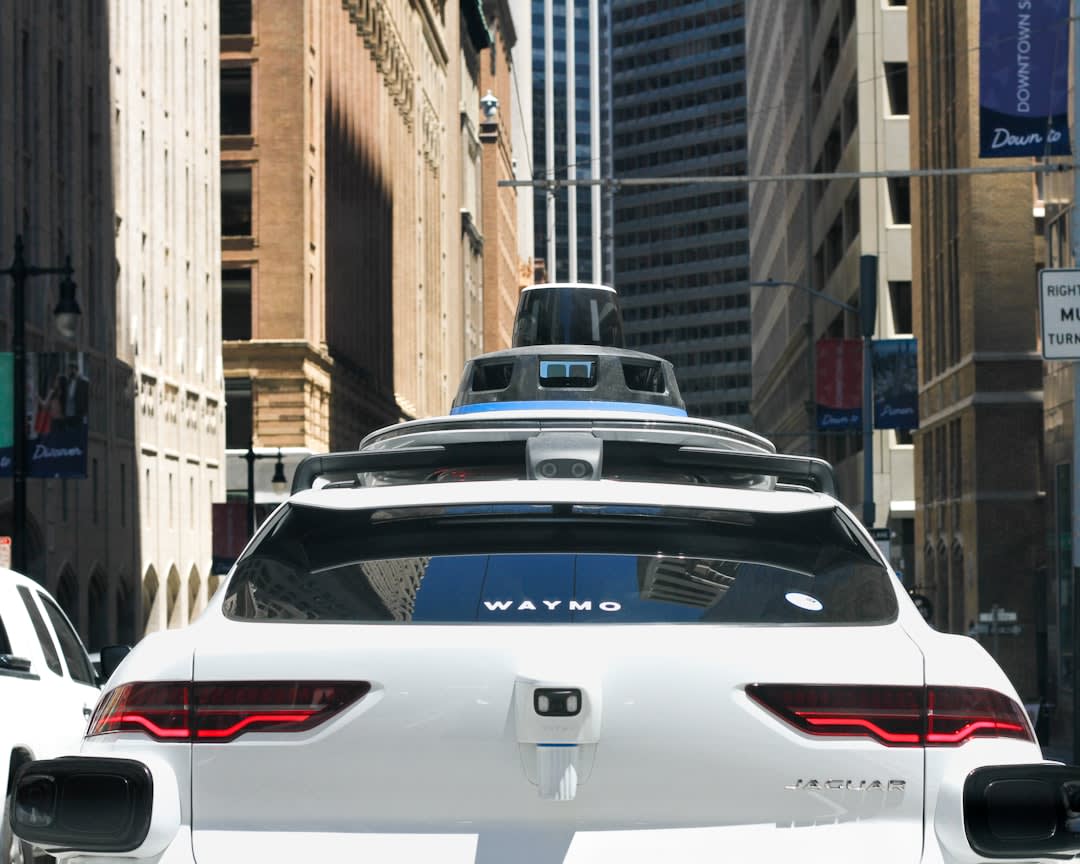
Ford’s experience serves as a cautionary tale for the industry. While AI offers transformative potential, its implementation must be balanced with human expertise.
For startups, this means fostering a workforce that blends AI capabilities with seasoned professionals, ensuring AI systems are robust and adaptable.
This lesson extends beyond automotive. In industries like RFIC Design and Healthcare Imaging, the integration of AI must consider human oversight for successful outcomes.
Lessons for Startups: Balancing AI and Human Talent

Startups entering AI-rich industries should heed these lessons:
- Invest in Hybrid Teams: Combine AI specialists with industry veterans for balanced decision-making.
- Prioritize Flexibility: Ensure AI systems can adapt to real-world variables.
- Continuous Learning: Encourage ongoing education for both AI systems and human teams.
By embracing these strategies, startups can avoid the pitfalls experienced by Ford and thrive in a rapidly evolving tech landscape.
Conclusion: The Road Ahead

Ford's AI backfire highlights crucial lessons in balancing technological ambition with practical expertise. As the automotive industry continues to evolve, the integration of AI must be carefully managed.
Startups and tech professionals should view Ford’s experience as an opportunity to refine their strategies, ensuring that AI enhances rather than hinders their progress.
Tags
69ee7b2435e609f0fcf89840
Content creator and technology enthusiast sharing insights on the latest trends and best practices.