The Transformative Role of AI in Cybersecurity
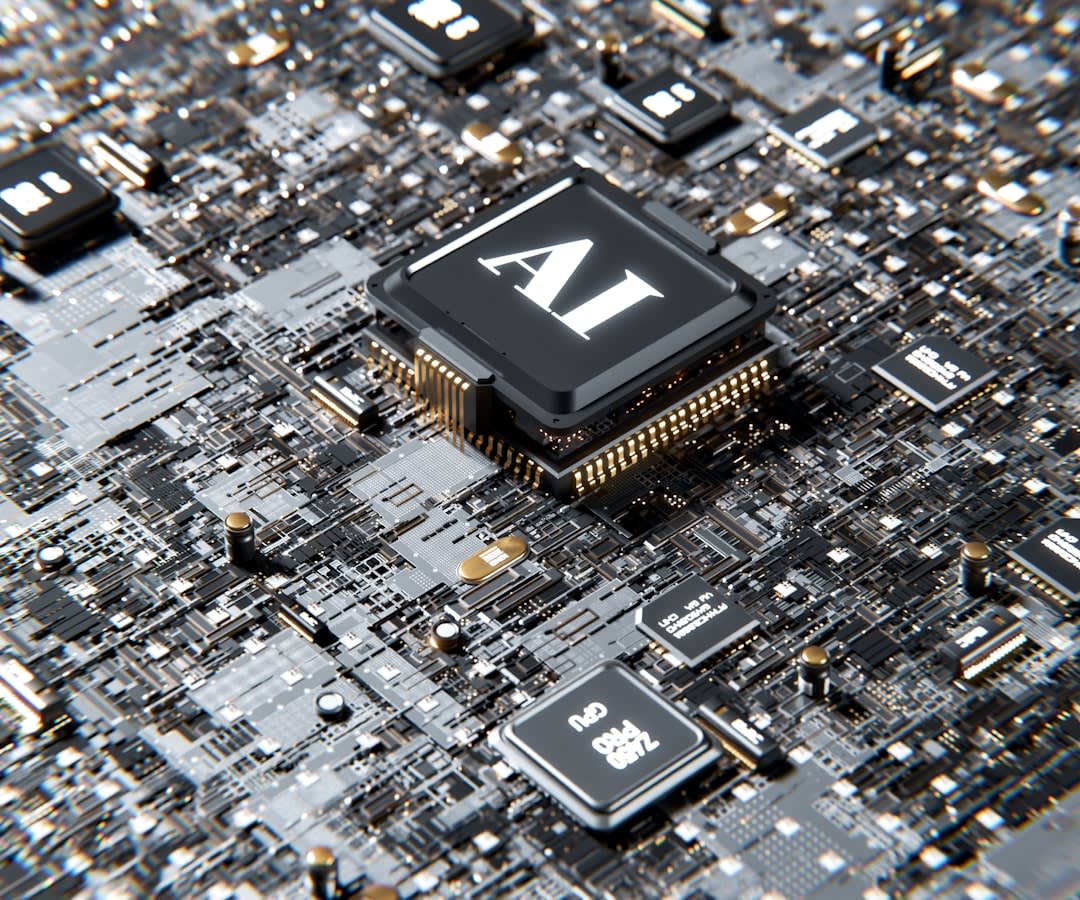
Artificial Intelligence (AI) is revolutionizing cybersecurity, offering unprecedented capabilities to detect and mitigate threats. However, the journey to harness AI's full potential is fraught with challenges. For tech startups and developers, understanding these challenges is crucial for creating robust AI-driven security solutions.
Real-World Applications of AI in Cybersecurity
AI's promise in cybersecurity extends beyond traditional methods. Machine learning algorithms can analyze vast amounts of data, identify patterns, and detect anomalies more rapidly and accurately than human analysts.
- Threat Detection: AI systems excel at identifying unusual activities and potential threats by analyzing network traffic and user behavior.
- Incident Response: Automated incident response mechanisms can contain threats before they inflict significant damage.
These applications are essential for startups and developers striving to protect their digital assets effectively.
Pressing Challenges in AI-Driven Cybersecurity

While AI offers powerful tools, it also introduces new challenges. The complexity of AI models and the reliance on data present unique vulnerabilities and ethical concerns.
Data Privacy and Security
The effectiveness of AI in cybersecurity heavily relies on data. Ensuring that this data is secure and private is a critical challenge. Breaches in data security can lead to AI systems being compromised, as discussed in our article on AI vulnerabilities.
Bias in AI Algorithms
Bias in AI systems can lead to inaccurate threat detection and unfair targeting. Developers must ensure that their AI models are trained on diverse datasets to mitigate this issue.
AI Model Complexity
The more complex an AI model, the harder it is to understand and secure. Simplifying AI architectures without compromising performance remains an ongoing challenge.
Potential Solutions and Strategies

Overcoming these challenges requires innovative strategies and collaboration across the tech industry. Here are some solutions to consider:
Building Ethical AI Systems
Developers should integrate ethical considerations into AI design and deployment. This includes regular audits and updates to AI models to ensure fairness and accuracy.
Enhancing Data Security
Implement robust encryption and access control measures to protect AI training data. Leveraging secure cloud platforms can also provide an extra layer of protection.
Collaboration and Sharing Knowledge
Sharing insights and challenges through industry forums can foster a collaborative approach to developing secure AI solutions. Initiatives like those seen in collaborative AI projects can provide valuable frameworks.
The Future for Developers and Startups

For developers and startups, the path forward involves embracing AI's potential while being vigilant about its limitations. The lessons learned from AI-driven incident management highlight the importance of continuous learning and adaptation.
AI in cybersecurity is not just about technology; it's about creating a secure ecosystem that supports innovation and growth.
FAQs
- How is AI used in cybersecurity? AI is used to analyze data, detect threats, and automate incident responses in cybersecurity.
- What are some challenges of AI in cybersecurity? Challenges include data privacy, algorithmic bias, and the complexity of AI models.
- Can AI completely replace human analysts in cybersecurity? No, AI complements human analysts by handling repetitive tasks, allowing them to focus on strategic decision-making.
- How can startups leverage AI for cybersecurity? Startups can use AI to enhance threat detection capabilities and automate security processes, enabling them to safeguard their digital infrastructure effectively.
- What are ethical considerations in AI cybersecurity? Ethical considerations include ensuring data privacy, reducing bias in algorithms, and maintaining transparency in AI operations.
- How do AI-driven strategies enhance cybersecurity? AI-driven strategies enhance cybersecurity by offering faster threat detection, improved response times, and predictive analytics.
- Are there any risks associated with AI in cybersecurity? Yes, risks include potential data breaches, algorithmic bias, and over-reliance on AI systems.
- How can developers ensure AI models are secure? Developers can ensure AI models are secure by regularly updating algorithms, conducting security audits, and using secure data practices.
- What role does machine learning play in AI cybersecurity? Machine learning helps in analyzing patterns, detecting anomalies, and predicting potential threats in cybersecurity.
The future of AI in cybersecurity is promising yet challenging. By addressing these challenges head-on and leveraging innovative solutions, developers and startups can lead the charge in creating safer digital environments.
Tags
Amzsoft Innovexa
Engineering and delivery notes from the Amzsoft Innovexa team — fintech platforms, AI automation, and product engineering.