Automation and the Meaning of Work: Navigating the Future of Employment
In an era where automation is rapidly advancing, the nature of work is undergoing a profound transformation. Automation, powered by artificial intelligence and machine learning, is not just a futuristic concept but a present-day reality reshaping industries and redefining job roles. This shift is particularly significant for career-driven professionals who are navigating the complexities of job security and skill development in a technology-driven world. In this comprehensive article, we will explore how automation is impacting job roles, what it means for the future of work, and offer insights for both employees and employers to thrive in this evolving landscape.
Understanding Automation: A Catalyst for Change
Automation refers to the use of technology to perform tasks that were traditionally carried out by humans. This can range from simple processes, like data entry, to more complex operations, such as predictive analytics and decision-making. At its core, automation aims to increase efficiency, reduce human error, and cut operational costs. However, its implications extend far beyond these immediate benefits.
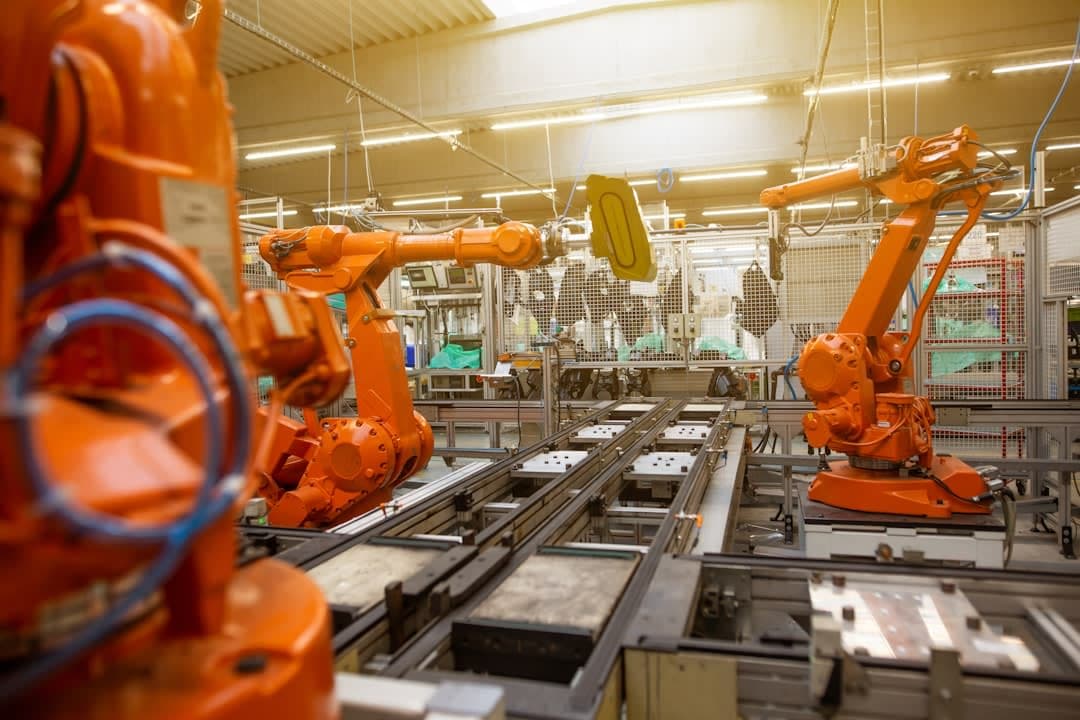
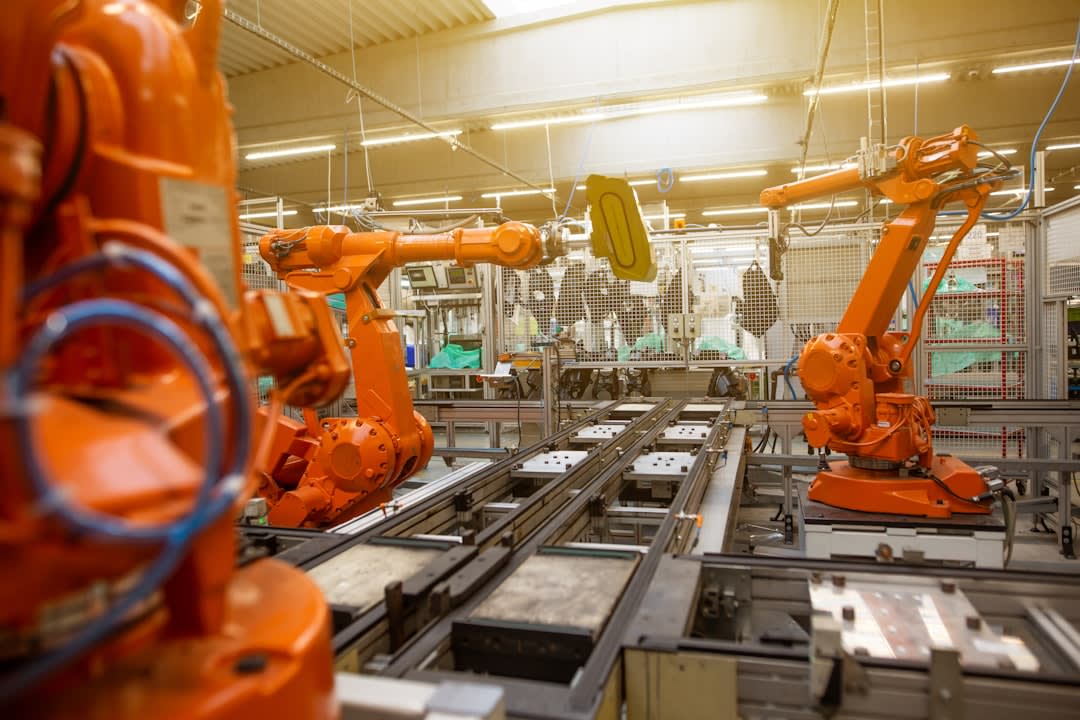
Industries such as manufacturing, finance, and healthcare have been at the forefront of automation adoption. For example, in manufacturing, robots are now commonplace on assembly lines, handling tasks with precision and consistency that surpass human capabilities. In finance, algorithms are used for trading and risk assessment, while in healthcare, automation aids in diagnosing diseases and managing patient care. According to McKinsey, up to 30% of activities in 60% of occupations could be automated with current technologies.
Yet, while automation enhances productivity, it also sparks concerns about job displacement. The World Economic Forum predicts that automation could displace 85 million jobs by 2025, but it also anticipates the creation of 97 million new roles more adapted to the new division of labor between humans, machines, and algorithms. This dual nature of automation as both a disruptor and creator of jobs underscores the need for a balanced perspective on its impact.
The Future of Work: Evolving Job Roles

The future of work is not about humans competing with machines but rather about humans collaborating with them. As automation takes over routine tasks, the demand for human skills shifts towards those that machines cannot easily replicate. These include critical thinking, creativity, emotional intelligence, and adaptability.
Consider the case of customer service. Automation through AI-powered chatbots can handle basic inquiries, allowing human agents to focus on more complex customer issues that require empathy and nuanced understanding. This transition not only improves efficiency but also enhances the quality of customer interactions. For instance, Voice AI agents are transforming business communications, enabling smarter and more personalized interactions.
Moreover, job roles are evolving to include more strategic and creative elements. In marketing, for example, automation can handle data analysis and campaign management, while human marketers focus on strategy development and creative content creation. This shift is evident in the rise of hybrid job roles that blend technical and soft skills, such as data analyst-storyteller or digital marketing strategist.
The key to thriving in the future work environment is continuous learning and skill development. As new technologies emerge, professionals must be proactive in acquiring new competencies and embracing lifelong learning. The ability to adapt to change and upskill will be crucial in maintaining job relevance and career growth.
Job Security in an Automated World

Job security is a significant concern for many professionals in the face of automation. The fear of redundancy looms large, especially in sectors heavily reliant on repetitive tasks. However, rather than viewing automation solely as a threat, it can be seen as an opportunity to enhance job security through skill enhancement and role evolution.
Employers play a pivotal role in this transition by investing in employee development and providing opportunities for upskilling and reskilling. According to the World Economic Forum's Future of Jobs Report, 94% of business leaders report that they expect employees to pick up new skills on the job, a significant increase from previous years.
Organizations can foster a culture of learning by offering training programs, workshops, and access to online learning platforms. For instance, companies like Amazon have launched initiatives such as the Amazon Technical Academy, which trains employees for software engineering roles. This not only prepares employees for new challenges but also aligns with the organization’s evolving needs.
On an individual level, professionals should focus on developing skills that complement automation. These include digital literacy, data analysis, and project management, among others. By embracing a mindset of adaptability and continuous learning, employees can secure their place in the workforce and even find new opportunities for advancement.
Harnessing Automation for Career Development

Automation is not just a challenge but also a powerful tool for career development. By leveraging automation technologies, professionals can enhance their efficiency and productivity, freeing up time to focus on higher-value tasks and strategic initiatives.
For example, automation tools in project management can streamline workflows, allowing project managers to allocate resources more effectively and focus on leadership and team dynamics. Similarly, in marketing, automation platforms can handle repetitive tasks such as email campaigns and social media management, enabling marketers to concentrate on creative strategy and customer engagement.
Additionally, automation facilitates access to data-driven insights, empowering professionals to make informed decisions. By integrating automation with analytics, employees can identify trends, measure performance, and optimize processes. This data-centric approach is critical in today's competitive landscape, where informed decision-making is a key driver of success.
To fully harness the benefits of automation, professionals should seek opportunities to integrate technology into their workflows and explore how it can augment their roles. This proactive approach will not only enhance individual performance but also position employees as valuable assets to their organizations.
Preparing for the Automated Workforce: Strategies for Employers

For employers, preparing for an automated workforce involves strategic planning and a commitment to fostering an adaptable organizational culture. As automation reshapes job roles, businesses must ensure that their workforce is equipped to navigate these changes effectively.
One key strategy is to invest in human-machine collaboration. By integrating automation technologies with human expertise, companies can create a synergistic work environment that leverages the strengths of both. For instance, in industries such as manufacturing and logistics, collaborative robots or "cobots" work alongside human workers, enhancing productivity and safety.
Moreover, employers should prioritize reskilling and upskilling initiatives. According to a report by PwC, 74% of CEOs are concerned about the availability of key skills, underscoring the importance of training programs that prepare employees for new roles. Companies like AT&T have committed to reskilling their workforce through initiatives such as their Workforce 2020 program, which aims to equip employees with future-ready skills.
To support these efforts, businesses should foster a culture of innovation and continuous improvement. Encouraging employees to experiment with new technologies and approaches can drive creativity and growth. Additionally, creating an inclusive environment that values diverse perspectives and ideas will be critical in navigating the complexities of an automated future.
Conclusion: Embracing Automation as a Path to Growth
Automation is undeniably reshaping the landscape of work, presenting both challenges and opportunities for professionals and organizations alike. By understanding the implications of automation and proactively adapting to its changes, career-driven individuals can navigate the future of work with confidence.
For employees, embracing lifelong learning and skill development will be key to maintaining job security and career advancement. Employers, on the other hand, must invest in their workforce and foster a culture of innovation and collaboration. By doing so, they can unlock the full potential of automation and drive sustainable growth.
Ultimately, the future of work is not about replacing humans with machines but about empowering humans to work alongside machines in new and meaningful ways. As we embrace this transformation, let us focus on the opportunities that automation brings for personal and professional growth.
Frequently Asked Questions
What is the impact of automation on job roles?
Automation impacts job roles by taking over routine and repetitive tasks, allowing humans to focus on more complex and creative functions. It creates opportunities for new roles that require a blend of technical and soft skills.
How can employees prepare for the future of work?
Employees can prepare by embracing continuous learning and developing skills that complement automation, such as digital literacy, critical thinking, and adaptability. Engaging in upskilling and reskilling initiatives is also beneficial.
What role do employers play in adapting to automation?
Employers play a critical role by investing in employee development, fostering a culture of collaboration, and integrating automation technologies with human expertise to drive productivity and innovation.
What are the benefits of automation for career development?
Automation enhances career development by increasing efficiency, enabling professionals to focus on strategic tasks, and providing data-driven insights for informed decision-making. It also opens up opportunities for new roles and skill enhancement.
Is job security at risk with the rise of automation?
While automation poses risks of job displacement, it also creates opportunities for new roles. Job security can be maintained through skill development, adaptability, and leveraging automation as a tool for personal and organizational growth.
How does automation affect job creation?
Automation affects job creation by eliminating certain roles while simultaneously creating new ones that require advanced skills. The net effect depends on how well the workforce adapts to these changes and embraces new opportunities.
What strategies can businesses use to integrate automation effectively?
Businesses can integrate automation by fostering human-machine collaboration, investing in reskilling initiatives, and creating a culture of innovation. This ensures a seamless transition and maximizes the benefits of automation.
Can automation enhance job satisfaction?
Yes, automation can enhance job satisfaction by reducing mundane tasks and allowing employees to engage in more fulfilling and strategic work. It also provides opportunities for skill development and career advancement.
Tags
Amzsoft Innovexa
Engineering and delivery notes from the Amzsoft Innovexa team — fintech platforms, AI automation, and product engineering.