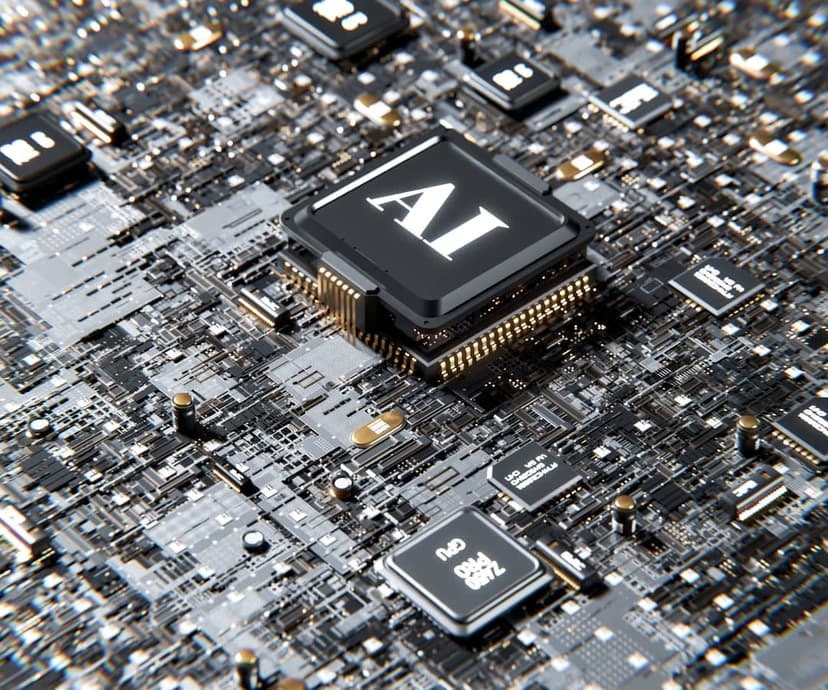
Japan's Landmark Ruling: AI Cannot Be Inventors

Japan recently made headlines with its ruling declaring that artificial intelligence cannot be recognized as inventors on patents. This decision is pivotal for tech startups and developers who depend on AI-driven innovation. But what does this mean for the future of innovation?
As AI evolves, so does its role in creating new technologies. However, this ruling raises questions about ownership and recognition of AI-driven inventions. To understand the full implications, we must examine the broader landscape of AI patent rulings and how they influence the tech industry.
Implications for Technology Startups

For startups, intellectual property (IP) is often their most valuable asset. The inability to list AI as an inventor might seem like a setback, but it opens new avenues for human inventors. Startups must now navigate this landscape legally, ensuring that human creativity remains at the forefront.
- Human inventors must file patents, even if AI plays a critical role.
- This could foster more collaborative approaches between developers and AI systems.
- Startups may need to invest more in human resources to align inventions with patent laws.
Moreover, this ruling could impact how startups approach AI innovation. For example, transformative AI tools still require human oversight to ensure compliance with patent regulations.
Challenges for Developers and Innovators
Developers are at the heart of AI innovation. This ruling challenges them to rethink how they integrate AI into their work. If AI can't be credited as an inventor, developers need to ensure their contributions are clear and well-documented.
- Maintaining detailed records of contributions versus AI's role is essential.
- Understanding patent law becomes as crucial as technical skills.
- Collaboration with legal experts may become standard practice.
For those involved in projects like AI-driven game development, this means ensuring that human creativity is both highlighted and protected.
The Future of AI Innovation
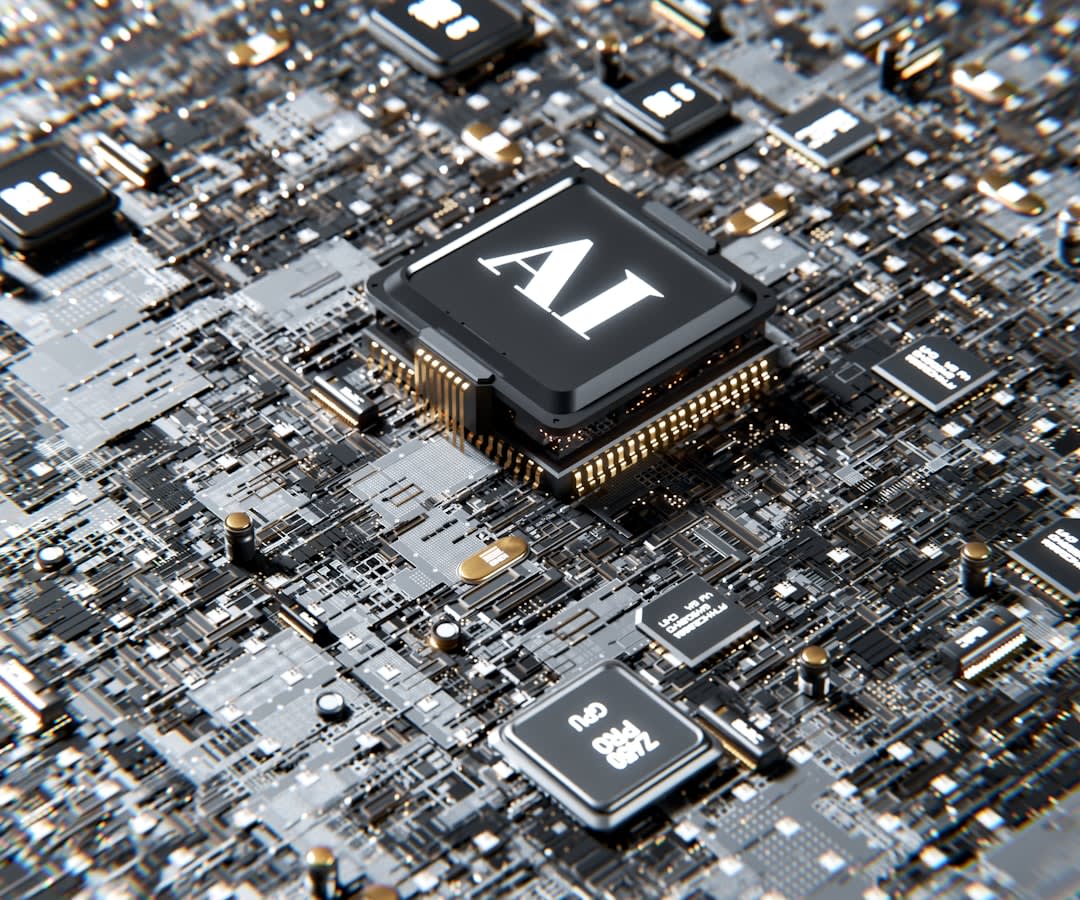
Despite potential hurdles, the ruling doesn't dampen the overall trajectory of AI innovation. Instead, it emphasizes the need for a human touch in the creative process. As AI continues to revolutionize industries, the role of human inventors becomes even more critical.
- AI will remain a tool that enhances human ingenuity.
- Startups may focus on using AI for simulation and optimization rather than sole invention.
- Legal frameworks around AI and IP will likely evolve to accommodate rapid technological advancements.
Interestingly, companies like MarketFish are using AI for customer behavior simulations, showcasing how AI can be leveraged without claiming inventorship.
Conclusion
Japan's ruling serves as a reminder that while AI can create, it cannot yet invent legally. For startups and developers, this means staying agile and informed about the evolving landscape of patent law. By balancing AI's capabilities with human oversight, the tech industry can continue to innovate responsibly and legally.
FAQ
- Why can't AI be listed as an inventor on patents?
The legal definition of an inventor requires human involvement, which AI does not fulfill according to Japan's ruling.
- How does this ruling affect technology startups?
Startups must ensure human inventors are recognized in patent applications, potentially altering their approach to AI-driven projects.
- What should developers do to protect their innovations?
Developers should maintain comprehensive documentation of their work and collaborate with legal experts to navigate patent laws.
- Will this ruling limit AI innovation?
Not necessarily. It emphasizes the need for human involvement in the inventive process, potentially leading to more collaborative innovations.
- How is the AI industry reacting to this ruling?
Many in the industry see it as an opportunity to redefine the role of AI in innovation, focusing on enhancing rather than replacing human creativity.
- What are the global implications of Japan's ruling?
This ruling may influence other countries to reevaluate their patent laws concerning AI and human inventorship.
- How can startups leverage AI without infringing patent laws?
Startups should focus on using AI for augmentation and support, ensuring that human inventors are the ones officially recognized.
- Are there any benefits to this ruling for developers?
Yes, it encourages developers to take a more active role in the inventive process, potentially leading to greater recognition and protection of their work.
- Could AI eventually be recognized as inventors?
Future legal developments might change the current stance, but this would require significant shifts in how patent laws are interpreted.
Tags
Amzsoft Innovexa
Engineering and delivery notes from the Amzsoft Innovexa team — fintech platforms, AI automation, and product engineering.