Navigating Payments: Dollars and Rupees Without Stripe
In the dynamic world of entrepreneurship, optimizing payment processes is crucial for success. While Stripe is a popular choice for payment processing, it's not the only option available. For businesses looking to tap into different markets and streamline their transactions, exploring alternatives like PayPal and UPI can offer a wealth of opportunities. This article dives deep into these alternatives, providing insights and practical applications for entrepreneurs aiming to enhance their payment strategies.
Understanding the Landscape: Why Look Beyond Stripe?

Stripe has been a go-to solution for many startups and established businesses due to its robust API, ease of integration, and extensive support for various currencies. However, there are compelling reasons to explore other payment solutions. One significant factor is the regional limitation; for instance, Stripe's availability is restricted in certain countries, which can be a barrier for businesses aiming for global outreach.
Moreover, transaction fees can be a concern, especially for small businesses operating on thin margins. Stripe charges a processing fee that can add up quickly, impacting profitability. In contrast, solutions like PayPal offer competitive rates with additional benefits such as buyer protection and robust fraud detection mechanisms.
Another consideration is the technological ecosystem. As businesses evolve, they often require customized solutions that may not align perfectly with what Stripe offers. Exploring alternatives can yield more flexible and tailored solutions that better fit specific business needs.
Finally, diversifying payment methods can enhance customer satisfaction. By offering multiple payment options, businesses can cater to a broader audience, reducing cart abandonment rates and boosting conversion. This is particularly important in e-commerce, where seamless payment processes are directly linked to customer retention and satisfaction.
Exploring PayPal: A Veteran in Payment Solutions

PayPal is one of the most widely recognized payment processors globally. It has a long-standing reputation for security and ease of use, making it a trusted choice for both consumers and businesses. Understanding its features can help businesses leverage its full potential.
PayPal offers a range of services, from basic payment processing to more advanced solutions like PayPal Here, which allows businesses to accept payments in person. This versatility makes it suitable for both online and offline transactions, providing a comprehensive solution for businesses with diverse needs.
One of PayPal's standout features is its ability to handle international transactions seamlessly. With support for over 100 currencies and operations in more than 200 countries, PayPal is an excellent choice for businesses looking to expand their international reach. The platform's extensive network can help businesses overcome the complexities of cross-border transactions.
Furthermore, PayPal's integration capabilities are robust, allowing businesses to incorporate it into existing systems with minimal hassle. Whether you're using an e-commerce platform like Shopify or a custom-built website, PayPal can be easily integrated to enhance your payment processing capabilities.
Despite these advantages, it's important to consider potential drawbacks. PayPal's fees can be higher for certain transactions, and its policies regarding account holds and limitations have been a point of contention for some users. Businesses should weigh these factors carefully when considering PayPal as a primary payment solution.
Unified Payments Interface (UPI): Revolutionizing Payments in India

The Unified Payments Interface (UPI) has transformed the payment landscape in India, offering a real-time payment system that facilitates seamless transactions between banks. As an entrepreneur, understanding UPI's capabilities can open doors to one of the world's largest markets.
UPI allows users to link multiple bank accounts to a single mobile application, merging several banking features into one platform. This integration simplifies the user experience, making it easier for customers to transact without the need for multiple apps or complex procedures.
One of UPI's most significant advantages is its cost-effectiveness. Unlike traditional payment processors, UPI transactions typically incur no charges, making it an attractive option for businesses operating on tight budgets. Furthermore, the system's interoperability ensures that transactions can occur between different banks seamlessly.
Security is another cornerstone of UPI's appeal. The system uses a two-factor authentication process, ensuring that transactions are secure and reducing the risk of fraud. This focus on security, combined with UPI's ease of use, has driven its widespread adoption across India.
For international businesses looking to enter the Indian market, integrating UPI can provide a competitive edge. By offering a payment method that millions of Indians trust and use daily, businesses can boost their appeal and potentially increase their market share.
However, integrating UPI may require collaboration with local banking partners and adherence to regulatory requirements, which can be a hurdle for some businesses. Nonetheless, the potential rewards make it a worthwhile consideration for any entrepreneur targeting the Indian market.
Real-World Examples: Businesses Benefiting from Alternative Payment Solutions

To truly understand the impact of diversifying payment solutions, it's helpful to look at real-world examples of businesses that have successfully implemented alternatives to Stripe. These case studies illustrate how strategic payment processing choices can drive growth and enhance customer experiences.
Case Study 1: A Global E-Commerce Platform
An e-commerce platform specializing in handmade crafts expanded its payment options by integrating PayPal alongside its existing Stripe setup. This move allowed the company to tap into PayPal's extensive user base, increasing its international sales by 25% within six months. By offering a trusted payment method, the platform reduced cart abandonment rates and enhanced customer trust.
Case Study 2: A Fintech Startup in India
A fintech startup targeting the Indian market leveraged UPI to streamline its payment processes. By adopting UPI, the startup reduced transaction costs significantly, allowing it to offer competitive pricing to its users. This strategic decision helped the company grow its user base by 40% in just one year, demonstrating the power of local payment solutions.
Case Study 3: An International SaaS Provider
An international SaaS provider faced challenges with Stripe's regional limitations. By incorporating PayPal and UPI into its payment system, the provider overcame these barriers and expanded its services to new markets. This diversification not only increased revenue but also provided a buffer against potential disruptions in any single payment channel.
Navigating the Challenges: Practical Tips for Entrepreneurs

While integrating alternative payment solutions can offer numerous benefits, it also presents challenges that entrepreneurs must navigate. Here are some practical tips to help businesses make the most of their payment processing strategies.
Understand Your Market
Before implementing a new payment solution, conduct thorough market research. Understand the payment preferences of your target audience and ensure that the solutions you choose align with these preferences. This alignment is crucial for maximizing adoption and satisfaction.
Evaluate Costs
Consider the costs associated with each payment solution. While some may offer lower transaction fees, others might require higher setup or maintenance costs. Evaluate these factors in the context of your overall business model to ensure that the solution is financially viable.
Prioritize Security
Security should be a top priority when selecting a payment processor. Ensure that the solutions you choose comply with industry standards and provide robust protection against fraud and data breaches. This focus on security not only protects your business but also builds customer trust.
Leverage Technology
Use technology to streamline the integration process. Many payment solutions offer APIs and plugins that make it easier to incorporate them into existing systems. Take advantage of these tools to reduce the time and effort required for implementation.
By carefully considering these factors, entrepreneurs can implement payment solutions that enhance their business operations and drive growth.
The Future of Payment Processing: Trends to Watch
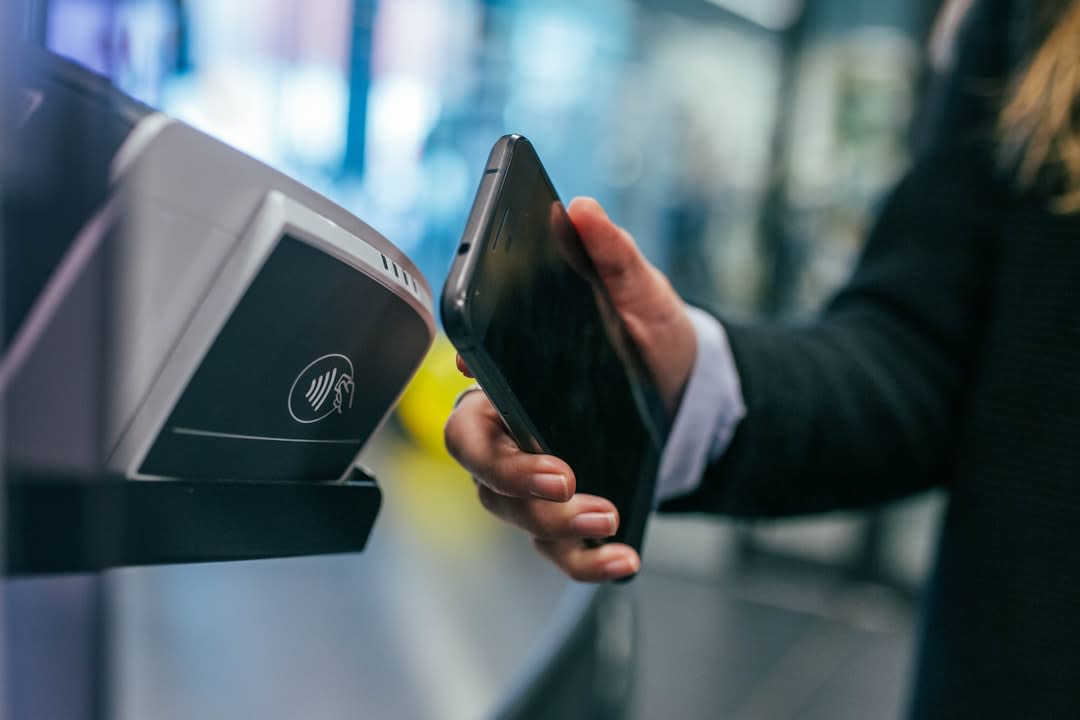
The payment processing landscape is constantly evolving, driven by technological advances and changing consumer preferences. Staying ahead of these trends can provide businesses with a competitive edge. Here are some key trends to watch in the coming years.
Rise of Digital Wallets
Digital wallets are becoming increasingly popular, offering a convenient and secure way for consumers to manage their finances. As more people adopt digital wallets, businesses should consider integrating them into their payment systems to cater to this growing audience.
Blockchain Technology
Blockchain technology is poised to revolutionize payment processing by offering secure, transparent, and decentralized transactions. While still in its early stages, blockchain has the potential to reduce costs and increase transaction speeds, making it an attractive option for businesses.
AI and Machine Learning
AI and machine learning are being used to enhance fraud detection and personalize customer experiences. These technologies can help businesses identify suspicious activity and tailor their offerings to individual customer preferences, improving both security and satisfaction.
For more insights on how AI is shaping the future, check out our article on AI trends in cybersecurity.
Staying informed about these trends and incorporating them into your payment strategy can position your business for success in an increasingly competitive market.
FAQs: Common Questions About Payment Solutions
As entrepreneurs explore alternative payment solutions, they often have questions about the best strategies and practices. Here are some frequently asked questions and detailed answers to help guide your decision-making process.
Q1: What is the main advantage of using PayPal over Stripe?
A1: PayPal's primary advantage is its global reach and familiarity among consumers. It is widely accepted in over 200 countries, making it an excellent choice for businesses looking to expand internationally. Additionally, PayPal offers robust buyer protection, enhancing customer trust.
Q2: How does UPI differ from traditional payment methods?
A2: UPI allows for real-time bank-to-bank transfers using a mobile device, eliminating the need for account details or IFSC codes. This simplicity and speed, combined with zero transaction fees, make UPI a popular choice in India.
Q3: Are there any downsides to using PayPal?
A3: While PayPal is convenient, it can be more expensive for certain transactions due to its fees. Additionally, PayPal's policies on account holds can be challenging for some businesses, potentially impacting cash flow.
Q4: Can international businesses use UPI?
A4: International businesses can use UPI by partnering with local Indian banks or payment service providers. However, they must comply with Indian regulatory requirements, which can add complexity to the integration process.
Q5: How can businesses ensure the security of their payment processing systems?
A5: Businesses should choose payment processors that comply with industry security standards, such as PCI DSS. Regular security audits and updates, as well as customer education on secure payment practices, are also essential.
Q6: What role does customer preference play in choosing a payment solution?
A6: Customer preference is critical in selecting payment solutions. Offering payment methods that your target audience prefers can increase satisfaction and conversion rates, directly impacting business success.
For more strategies on customer engagement, explore our guide on cold email success.
Conclusion
In today's competitive marketplace, diversifying payment solutions is not just a strategic advantage; it's a necessity. By exploring options beyond Stripe, such as PayPal and UPI, entrepreneurs can unlock new opportunities, enhance customer satisfaction, and drive business growth. The key is to understand the unique benefits and challenges of each solution and to align them with your business goals and market needs. As you navigate this complex landscape, stay informed about industry trends and continuously adapt your strategies to ensure long-term success.
Tags
Amzsoft Innovexa
Engineering and delivery notes from the Amzsoft Innovexa team — fintech platforms, AI automation, and product engineering.