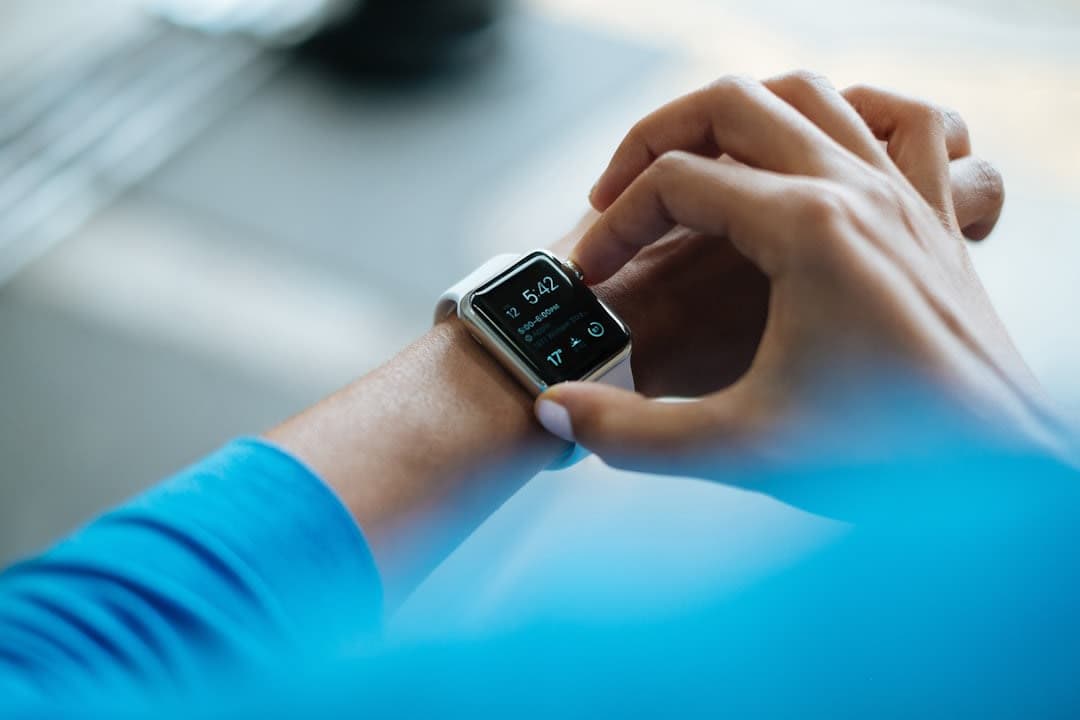
FDA Authorizes First Wearable for Blood Sugar Monitoring: A Revolution in Diabetes Management
The landscape of diabetes management is on the brink of a remarkable transformation, thanks to the recent authorization by the FDA of the first-ever wearable device designed for the real-time monitoring of blood sugar and ketone levels. This groundbreaking technology not only presents a significant leap in healthcare innovation but also offers a glimpse into the future of personal health tracking. For tech professionals, software developers, and IT decision-makers, this development opens a plethora of opportunities to delve into wearable technology and its applications in healthcare.
In this comprehensive article, we'll explore every facet of this revolutionary device. From its technological underpinnings to its potential to transform diabetes management, and even its implications for the broader tech landscape. Whether you're a developer interested in the tech stack behind these devices or a healthcare professional keen on understanding its impact on patient care, this guide is for you.
Understanding the Technology Behind Wearable Blood Sugar Monitors
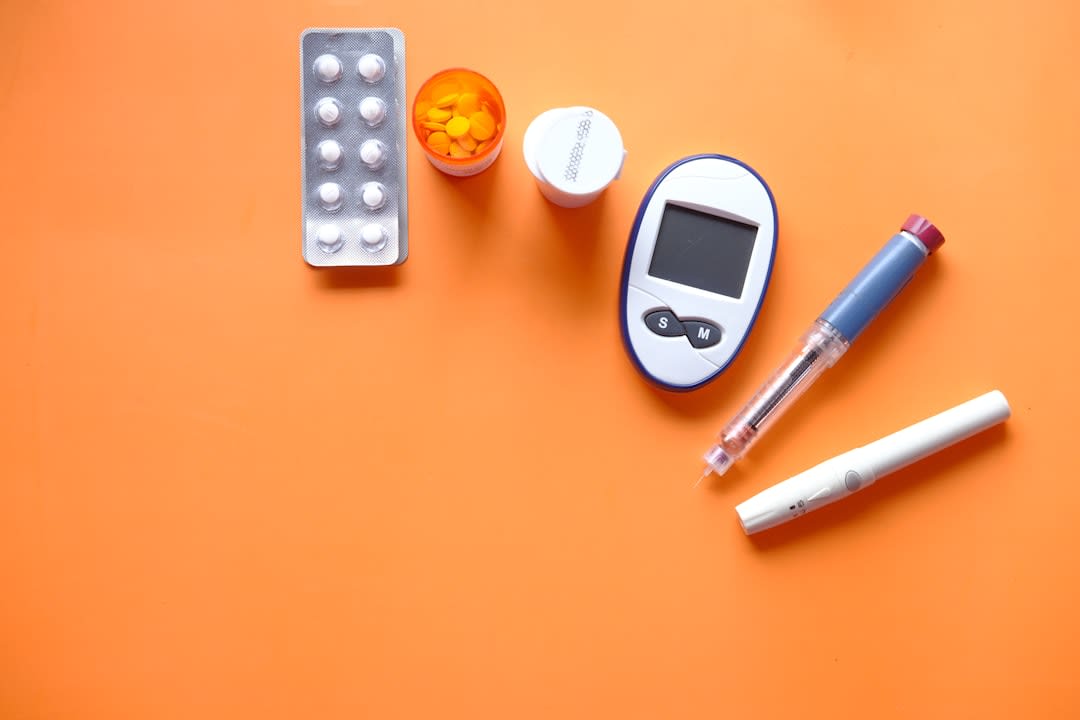
The FDA-authorized wearable device for blood sugar monitoring is a triumph of modern engineering and medical science. At its core, the device utilizes a combination of biosensors and advanced data analytics to provide real-time insights into the user's blood sugar and ketone levels. The biosensors are meticulously designed to interact with interstitial fluid, the fluid found between cells, which correlates closely with blood glucose levels.
The technology operates on principles similar to those in continuous glucose monitoring (CGM) systems, but with enhanced capabilities to measure ketones. This dual-functionality is crucial, especially for individuals managing diabetes, as ketone levels are an important indicator of metabolic state and potential ketoacidosis risk. The use of biocompatible materials ensures that the sensors are safe for prolonged skin contact, which is essential for continuous monitoring.
From a technical perspective, the device integrates IoT capabilities, allowing seamless data transmission to smartphones or cloud-based platforms. This connectivity enables users to monitor their health metrics through dedicated apps, offering both historical data and predictive insights. The utilization of machine learning algorithms to analyze data patterns further enhances the device's ability to provide personalized health recommendations.
For developers, the opportunity to contribute to the ecosystem surrounding this device is immense. From developing companion applications that offer intuitive interfaces to creating secure cloud environments for data storage and analysis, the possibilities are vast. Furthermore, the integration of AI could lead to the development of predictive tools that can anticipate fluctuations in glucose levels, providing users with actionable insights.
The Impact of FDA Authorization on Healthcare Innovation

The FDA's authorization of this wearable device marks a significant milestone in healthcare innovation. This regulatory approval not only validates the device's safety and efficacy but also sets a precedent for future innovations in the field of wearable health technology. The rigorous evaluation process that the device underwent ensures that it meets the highest standards of reliability and accuracy, which is crucial for devices that impact patient health.
This authorization is likely to have a ripple effect across the healthcare industry. By setting a benchmark for wearable technology in diabetes management, it encourages other innovators to push the boundaries of what's possible. It also signals to investors that there is a regulatory path forward for high-tech medical devices, potentially leading to increased investment and interest in the sector.
Moreover, the FDA’s decision may influence international regulatory bodies, encouraging a more harmonized approach to the approval of wearable medical technologies. This is particularly important as the global market for wearables continues to expand, necessitating frameworks that accommodate rapid technological advancements while safeguarding public health.
Healthcare providers stand to benefit significantly from this innovation. The ability to access real-time data on a patient’s metabolic state can inform more precise treatment plans and allow for proactive management of diabetes-related complications. For patients, the device offers a more holistic view of their health, empowering them to make informed decisions about their lifestyle and treatment options.
For tech professionals and IT decision-makers, this development presents an opportunity to engage with a burgeoning market. Collaborations between tech companies and healthcare providers can lead to the creation of integrated systems that enhance patient care and streamline data management processes. As the healthcare industry increasingly adopts digital solutions, expertise in data security, interoperability, and analytics will be highly sought after.
Real-world Applications and Case Studies in Diabetes Management
To truly understand the impact of this wearable technology, let’s explore some real-world applications and case studies in diabetes management. These examples illustrate how continuous monitoring can revolutionize patient care and management strategies.
Consider a case study involving a patient with type 1 diabetes who previously relied on periodic blood tests to manage their condition. Transitioning to the FDA-authorized wearable device, this patient was able to continuously monitor their glucose and ketone levels, receiving alerts when their levels approached critical thresholds. This immediate feedback allowed for timely interventions, such as adjusting insulin doses or modifying dietary intake. As a result, the patient experienced fewer episodes of hyperglycemia and hypoglycemia, improving their overall quality of life.
Another application of this technology can be seen in the management of gestational diabetes. Pregnant individuals diagnosed with this condition face unique challenges, as fluctuations in blood sugar can affect both maternal and fetal health. The wearable device provides expectant mothers with real-time insights into their glucose levels, facilitating better dietary and medication adherence. Healthcare providers can access this data remotely, allowing for more personalized care without the need for frequent in-person appointments.
In the broader context, the integration of such devices into telehealth platforms can enhance the management of diabetes in rural or underserved areas. By leveraging wearable technology, healthcare providers can extend their reach, offering virtual consultations and real-time monitoring to patients who may otherwise lack access to specialized care. This democratization of healthcare services is a testament to the transformative potential of wearable devices.
Furthermore, the data collected from these devices can contribute to large-scale studies and research on diabetes management. Researchers can analyze anonymized data sets to identify trends and correlations that may not be evident in smaller cohorts, advancing the understanding of diabetes and its complications.
The Role of Software Developers and IT Professionals in Wearable Tech

The advent of wearable technology in healthcare presents a unique opportunity for software developers and IT professionals to play a pivotal role in its evolution. Developing robust, user-friendly applications that interface with wearable devices is crucial for ensuring a seamless user experience. These applications must not only display real-time data accurately but also provide actionable insights based on complex algorithms and user-specific parameters.
Security is a paramount concern in the development of these applications. With sensitive health data being continuously transmitted and stored, developers must implement stringent security measures to protect against data breaches and unauthorized access. Encryption, secure APIs, and compliance with regulations such as the Health Insurance Portability and Accountability Act (HIPAA) are essential components of a secure development strategy.
Interoperability is another critical consideration. As wearable devices become more prevalent, the ability to integrate with existing healthcare systems and electronic health records (EHRs) becomes increasingly important. Developers must focus on creating solutions that are compatible with various platforms and standards, facilitating seamless data exchange and improving the efficiency of healthcare delivery.
The use of artificial intelligence and machine learning in wearable technology also presents exciting possibilities. By analyzing patterns and predicting trends, these technologies can provide users with personalized recommendations and alerts. For example, an AI-driven application could notify a user of potential glucose spikes based on their activity patterns and dietary habits, allowing for preemptive actions to mitigate adverse outcomes.
The role of IT professionals extends beyond development to include infrastructure management and support. Ensuring that wearable devices and their associated applications are supported by reliable cloud services, robust network infrastructures, and responsive customer support systems is essential for their successful deployment and adoption.
Future Prospects: The Intersection of Wearable Tech and AI

The intersection of wearable technology and artificial intelligence (AI) represents the next frontier in healthcare innovation. As AI continues to evolve, its integration with wearables could unlock unprecedented capabilities in health monitoring and management.
One promising application is predictive analytics, where AI algorithms analyze historical data to forecast future health events. For individuals with diabetes, this could mean predicting blood sugar fluctuations based on past trends, dietary intake, and activity levels. Such insights would empower users to make proactive decisions, improving their overall health outcomes.
Moreover, AI can enhance the personalization of healthcare. By learning from individual user data, AI systems can tailor recommendations to suit specific needs and preferences. This level of personalization is particularly beneficial in managing chronic conditions like diabetes, where treatment plans often need to be adjusted based on real-time data and individual responses.
Wearable devices equipped with AI could also facilitate more efficient healthcare delivery. For instance, AI-driven analytics could help healthcare providers identify patients at risk of complications, enabling early interventions and reducing the burden on healthcare systems. This proactive approach aligns with the broader shift towards value-based care, where the focus is on improving patient outcomes and reducing costs.
As the line between consumer technology and medical devices continues to blur, regulatory frameworks will need to adapt to accommodate these innovations. The FDA's recent authorization is a step in the right direction, but ongoing collaboration between regulators, tech companies, and healthcare providers will be essential to ensure that wearable technology can reach its full potential in enhancing patient care.
For tech professionals, the fusion of AI and wearable technology offers a wealth of opportunities to innovate and contribute to the future of healthcare. From developing new algorithms to designing intuitive interfaces, the potential for impact is immense.
FAQs
-
What makes this wearable device different from existing glucose monitors?
This FDA-authorized device provides real-time monitoring of both blood sugar and ketone levels, offering a more comprehensive view of metabolic health compared to traditional glucose monitors.
-
How does the device ensure data security?
Data security is maintained through encryption, secure APIs, and compliance with standards like HIPAA, ensuring that sensitive health information is protected from unauthorized access.
-
Can this technology be integrated with other healthcare systems?
Yes, the device is designed to be interoperable with various platforms and electronic health records, facilitating seamless data exchange and integration with existing healthcare systems.
-
What role do AI and machine learning play in this technology?
AI and machine learning enhance the device's capabilities by analyzing data patterns, providing predictive insights, and personalizing health recommendations based on user-specific data.
-
How does the FDA authorization impact the wearable tech market?
The FDA's authorization sets a precedent for future innovations, encouraging investment and development in the wearable tech market and establishing a benchmark for safety and efficacy.
-
What potential does this technology have for remote healthcare?
Wearable technology can significantly enhance remote healthcare by providing continuous monitoring and facilitating virtual consultations, especially in underserved areas.
-
How can developers contribute to the growth of this technology?
Developers can contribute by creating secure applications, enhancing interoperability, and leveraging AI to provide personalized health insights, thereby expanding the functionality and reach of wearable devices.
As we stand at the cusp of a new era in healthcare, the FDA's authorization of the first wearable device for blood sugar and ketone monitoring is a testament to the transformative power of technology. This innovation not only offers new avenues for diabetes management but also underscores the vital role that tech professionals and software developers play in shaping the future of personal health tracking. By embracing these opportunities, we can pave the way for a more connected, informed, and healthier future.
Tags
Amzsoft Innovexa
Engineering and delivery notes from the Amzsoft Innovexa team — fintech platforms, AI automation, and product engineering.