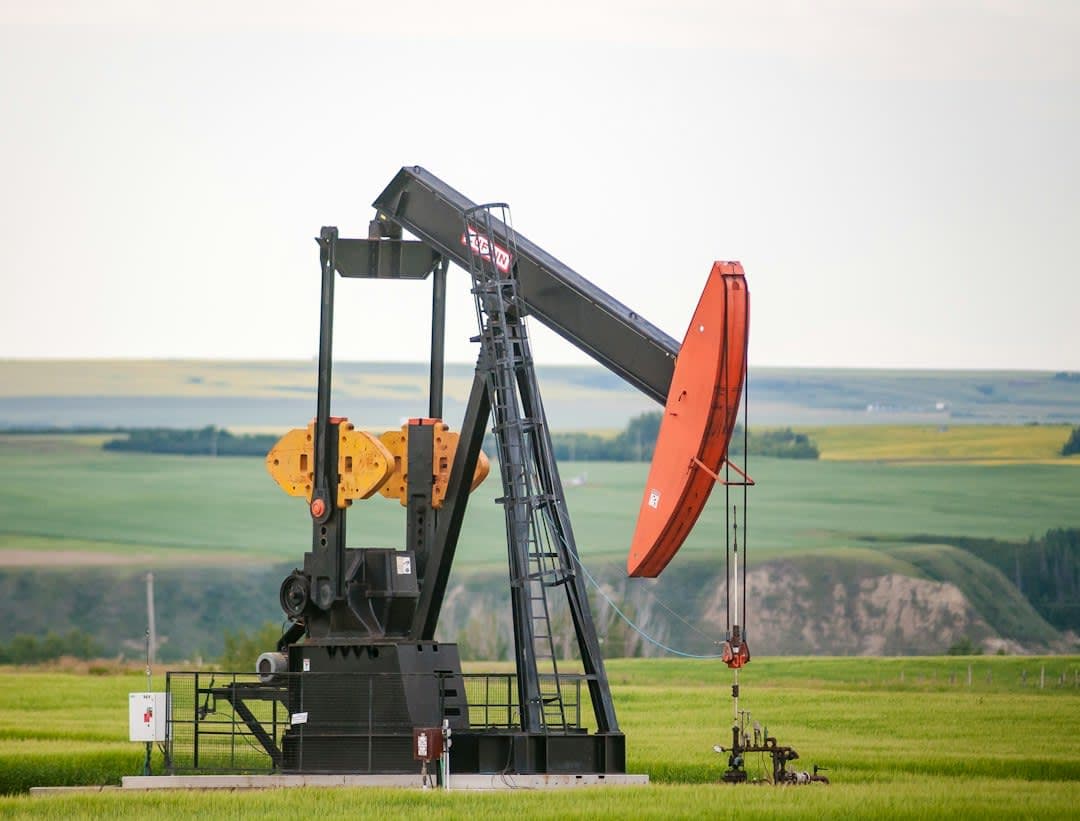
The Engineering Behind the US Strategic Petroleum Reserve
The United States Strategic Petroleum Reserve (SPR) is a critical component of the nation's energy security strategy. Established in the 1970s in response to oil supply disruptions, the SPR is designed to provide a buffer against energy crises by maintaining a large stockpile of crude oil. This initiative not only underscores the importance of energy management but also highlights the intricate technological and strategic complexities involved in managing one of the world's largest emergency oil supplies. For entrepreneurs, startup founders, and business owners, understanding the SPR's operation can offer valuable insights into strategic resource management and infrastructure technology.
The Historical Context and Strategic Importance of the SPR

The inception of the SPR dates back to the 1973-74 oil embargo, which exposed the vulnerabilities of oil-dependent economies. The embargo, led by the Organization of Arab Petroleum Exporting Countries (OAPEC), resulted in significant economic turmoil in the U.S., highlighting the need for a more resilient energy strategy. The Energy Policy and Conservation Act of 1975 authorized the establishment of the SPR to mitigate the effects of future disruptions.
Strategically, the SPR serves multiple purposes. It acts as a deterrent against economic coercion by foreign oil producers and provides the government with a tool to stabilize oil markets during supply disruptions. For business leaders, the SPR is a testament to the importance of risk management and strategic reserves in business operations. By maintaining a reserve, companies can buffer against market volatility, much like the SPR helps stabilize the national economy.
In practice, the SPR has been used several times to alleviate oil shortages. Notably, during the Persian Gulf War in 1991 and following Hurricane Katrina in 2005, the SPR's release of oil helped stabilize markets and prevent economic downturns. These instances exemplify how strategic reserves can serve as a vital tool in crisis management, offering lessons for businesses in preparing for unforeseen disruptions.
Engineering and Infrastructure of the SPR

The physical infrastructure of the SPR is a marvel of engineering. The reserve consists of large underground salt caverns, which provide a secure and cost-effective method for storing crude oil. These caverns are located in Texas and Louisiana, chosen for their proximity to major refineries and shipping lanes.
Salt caverns are ideal for oil storage due to their impermeability and structural integrity. Created by drilling into salt formations and injecting water to dissolve the salt, these caverns can hold vast quantities of oil. The SPR's capacity exceeds 700 million barrels, making it the largest government-owned emergency oil stockpile in the world.
Maintaining these caverns involves sophisticated technology and rigorous engineering practices. Engineers monitor the pressure and temperature within the caverns to ensure the oil remains stable. Regular maintenance and inspection are crucial to prevent leaks and structural failures. For businesses, the SPR's infrastructure highlights the importance of investing in robust and reliable storage solutions, which can be critical for ensuring operational continuity.
Advanced Monitoring Systems
Advanced monitoring systems are employed to track the condition of the caverns and the stored oil. Sensors and data analytics provide real-time information on the structural health of the caverns, enabling proactive maintenance. This approach is akin to modern business practices where data-driven decision-making helps optimize operations and prevent costly downtimes.
Technological Innovations in SPR Management

Over the years, the management of the SPR has incorporated various technological innovations to enhance efficiency and security. The integration of digital technologies and automation has streamlined operations, reduced costs, and improved response times during emergencies.
One such innovation is the use of predictive analytics to forecast demand and optimize the release of oil. By analyzing market trends and historical data, the Department of Energy can make informed decisions about when and how much oil to release. This predictive capability mirrors business strategies that leverage data analytics to anticipate market needs and adjust operations accordingly.
In addition, the SPR employs advanced security systems to protect against cyber threats and physical intrusions. Given the critical nature of the reserve, safeguarding its infrastructure is paramount. Businesses can draw parallels from the SPR's security measures to protect their own critical assets and data from potential threats.
Automation and Efficiency
Automation plays a significant role in the SPR's operations. Automated systems manage the flow of oil, from storage to distribution, minimizing human error and enhancing efficiency. This use of automation reflects broader industry trends, where businesses are increasingly adopting AI and machine learning to automate routine tasks and improve operational efficiency. For instance, exploring AI Social Media Marketing can help businesses leverage automation to enhance their marketing efforts.
Economic and Environmental Considerations

The operation of the SPR is not without its economic and environmental challenges. The cost of maintaining the reserve is significant, involving expenses related to infrastructure upkeep, security, and operational management. However, these costs are justified by the economic stability the SPR provides during oil supply disruptions.
From an environmental perspective, the SPR must adhere to strict regulations to minimize its ecological impact. The extraction of oil from salt caverns and its subsequent transportation must be managed carefully to prevent environmental contamination. This focus on sustainability is increasingly relevant for businesses today, as consumers and regulators demand more environmentally responsible practices.
By prioritizing sustainability, companies can enhance their brand reputation and align with consumer values. This approach is similar to strategies discussed in The Hidden Dangers of Dodgy Google Ads, where trust and brand impact are critical factors in business success.
Cost-Benefit Analysis
Conducting a cost-benefit analysis is essential for evaluating the SPR's long-term viability. While the initial investment and ongoing expenses are substantial, the potential economic benefits in mitigating oil crises are significant. This analysis can be applied to business decisions, where evaluating the return on investment is crucial for strategic planning and resource allocation.
Strategic Implications for Business Leaders

The management of the SPR offers several strategic lessons for business leaders. The reserve exemplifies the importance of long-term planning, resource management, and risk mitigation. By maintaining a strategic reserve, the U.S. government demonstrates foresight in preparing for future uncertainties—a principle that can be applied to business strategy.
Entrepreneurs can learn from the SPR's approach to infrastructure investment and technological innovation. Investing in robust infrastructure and leveraging cutting-edge technology can provide businesses with a competitive edge, much like the SPR ensures national energy security.
Moreover, the SPR's reliance on data analytics and predictive modeling highlights the value of data-driven decision-making. Businesses that harness data to forecast trends and optimize operations can improve efficiency and adapt to changing market demands. This strategy is similar to how Machine Learning Agents use data to improve accuracy and avoid overfitting.
Building Resilience
Building resilience is a core aspect of the SPR's strategy. By preparing for potential crises, the reserve enhances national security and economic stability. Businesses can adopt a similar mindset by developing contingency plans and diversifying resources to weather market fluctuations and unforeseen challenges.
Conclusion: Lessons from the SPR for Sustainable Business Strategies
The U.S. Strategic Petroleum Reserve is a remarkable example of strategic resource management and technological innovation. Its engineering complexity and strategic significance offer valuable insights for business leaders seeking to enhance their operations and resilience. By understanding the SPR's approach to infrastructure, technology, and risk management, entrepreneurs can develop sustainable business strategies that prioritize long-term success and stability.
For startups and established businesses alike, the SPR highlights the importance of investing in robust infrastructure, leveraging technology for efficiency, and maintaining strategic reserves to mitigate risks. As the global business landscape becomes increasingly complex, these lessons from the SPR can guide companies in navigating challenges and seizing opportunities for growth.
FAQ
What is the primary purpose of the US Strategic Petroleum Reserve?
The primary purpose of the US Strategic Petroleum Reserve is to provide a buffer against disruptions in the oil supply, ensuring national energy security and economic stability during crises.
How does the SPR store crude oil?
The SPR stores crude oil in large underground salt caverns located in Texas and Louisiana. These caverns are created by dissolving salt formations and are ideal for secure and cost-effective oil storage.
What technologies are used in the management of the SPR?
The SPR utilizes advanced technologies such as predictive analytics, automation, and security systems to enhance efficiency, optimize operations, and protect against cyber and physical threats.
How does the SPR impact the US economy?
The SPR plays a critical role in stabilizing the US economy by providing a strategic reserve of oil that can be released during supply disruptions, mitigating the impact of price spikes and shortages.
What can businesses learn from the SPR's management?
Businesses can learn the importance of strategic planning, infrastructure investment, and risk management from the SPR. These practices are essential for building resilience and ensuring long-term success.
How does the SPR address environmental concerns?
The SPR adheres to strict environmental regulations to minimize its ecological impact, focusing on sustainable practices in oil extraction, storage, and transportation.
What is the economic cost of maintaining the SPR?
Maintaining the SPR involves significant costs related to infrastructure, security, and operations. However, these costs are justified by the reserve's role in ensuring economic stability during crises.
Tags
Amzsoft Innovexa
Engineering and delivery notes from the Amzsoft Innovexa team — fintech platforms, AI automation, and product engineering.