
How Tech is Revolutionizing Antidepressant Withdrawal Management
In the evolving landscape of mental health management, one of the pressing challenges facing healthcare professionals is managing antidepressant withdrawal. With millions of people worldwide relying on antidepressants, the withdrawal process can be a daunting experience for both patients and doctors. However, recent advancements in medical technology are offering innovative solutions to ease this transition. This article delves deep into how these technological advancements are being leveraged to support healthcare providers in managing withdrawal symptoms effectively.
The Complex Nature of Antidepressant Withdrawal

Antidepressant withdrawal, often referred to as discontinuation syndrome, occurs when a person stops taking their antidepressant medication. The symptoms can range from mild to severe and may include dizziness, insomnia, nausea, headaches, and mood swings. Understanding the complexity of these symptoms is crucial for effective management. The withdrawal process is not just a physical challenge; it also involves a significant psychological component. Patients often report feelings of anxiety, depression, and irritability, which can exacerbate their mental health condition.
One real-world example is the case of Sarah, who had been on antidepressants for over five years. When she decided to taper off her medication, she experienced severe withdrawal symptoms, including brain zaps and mood fluctuations. Her healthcare provider struggled to find a suitable tapering strategy, highlighting the need for more robust tools and techniques in managing such cases.
Statistics show that approximately 20% of patients experience withdrawal symptoms when discontinuing antidepressants, according to a study published in the Journal of Affective Disorders. This prevalence underscores the need for comprehensive strategies to support patients during this critical transition.
Challenges in Current Withdrawal Management
Currently, the process of managing antidepressant withdrawal is largely trial and error. Healthcare providers often rely on a patient's subjective reports and their own clinical experience to adjust dosages. This lack of precision can lead to prolonged suffering and poor patient outcomes. Moreover, there's an underlying stigma associated with mental health treatment that can deter patients from seeking help, further complicating the withdrawal process.
The Role of Personalized Medicine
Personalized medicine, which involves tailoring medical treatment to the individual characteristics of each patient, offers a promising solution to these challenges. By utilizing genetic testing and biomarker analysis, healthcare providers can better predict how a patient will respond to medication changes, potentially reducing the severity of withdrawal symptoms.
Innovative Tech Solutions in Withdrawal Management
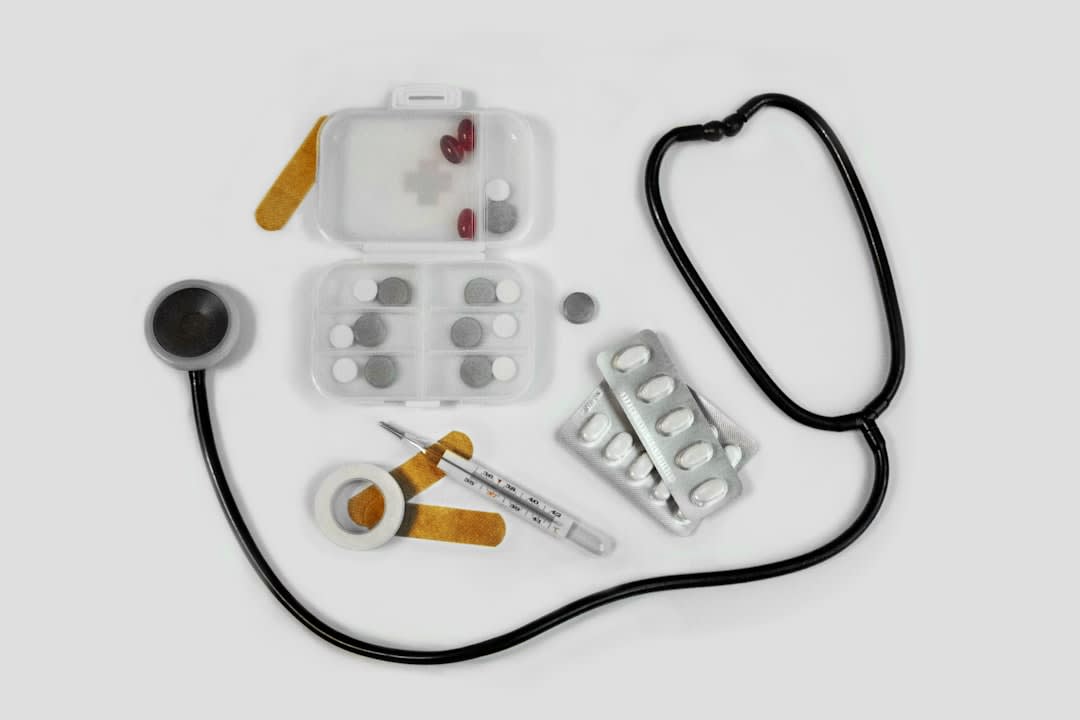
As the medical community grapples with the complexities of antidepressant withdrawal, technology offers new hope. Advanced health tech solutions are being developed to monitor, predict, and manage withdrawal symptoms more effectively. These innovations range from mobile health apps to sophisticated AI-driven platforms.
Mobile Health Applications
Mobile health apps are at the forefront of this technological revolution. These apps provide patients with tools to track their symptoms, connect with healthcare providers, and access educational resources. For instance, the app "MyTherapy" allows users to log their medication intake, track symptoms, and receive reminders for their tapering schedule. Such tools empower patients by giving them a greater sense of control over their treatment process.
A case study involving the app "Medisafe" demonstrated its effectiveness in improving medication adherence and reducing withdrawal symptoms. Patients reported feeling more supported and less anxious about their withdrawal journey, illustrating the potential of digital solutions in enhancing patient outcomes.
AI-Driven Platforms
Artificial Intelligence (AI) is another powerful tool in the management of antidepressant withdrawal. By leveraging machine learning algorithms, AI platforms can analyze vast amounts of patient data to identify patterns and predict withdrawal symptoms. This predictive capability allows healthcare providers to intervene proactively, adjusting treatment plans before symptoms become severe.
An example is the AI-based platform "TheraMind," which uses data analytics to customize treatment plans based on individual patient profiles. This approach not only improves the precision of withdrawal management but also enhances the overall efficacy of mental health treatment. For more insights into the transformative role of AI in healthcare, explore our detailed article on AI's impact on healthcare.
The Intersection of Mental Health and Wearable Technology
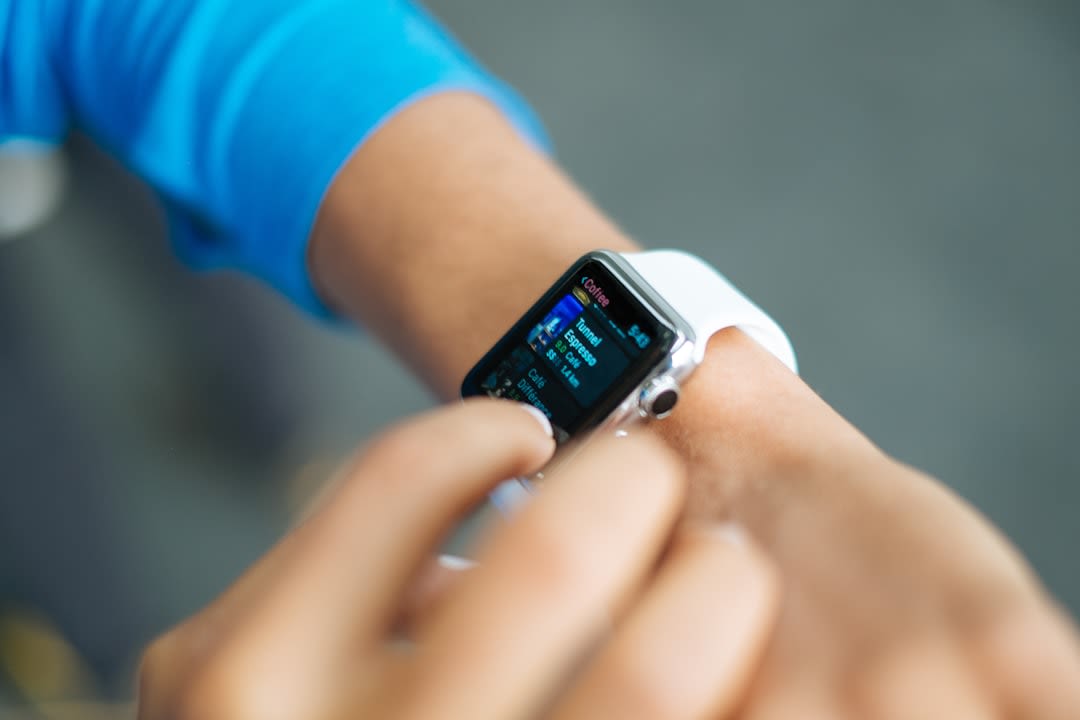
Wearable technology is revolutionizing many aspects of healthcare, including mental health management. Devices such as smartwatches and fitness trackers can monitor physiological parameters like heart rate variability and sleep patterns, offering valuable insights into a patient's mental health status.
Wearables in Withdrawal Monitoring
In the context of antidepressant withdrawal, wearables can provide real-time data on a patient's physical and emotional well-being. For example, devices that track changes in heart rate can signal increased anxiety or stress levels, prompting timely interventions by healthcare providers.
The integration of wearable tech with health apps allows for a more comprehensive monitoring system. Patients can receive alerts when their physiological markers indicate potential withdrawal symptoms, enabling early management and reducing the risk of severe episodes. This approach aligns with the growing trend of personalized and preventive healthcare, where technology plays a pivotal role in improving patient outcomes.
Case Study: Wearable Tech in Action
A recent pilot study conducted by a leading healthcare provider demonstrated the effectiveness of wearable technology in managing antidepressant withdrawal. Participants who used wearables reported fewer severe symptoms and quicker recovery times compared to those who relied solely on traditional monitoring methods. This case highlights the potential of wearables as a critical component in the tech-driven mental health landscape.
Entrepreneurial Opportunities in Health Tech

The intersection of mental health and technology presents a wealth of opportunities for entrepreneurs and startup founders. The demand for innovative solutions in managing antidepressant withdrawal is growing, and forward-thinking businesses can capitalize on this trend.
Developing Next-Gen Health Tech Solutions
Entrepreneurs can explore various avenues, such as developing AI-driven platforms, mobile health apps, and wearable devices, to address the challenges of antidepressant withdrawal. By focusing on user-centric design and data-driven insights, startups can create products that enhance patient engagement and improve health outcomes.
Furthermore, collaborations with healthcare providers can facilitate the integration of these technologies into clinical practice, ensuring their widespread adoption and success. As the healthcare industry becomes increasingly tech-driven, the potential for innovation in this space is immense.
Regulatory Considerations
However, it's essential to navigate the regulatory landscape carefully. Health tech products must comply with stringent regulations to ensure patient safety and data privacy. Understanding the regulatory requirements in different regions is crucial for entrepreneurs looking to enter the market. For insights on how regulations can impact innovation, read our article on Europe's regulatory challenges.
The Future of Antidepressant Withdrawal Management

As technology continues to advance, the future of antidepressant withdrawal management looks promising. Emerging trends such as telemedicine, virtual reality, and digital therapeutics are poised to redefine how withdrawal symptoms are managed.
Telemedicine and Remote Monitoring
Telemedicine offers a convenient and accessible way for patients to receive continuous care during the withdrawal process. Through virtual consultations, healthcare providers can monitor patients' progress, provide support, and adjust treatment plans as needed. This approach not only enhances patient engagement but also reduces the burden on traditional healthcare systems.
Remote monitoring, facilitated by wearable devices and mobile apps, ensures that patients receive timely interventions when symptoms arise. This proactive approach minimizes the risk of severe withdrawal episodes and improves overall patient satisfaction.
Virtual Reality (VR) in Mental Health Care
Virtual reality is an emerging tool in mental health care with the potential to support patients experiencing withdrawal symptoms. VR-based therapies can provide immersive experiences that help patients manage anxiety and stress, offering an innovative complement to traditional treatment methods.
Incorporating VR into mental health care requires a collaborative effort between tech developers and healthcare professionals. By combining their expertise, they can create effective VR solutions that enhance the withdrawal management process and contribute to better patient outcomes.
Conclusion
The integration of technology into mental health care is transforming how antidepressant withdrawal is managed. From mobile health apps to AI-driven platforms and wearable devices, these innovations offer new hope for patients and healthcare providers alike. Entrepreneurs and startups have a unique opportunity to drive this transformation by developing cutting-edge health tech solutions that address the challenges of withdrawal management. As the landscape continues to evolve, the potential for innovation in this space is vast, promising a future where technology and mental health care work hand in hand to improve patient outcomes.
Frequently Asked Questions
What are the common symptoms of antidepressant withdrawal?
Common symptoms include dizziness, insomnia, nausea, headaches, mood swings, and feelings of anxiety or depression. These symptoms can vary in intensity based on the individual's unique response to medication discontinuation.
How can technology assist in managing antidepressant withdrawal?
Technology can assist by providing tools for symptom tracking, predictive analytics for symptom management, and wearable devices for real-time monitoring. Mobile apps and AI platforms play a crucial role in offering personalized care and timely interventions.
What role do wearable devices play in mental health care?
Wearable devices track physiological parameters like heart rate, sleep patterns, and activity levels, providing insights into a patient's mental health status. This data helps healthcare providers make informed decisions and offers patients greater control over their health outcomes.
Are there any successful case studies involving health tech solutions for withdrawal management?
Yes, several case studies demonstrate the effectiveness of health tech solutions. For example, the app "Medisafe" improved medication adherence and symptom management, while a pilot study on wearable tech showed reduced withdrawal symptoms and quicker recovery times.
What are the regulatory challenges associated with health tech products?
Health tech products must adhere to strict regulations to ensure safety and data privacy. Entrepreneurs must navigate these regulations carefully to bring their products to market successfully. Understanding the regulatory landscape in different regions is crucial for compliance.
What are the opportunities for entrepreneurs in the health tech industry?
The demand for innovative mental health solutions is growing, presenting opportunities for developing AI-driven platforms, mobile apps, and wearable devices. Collaborations with healthcare providers can facilitate product integration into clinical practice, enhancing adoption and impact.
How does AI enhance the precision of withdrawal management?
AI enhances precision by analyzing patient data to predict withdrawal symptoms and customize treatment plans. This predictive capability allows for timely interventions and improved patient outcomes.
What future trends are expected in antidepressant withdrawal management?
Emerging trends include telemedicine, remote monitoring, and virtual reality therapies. These technologies offer accessible care, proactive symptom management, and innovative treatment methods, reshaping the future of mental health care.
Tags
Amzsoft Innovexa
Engineering and delivery notes from the Amzsoft Innovexa team — fintech platforms, AI automation, and product engineering.