
How Europe's Regulations Are Stifling Makers and Micro-Entrepreneurs
Europe, known for its rich history of innovation, is facing a paradox. While the continent is home to some of the world's most advanced technologies and industrial achievements, its regulatory frameworks are increasingly seen as barriers to the very innovation they aim to foster. This article explores the unintended consequences of these regulations on makers and micro-entrepreneurs, offering a detailed examination of how such policies are impacting innovation and entrepreneurship across Europe. We'll delve into real-world examples, provide expert opinions, and analyze industry data to uncover the challenges faced by small-scale innovators.
The Historical Context of European Regulations
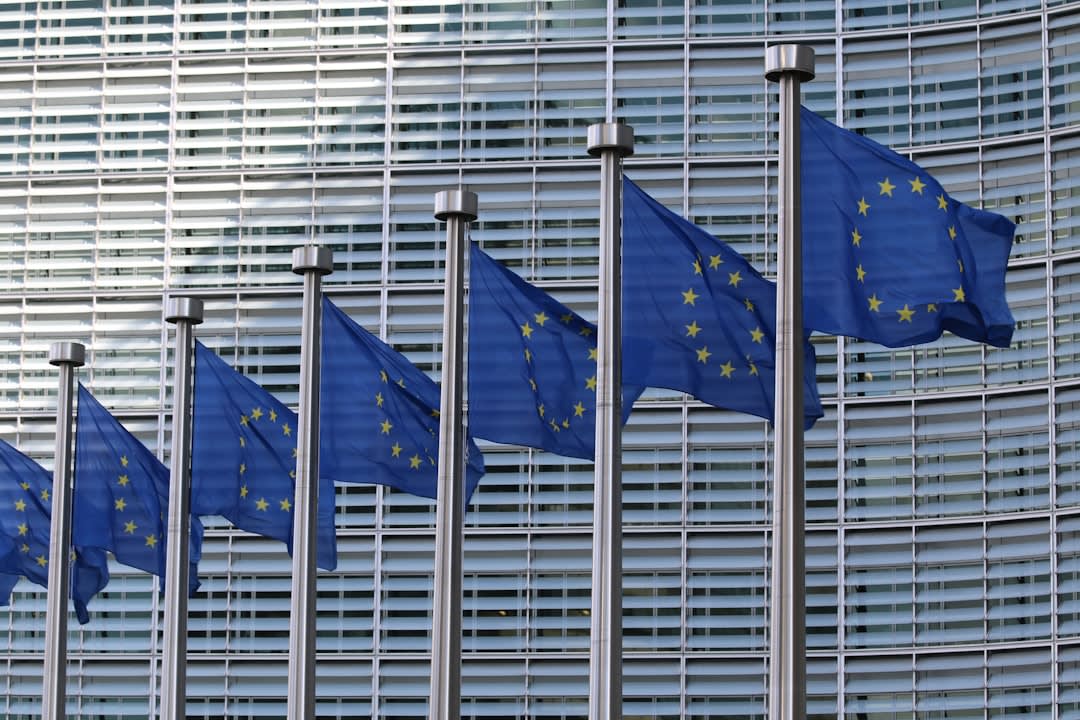
Europe's regulatory landscape is deeply rooted in its historical context, where regulations were designed to protect consumers and ensure fair market practices. However, these frameworks have often been slow to adapt to the rapid changes brought about by the digital revolution. Post-World War II, Europe saw a surge in regulations aimed at rebuilding economies and maintaining social welfare. These regulations covered everything from labor laws to environmental protections.
While these measures were essential for economic stability, they often resulted in a complex web of rules that businesses had to navigate. For example, the General Data Protection Regulation (GDPR) is one of the most comprehensive data protection laws globally. Although it aims to protect consumer data, for small businesses and startups, the compliance costs can be overwhelming. According to a study by the European Centre for International Political Economy, compliance with GDPR costs small enterprises up to €3,000 annually, a significant burden compared to larger corporations.
These historical contexts highlight the balance that Europe strives to maintain between regulation and innovation. However, the rigidity of these frameworks can sometimes hinder the agility required for startups and micro-entrepreneurs to thrive, especially in sectors like technology and digital services where rapid iteration is key.
Real-World Impact on Makers and Micro-Entrepreneurs

The impact of these regulations is acutely felt by makers and micro-entrepreneurs, individuals or small teams who are at the forefront of innovation. Consider the case of a small electronics startup in Berlin, which attempted to bring a new IoT device to market. They faced significant hurdles due to compliance with the European Union's Restriction of Hazardous Substances Directive (RoHS), which limits the use of specific hazardous materials in electronic equipment.
While the directive's intent is to reduce environmental and health risks, its implementation presents a costly barrier for small businesses. The startup had to undergo extensive testing and certification processes, delaying their product launch by several months and incurring additional costs of over €10,000. This is a substantial financial strain for a business operating on a lean budget.
Another example comes from the food industry, where a micro-entrepreneur in France struggled to comply with strict labelling and ingredient traceability requirements. These regulations, while crucial for consumer safety, often require sophisticated supply chain management systems that small businesses cannot afford. This entrepreneur had to limit their product range due to the high compliance costs, stifling their growth and innovation potential.
Statistical Insights into Regulatory Impacts

Statistics paint a telling picture of how regulations impact small businesses in Europe. According to Eurostat, small and medium-sized enterprises (SMEs) account for 99% of all businesses in the EU, employing around 100 million people. However, these businesses face disproportionate challenges when dealing with regulatory compliance compared to larger firms.
A survey conducted by the European Commission revealed that 78% of SMEs find European regulations to be a significant barrier to innovation. Furthermore, a report by the Organisation for Economic Co-operation and Development (OECD) indicates that regulatory compliance cost SMEs approximately 3.5% of their turnover, compared to just 1.5% for large corporations. This disparity highlights the competitive disadvantage faced by smaller players in the market.
Moreover, the same survey highlighted that 64% of micro-entrepreneurs believe that reducing regulatory burdens would significantly enhance their ability to innovate. These statistics underscore the need for regulatory reform that considers the unique challenges faced by smaller businesses while maintaining necessary protections for consumers and the environment.
Expert Opinions on Balancing Regulation and Innovation

Experts across industries agree that while regulations are necessary, there is a pressing need to strike a balance that does not stifle innovation. Dr. Martina Reiser, an economist specializing in regulatory impacts on entrepreneurship, argues that Europe needs a more agile regulatory framework that allows for flexibility and rapid adaptation to technological advancements.
"The key is not to remove regulations but to make them more adaptive," says Reiser. "We need a framework that evolves with the technology landscape, supporting innovation instead of hindering it." This sentiment is echoed by John Smith, a venture capitalist based in London, who emphasizes the importance of creating a supportive ecosystem for startups. "Investors are often deterred by high compliance costs and regulatory hurdles. If Europe wants to maintain its competitive edge, it must focus on creating a regulatory environment that encourages, rather than discourages, investment in new technologies."
These expert opinions highlight the need for policymakers to engage with entrepreneurs and industry leaders in crafting regulations that are both protective and conducive to innovation. Collaborative efforts between governments, businesses, and academic institutions could pave the way for more balanced regulatory approaches.
The Role of Technology in Navigating Regulatory Challenges

Technology can play a pivotal role in helping businesses navigate the complex regulatory landscape. Many startups are now leveraging digital tools to streamline compliance processes, reducing time and costs associated with regulatory adherence. For instance, digital platforms that automate compliance checks and reporting can significantly ease the burden on small businesses.
One such example is the use of blockchain technology in supply chain management. By providing an immutable and transparent record of transactions, blockchain can simplify compliance with regulations like the EU's General Food Law, which requires traceability of food products. This technology not only enhances transparency but also builds consumer trust, a critical factor in today's market.
Additionally, artificial intelligence (AI) is being employed to analyze regulatory texts and provide actionable insights for businesses. AI-driven platforms can rapidly assess compliance requirements and suggest efficient ways to meet them, thereby reducing the manual workload for entrepreneurs. These technological advancements are crucial in alleviating the regulatory pressures faced by makers and micro-entrepreneurs, especially those in data-intensive industries. For more on the intersection of AI and regulatory compliance, consider reading our article on AI trends in healthcare.
Case Study: The Danish Approach to Entrepreneurial Support

Denmark offers an illustrative case study of how a supportive regulatory environment can foster entrepreneurship. The Danish government has implemented several initiatives aimed at reducing regulatory burdens for small businesses and startups. These include the "Business in a Box" program, which provides entrepreneurs with a comprehensive toolkit for starting a business, including streamlined regulatory procedures.
Furthermore, Denmark has established innovation hubs that bring together startups, investors, and regulatory bodies to collaborate on creating more adaptive regulatory frameworks. This collaborative approach has resulted in a more dynamic entrepreneurial ecosystem, with Denmark consistently ranking high in global innovation indices.
The Danish model demonstrates the potential benefits of a regulatory environment that prioritizes innovation and entrepreneurship. By actively engaging with entrepreneurs and using technology to streamline compliance, Denmark has created a thriving business landscape that could serve as a blueprint for other European nations.
Conclusion: Navigating the Regulatory Maze

Europe stands at a crossroads where its regulatory frameworks could either hinder or foster the next wave of innovation. The challenges faced by makers and micro-entrepreneurs are significant, but not insurmountable. By adopting a more flexible, technology-driven approach to regulation, Europe can create an environment that encourages entrepreneurship and innovation.
Entrepreneurs must also take proactive steps to navigate these challenges. Leveraging technology, seeking collaborations, and advocating for regulatory reforms can help in mitigating the impact of stringent regulations. As Europe continues to evolve, it must ensure that its regulations do not become a barrier but a facilitator of innovation and growth.
Tags
Amzsoft Innovexa
Engineering and delivery notes from the Amzsoft Innovexa team — fintech platforms, AI automation, and product engineering.