
How Government Corruption Perceptions Impact Business and Tech
In recent years, the perception of government corruption in the United States has reached an alarming high, with 89% of Americans believing that corruption is widespread. This staggering statistic not only signals a significant trust deficit in public institutions but also poses far-reaching implications for businesses, especially in the technology sector. As entrepreneurs and business leaders navigate this challenging landscape, understanding the impact of perceived corruption and the importance of transparency and ethical practices becomes crucial. This comprehensive analysis delves into the intricate relationship between government corruption and the business world, offering insights and strategies for fostering trust and integrity.
The Impact of Government Corruption on Business Confidence

Government corruption, whether perceived or real, can severely undermine business confidence. When entrepreneurs and business owners perceive a lack of integrity in government dealings, it creates an environment of uncertainty and risk. This uncertainty can lead to hesitation in investment, both domestically and from foreign investors, who may see the region as unstable or unpredictable.
Consider the example of a tech startup seeking venture capital. If investors believe that government corruption could potentially skew market regulations or introduce unpredictable legal challenges, they may be less inclined to provide funding. This perception is not unwarranted. According to Transparency International, countries with higher levels of perceived corruption tend to have lower levels of foreign direct investment. Such a trend highlights the broader economic impact that corruption can have on innovation and entrepreneurship.
Moreover, businesses operating in environments perceived as corrupt often face additional costs due to the need for 'facilitation payments' or other unethical practices merely to expedite processes that should be straightforward. This not only raises operational costs but also puts companies at risk of legal repercussions under laws like the U.S. Foreign Corrupt Practices Act (FCPA).
From a practical standpoint, businesses can mitigate these risks by building robust compliance programs and fostering a culture of transparency and accountability. For startups, this might include adopting clear ethical guidelines and ensuring all employees are trained to recognize and report unethical behavior. Such measures not only protect businesses from potential legal issues but also enhance their reputation, making them more attractive to investors and customers alike.
Technological Innovation: A Double-Edged Sword in Corrupt Environments

The technology sector, known for its rapid innovation and disruption, can be both a victim and a tool in combating government corruption. On the one hand, technology companies are often at the forefront of markets susceptible to corrupt practices, particularly in sectors like cybersecurity and digital marketing.
For instance, Google's recent decisions in ad tech highlight how regulatory environments can shape market dynamics. Companies must navigate complex legal landscapes, ensuring compliance while innovating. In corrupt environments, this becomes more challenging, as legal standards can be inconsistently applied, and enforcement may be swayed by unethical influences.
On the other hand, technology also offers powerful tools to combat corruption. Blockchain, for example, provides a decentralized ledger that can enhance transparency in government transactions, reducing opportunities for corrupt practices. Similarly, AI and machine learning can identify patterns indicative of corruption in vast datasets, aiding in early detection and prevention.
However, the deployment of these technologies must be accompanied by ethical considerations. Implementing AI without addressing potential biases can inadvertently reinforce existing corrupt practices. Thus, tech companies must prioritize ethical AI development, ensuring their tools promote fairness and accountability.
Corporate Transparency: The Key to Building Trust

In environments where government corruption is perceived to be high, corporate transparency becomes a critical differentiator. Transparency not only builds trust with consumers and stakeholders but also acts as a safeguard against the risks associated with operating in corrupt markets.
Transparency can be achieved through several strategic initiatives, such as publicly disclosing financial records, adopting open communication channels, and fostering an organizational culture that values honesty and integrity. Companies like those that emphasize culture over technology often find themselves more resilient against external uncertainties.
An example of effective transparency can be seen in the financial reporting practices of publicly traded companies. By law, these companies must adhere to strict reporting standards, providing stakeholders with a clear view of their financial health. This transparency can serve as a model for private enterprises operating in corrupt environments, helping them gain credibility and trust.
Moreover, transparency extends beyond financial disclosures. It encompasses all aspects of business operations, including supply chain management and customer interactions. By employing blockchain technology, businesses can ensure traceability in their supply chains, providing stakeholders with verifiable proof of ethical sourcing and operations.
Ultimately, transparency is not just about compliance but about building a reputation that withstands the pressures of a corrupt environment. This reputation, in turn, attracts customers, partners, and investors who value integrity and ethical business practices.
Ethical Practices: A Competitive Advantage in Corrupt Markets

While operating in corrupt environments presents challenges, it also offers opportunities for companies committed to ethical practices. By positioning themselves as ethical leaders, businesses can differentiate from competitors and gain a loyal customer base that values integrity.
Adopting ethical practices involves more than just adhering to laws and regulations; it requires a proactive approach to corporate responsibility. This includes implementing comprehensive compliance programs, fostering an inclusive company culture, and actively engaging in corporate social responsibility (CSR) initiatives.
For instance, a company known for its ethical practices may find it easier to attract top talent, as employees increasingly seek employers whose values align with their own. This alignment can lead to higher employee satisfaction and retention, contributing to a more innovative and productive workforce. For more insights on this, consider exploring how the tech job landscape is changing and how companies can adapt.
Moreover, ethical practices can enhance brand loyalty. In a market where trust is scarce, consumers are more likely to support businesses they perceive as ethical and transparent. This loyalty translates into sustained revenue and market share, even in challenging economic conditions.
Furthermore, ethical leadership can influence industry standards. As more companies adopt ethical practices, they set a benchmark for others in the industry, gradually shifting the market towards greater integrity and accountability.
Reshaping Trust in Institutions Through Innovation
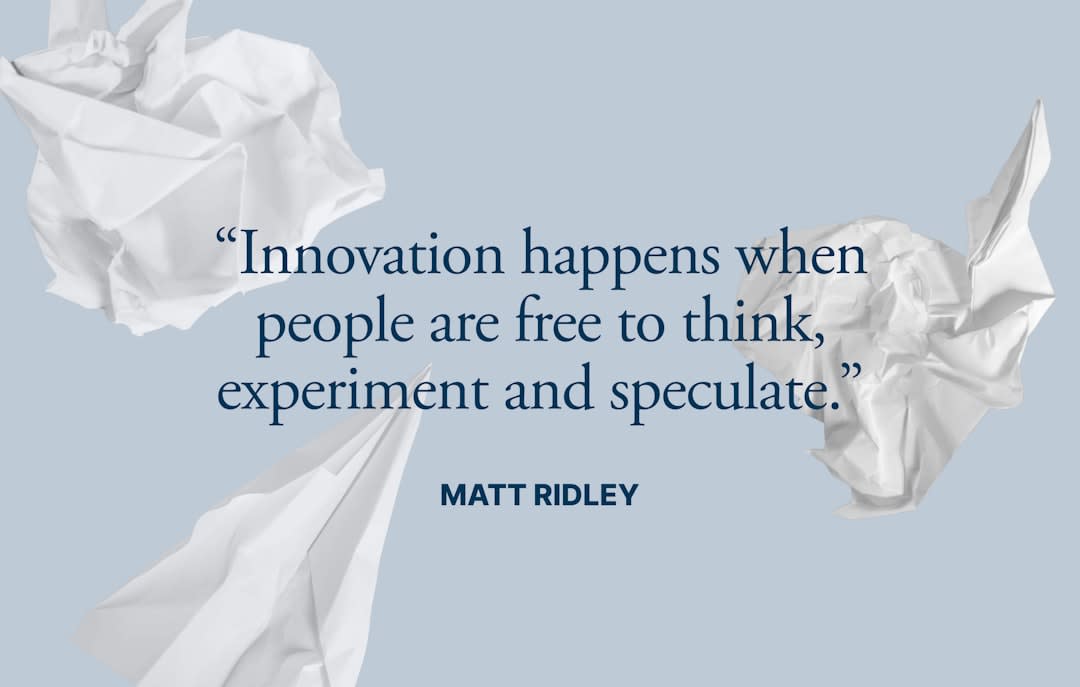
Restoring trust in institutions requires a multifaceted approach, where technology and innovation play pivotal roles. By leveraging technological advancements, businesses can set new standards for transparency and accountability, challenging the status quo and fostering a culture of trust.
One area where innovation can significantly impact is data transparency. Companies can use AI-driven analytics to provide stakeholders with real-time insights into their operations, enhancing accountability. For example, deploying voice AI agents in customer service can ensure consistent and transparent communication, building trust with consumers.
Furthermore, businesses can drive change by advocating for ethical standards and collaborating with governments and NGOs to develop frameworks that promote transparency and accountability. Such collaborations can lead to the creation of industry-wide standards that address corruption and enhance institutional trust.
Innovation also involves rethinking traditional business models to prioritize stakeholder value over short-term profits. This shift requires a commitment to ethical leadership and a willingness to challenge entrenched practices. By doing so, businesses can contribute to a broader cultural shift towards integrity in both the private and public sectors.
In conclusion, while the perception of government corruption poses significant challenges, it also offers an opportunity for businesses to lead change. By embracing transparency, ethical practices, and technological innovation, businesses can not only navigate the complexities of corrupt environments but also play a pivotal role in restoring trust in institutions.
Conclusion
The perception of widespread government corruption is a formidable challenge for businesses and technology industries. However, it also presents an opportunity for entrepreneurs and business leaders to champion transparency and ethical practices. By doing so, they can restore trust in institutions and pave the way for a more equitable and innovative business environment. As businesses strive to navigate these challenges, they must prioritize ethical leadership, embrace technology that promotes transparency, and engage in practices that build enduring trust with stakeholders. Through these efforts, they can not only thrive in the face of adversity but also contribute to a more trustworthy and stable economic landscape.
Tags
Amzsoft Innovexa
Engineering and delivery notes from the Amzsoft Innovexa team — fintech platforms, AI automation, and product engineering.