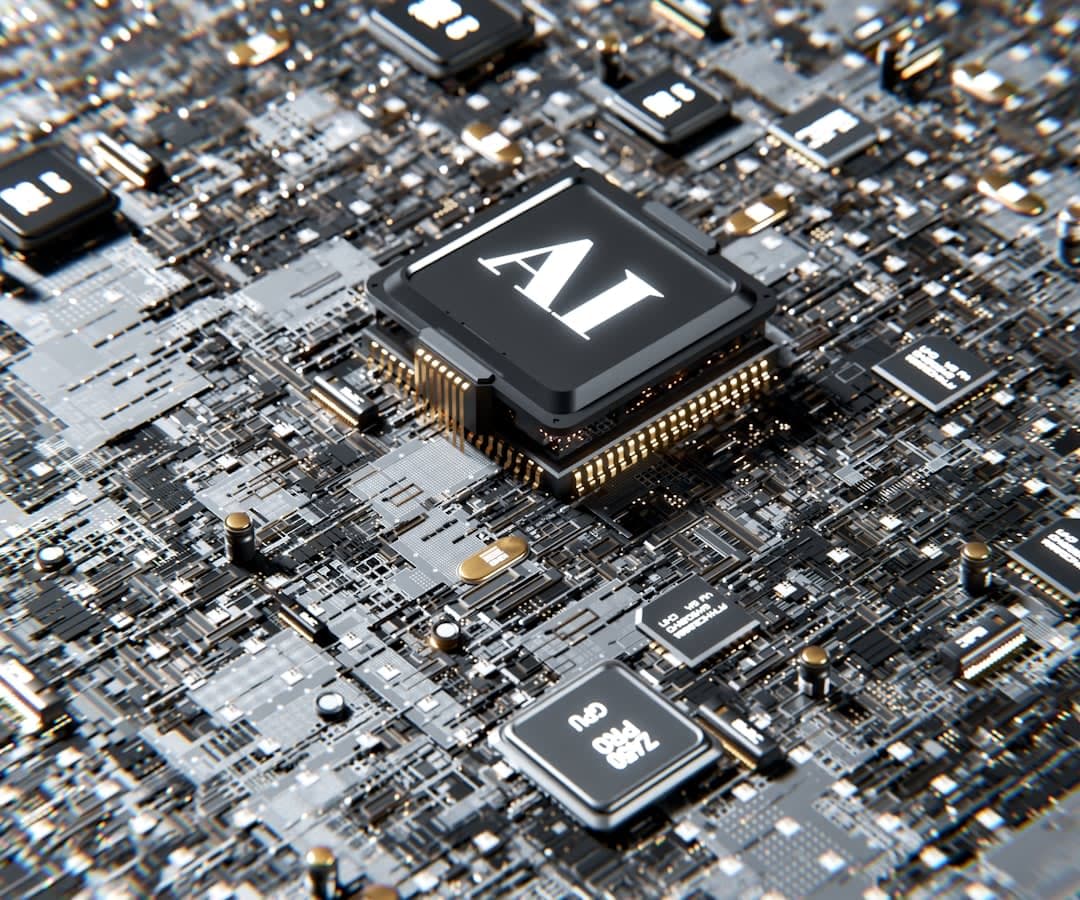
The Ethical Implications of AI Investments in US Elections
The Influence of AI Investments in Political Campaigns
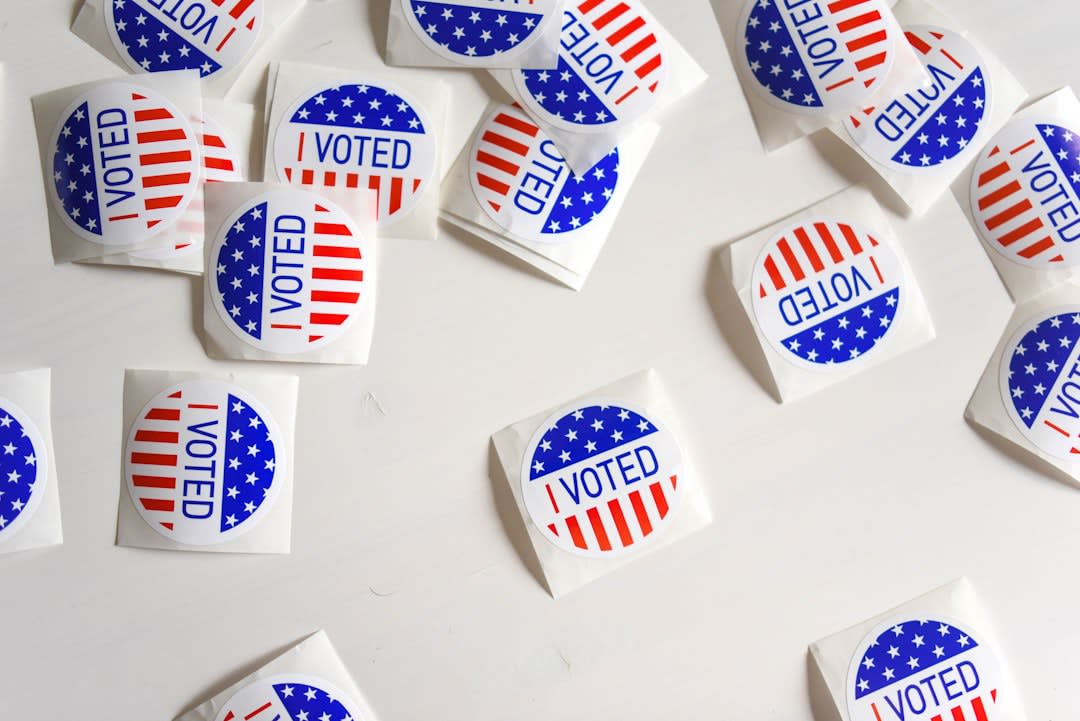
Artificial Intelligence (AI) is reshaping the political landscape in the United States. Significant AI investments are increasingly influencing US elections, raising critical ethical questions about the future of democracy.
This influx of AI investments in political campaigns creates a new dynamic. Algorithms have the potential to sway electoral outcomes. The power of AI in politics lies in its ability to process vast amounts of data for targeted voter engagement. For more information, check out our article on AI's role in transforming US elections.
Ethical Concerns: Privacy and Manipulation

The ethical implications of AI in elections are profound. Firstly, privacy is a significant issue. AI systems can gather and analyze voter data with unprecedented precision, raising concerns about surveillance and data misuse.
Moreover, AI's ability to craft personalized political messages can lead to manipulation. This raises questions about the fairness of elections if voters are swayed by AI-generated content tailored to exploit personal biases.
Understanding these risks is crucial. Recognizing the importance of code correctness in AI is similar to the insights shared in our post on AI code generation risks.
Potential Consequences on Democracy
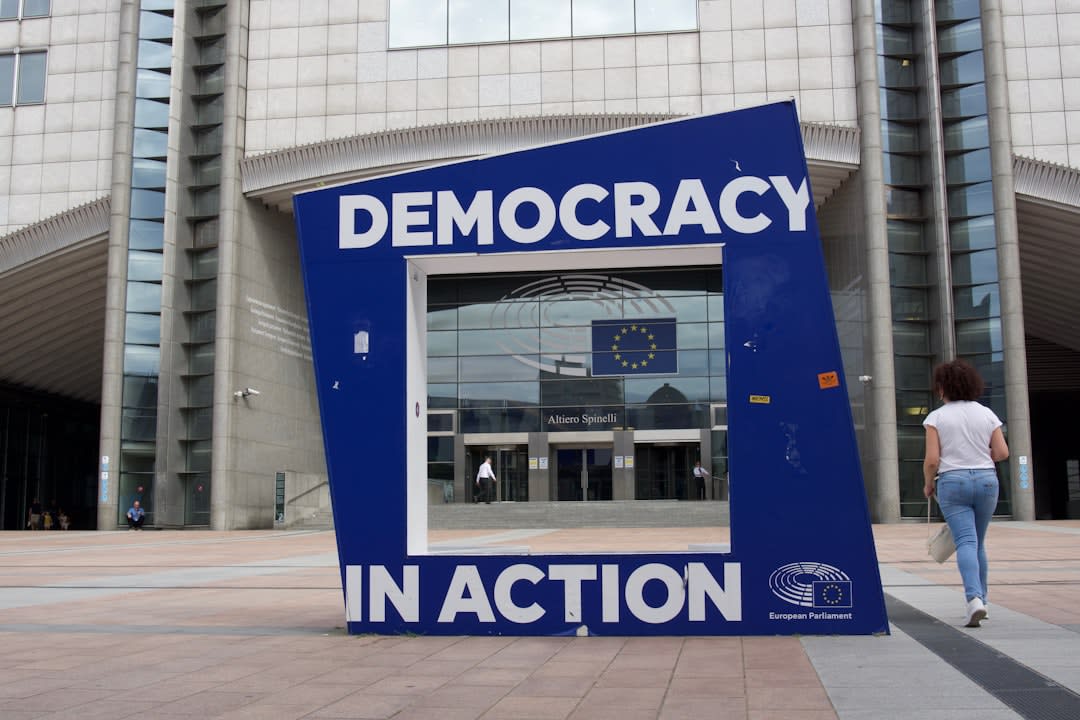
The impact of AI investments extends beyond individual campaigns. There's a real risk that AI could undermine trust in democratic processes. If voters perceive that elections are being manipulated by AI, the legitimacy of electoral outcomes could be questioned.
This situation mirrors challenges in other industries, where the role of AI necessitates careful oversight. For example, the need for human oversight in automotive technology is discussed in Ford's AI challenges.
Regulating AI in Political Campaigns
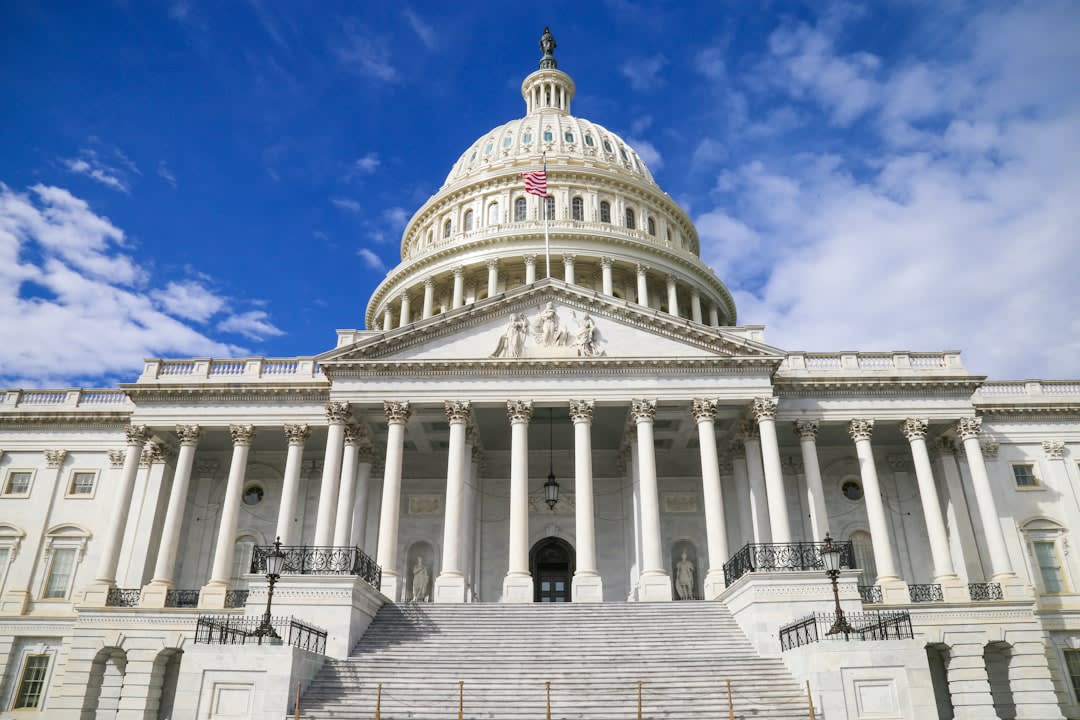
As AI continues to influence elections, the call for regulatory frameworks grows louder. Policymakers face the challenge of balancing innovation with ethical considerations. Effective regulation could ensure that AI's role in elections is transparent and fair.
Tech professionals and policymakers must collaborate to establish guidelines that protect democratic values while fostering technological advancement. The debate between open and closed source AI development, as explored in our article on AI development ethics, offers valuable insights into managing these challenges.
Conclusion
The intersection of AI and politics is a double-edged sword. It offers opportunities for innovation but also poses risks to democratic integrity. As AI investments in US elections continue to grow, the need for ethical scrutiny and robust regulation becomes ever more critical.
Stakeholders from tech, politics, and society must engage in dialogue to navigate this complex landscape, ensuring that AI enhances rather than hinders democratic processes.
FAQs
- What is the impact of AI on US elections?
AI influences US elections by shaping voter engagement and campaign strategies, while raising ethical concerns about privacy and manipulation. - Why are AI investments in political campaigns controversial?
They raise ethical issues related to data privacy, voter manipulation, and the potential undermining of democratic trust. - How can AI be regulated in political contexts?
Through transparent regulatory frameworks that balance innovation with ethical considerations, ensuring fair electoral processes. - What are the ethical implications of AI in politics?
Key issues include data privacy, voter manipulation, and the potential erosion of democratic integrity. - How does AI in elections affect democracy?
AI can enhance voter engagement but also risks undermining trust if perceived as manipulative or unfair. - What role do policymakers have in AI regulation for elections?
Policymakers must create guidelines that ensure AI's use is transparent, fair, and respects democratic principles.
Tags
69ee7b2435e609f0fcf89840
Content creator and technology enthusiast sharing insights on the latest trends and best practices.