Unveiling the AI-Driven Cybersecurity Revolution

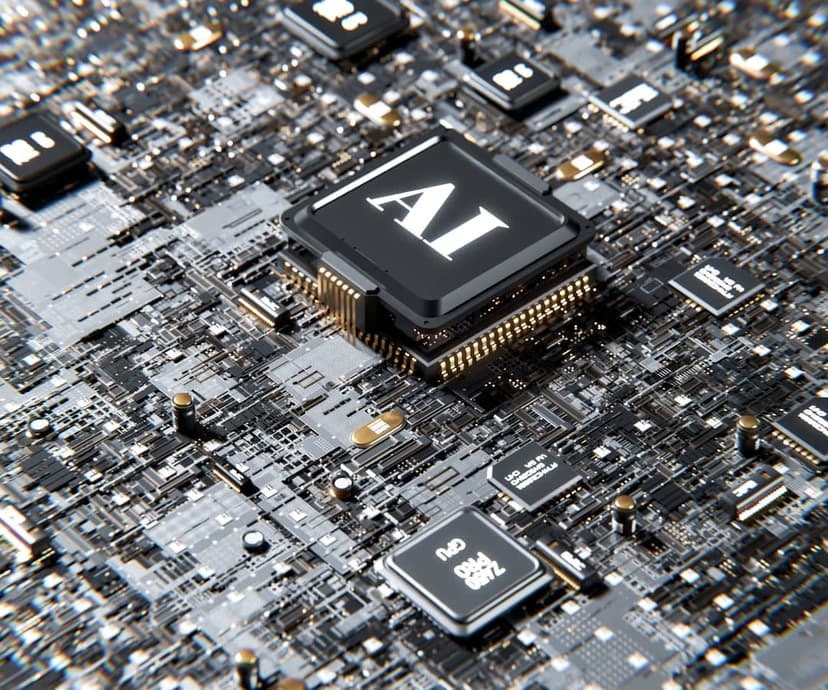
The integration of AI in cybersecurity is not just a trend—it's a paradigm shift. As cyber threats grow in complexity, the need for adaptive and intelligent solutions becomes imperative. AI tools for security are leading this charge, transforming how we anticipate, identify, and neutralize cyber threats.
Why AI Matters in Cybersecurity
AI in cybersecurity offers dynamic threat detection capabilities that traditional methods lack. Its ability to analyze vast data sets in real-time allows for swift identification of anomalies and potential breaches.
- Predictive Analytics: AI can predict potential threats by analyzing patterns and historical data.
- Automated Response: AI systems can automate responses to threats, reducing response times and minimizing damage.
- Continuous Learning: AI models constantly evolve, learning from new threats to improve their accuracy and efficiency.
Emerging Trends in AI and Cybersecurity

1. AI and Threat Intelligence
AI is revolutionizing threat intelligence by offering advanced data analysis capabilities. This includes identifying new threat vectors and understanding attack patterns.
For a deeper dive into the intersection of AI and security, explore our insights on AI and Cryptography.
2. AI-Driven Behavioral Analysis
Behavioral analysis powered by AI helps detect unusual user activity and potential insider threats. These systems learn baseline behaviors and flag deviations.
3. AI-Powered Security Automation
Automation is key in managing large-scale cybersecurity operations. AI-driven tools streamline processes, allowing teams to focus on strategic tasks rather than routine monitoring.
Essential AI Tools for Cybersecurity

Machine Learning Algorithms
Machine learning is at the heart of many AI cybersecurity tools, enabling systems to adapt and improve over time.
Natural Language Processing (NLP)
NLP allows AI systems to analyze and understand human language, making it easier to detect phishing attempts and social engineering attacks.
AI Integration Strategies
Integrating AI into existing security frameworks requires careful planning. Consider these strategies:
- Start Small: Begin with specific AI tools that address immediate needs, and scale gradually.
- Collaborate with Experts: Engage AI specialists to ensure seamless integration and optimal performance.
- Continuous Monitoring: Regularly assess AI performance and make necessary adjustments.
For guidance on implementing AI frameworks, read our AI Governance guide.
Preparing for the Future of Cybersecurity

The future of cybersecurity is undeniably intertwined with AI advancements. Staying informed about emerging trends and tools is crucial for professionals aiming to protect their digital assets effectively.
As AI continues to evolve, its role in shaping the cybersecurity landscape will only grow more significant. Understanding and leveraging these technologies will be vital for staying ahead of cyber threats.
FAQs
- How does AI improve threat detection?
AI analyzes data patterns to identify anomalies, predicting potential threats before they occur.
- What are AI-driven behavioral analysis tools?
These tools use AI to learn and recognize normal user behavior, flagging any deviations as potential threats.
- How can AI automation enhance cybersecurity?
AI automates routine tasks, allowing security teams to focus on more complex challenges.
- What should be considered when integrating AI into security protocols?
Start small, collaborate with experts, and ensure continuous monitoring and optimization of AI tools.
- Are there privacy concerns with AI in cybersecurity?
Yes, it's essential to balance security improvements with privacy protections, especially given AI's data requirements.
- How does machine learning contribute to cybersecurity?
Machine learning enables systems to learn from data, improving threat detection and response over time.
- What role does NLP play in cybersecurity?
NLP helps AI understand and process human language, enhancing the detection of phishing and social engineering attacks.
As AI continues to transform cybersecurity, staying informed and adaptable will be crucial. Embrace these changes to safeguard your systems against evolving threats.
Tags
Amzsoft Innovexa
Engineering and delivery notes from the Amzsoft Innovexa team — fintech platforms, AI automation, and product engineering.