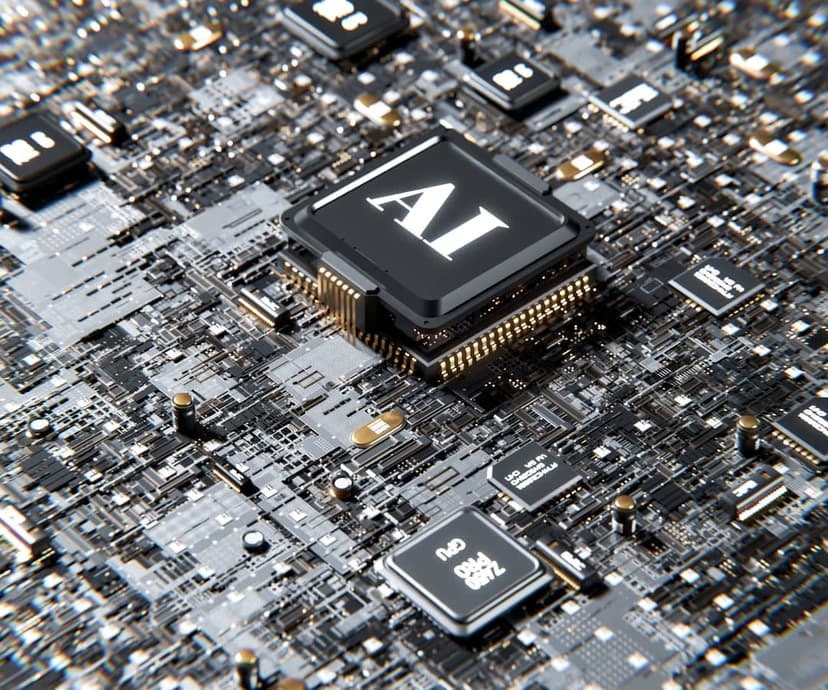
AI in Cybersecurity: A Perfect Match for 2024
In 2024, the fusion of AI in cybersecurity is not just a trend; it's a necessity. As cyber threats grow more sophisticated, traditional methods are falling short. AI-driven security strategies are stepping in to bridge the gap, offering unparalleled protection and rapid response capabilities.
AI's ability to analyze vast amounts of data quickly and accurately makes it an invaluable tool in cybersecurity. From detecting anomalies to predicting future threats, AI is revolutionizing how we protect our digital assets.
AI-Driven Approaches in Cybersecurity
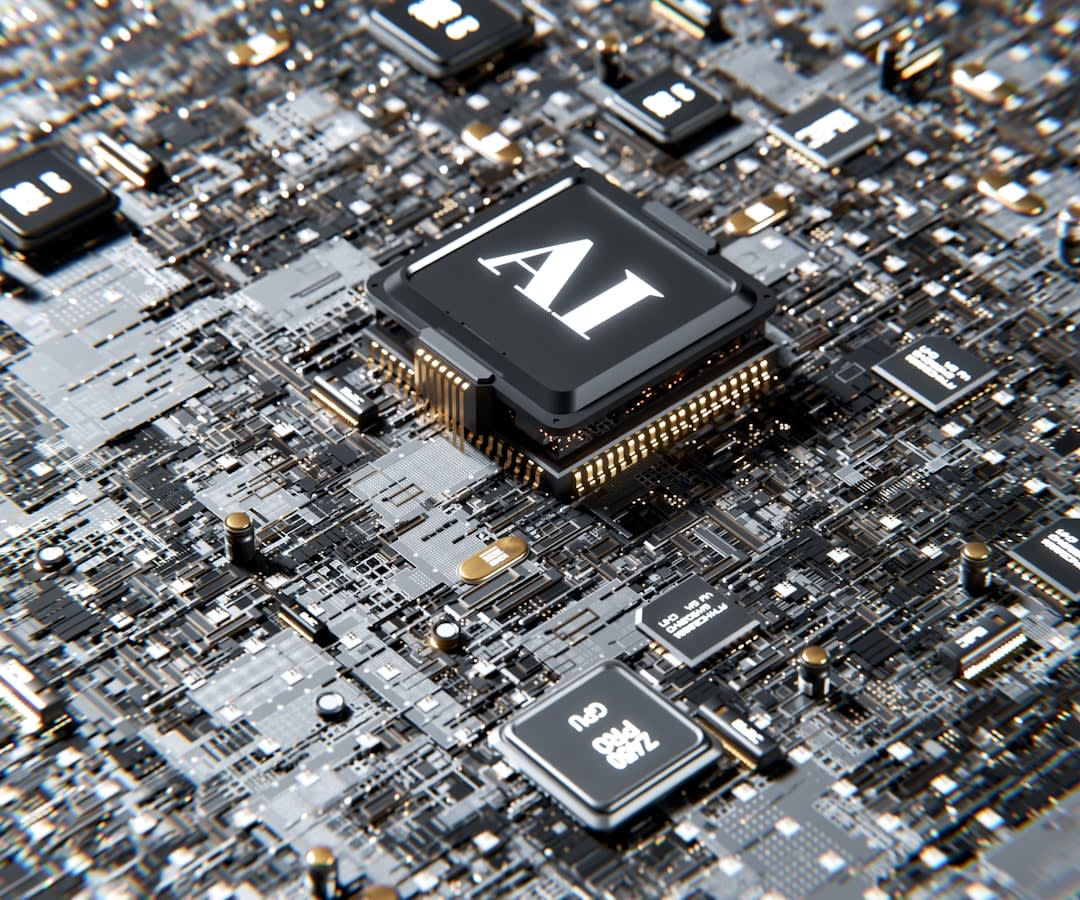
1. Behavior Analytics
One of the standout AI-driven approaches in 2024 is behavior analytics. By learning the normal behavior patterns of users, AI systems can detect deviations that may indicate a security breach. This proactive approach enables early threat detection, minimizing potential damage.
For example, if an employee's account suddenly accesses sensitive data at odd hours, the AI system can flag this as suspicious, triggering an immediate investigation.
2. Automated Threat Detection and Response
AI's ability to automate threat detection and response is a game-changer. Unlike traditional systems that require human intervention, AI can autonomously identify and mitigate threats in real-time.
This automation reduces the burden on cybersecurity teams, allowing them to focus on more strategic tasks. As explored in our article on AI Integration in Microservices, the seamless integration of AI can enhance overall system resilience.
Enhancing Data Protection with AI Technologies
1. AI-Enhanced Encryption
Encryption remains a cornerstone of data protection. AI is advancing this further by developing adaptive encryption methods that evolve with the threat landscape. These methods ensure that even if a system is compromised, the data remains secure.
2. AI-Powered User Authentication
AI is transforming user authentication processes through biometrics and behavioral analysis. By continuously verifying user identity using multiple factors, AI minimizes the risk of unauthorized access.
This approach not only enhances security but also improves user experience by reducing reliance on passwords, which are often a weak link in security protocols.
Addressing AI's Own Vulnerabilities in Cybersecurity
While AI offers impressive security enhancements, it is not without vulnerabilities. As discussed in our article on AI Vulnerabilities, understanding and mitigating these risks is crucial.
AI systems can be targets of adversarial attacks, where attackers manipulate inputs to deceive AI algorithms. Continuous monitoring and robust testing are essential to safeguard AI-driven security systems.
Future Trends: What’s Next in AI Cybersecurity?
1. AI-Powered Security Orchestration
Looking ahead, AI will play a central role in security orchestration, automation, and response (SOAR) platforms. These platforms will integrate various security tools, providing a comprehensive view of an organization’s security posture.
2. Greater Collaboration with AI Ethics
As with any powerful tool, ethical considerations are paramount. The development of AI ethics frameworks, as discussed in our piece on AI Ethics, will guide the responsible use of AI in cybersecurity.
AI is reshaping 2024 cybersecurity strategies, providing innovative solutions to complex challenges. By leveraging AI-driven approaches, organizations can enhance their data protection and threat response capabilities, staying one step ahead of cybercriminals.
Tags
Amzsoft Innovexa
Engineering and delivery notes from the Amzsoft Innovexa team — fintech platforms, AI automation, and product engineering.