Mentoring in AI Age: Why Friction is a Feature, Not a Bug
In the rapidly evolving landscape of artificial intelligence (AI), the role of mentorship is undergoing a significant transformation. As AI technologies permeate various aspects of our lives, the traditional paradigms of mentoring require reevaluation. While AI offers incredible tools for learning and development, the essence of human connection and the cultivation of critical thinking remain irreplaceable. This article delves into how mentoring practices must adapt in the AI age, emphasizing the importance of maintaining friction as a constructive feature in tech education.
The Changing Landscape of Tech Education

Tech education is in a state of flux, driven by the rapid integration of AI into learning environments. AI tools now offer personalized learning experiences and data-driven insights, but these advancements bring about a critical question: how do we balance technological efficiency with the need for human mentorship?
AI's ability to tailor educational content to individual needs is transforming classrooms and online courses. For instance, AI-powered platforms can adjust the difficulty of exercises in real-time based on a learner's performance, making education more accessible and personalized. However, this technological efficiency often overlooks the nuanced understanding and empathy that human mentors provide. Mentors offer context, interpret emotions, and provide encouragement that algorithms cannot replicate.
Furthermore, as AI continues to evolve, the need for critical thinking becomes paramount. Students must learn not only how to use AI tools but also understand their limitations and ethical implications. This is where human mentors play a crucial role, guiding learners to question, analyze, and apply knowledge beyond what is presented on a screen.
Incorporating mentoring into AI-driven education means acknowledging that friction—challenges and obstacles—is not a bug to be eliminated but a feature that fosters resilience and deeper understanding. This perspective aligns with the notion that learning is a journey rather than a destination, requiring guidance, reflection, and human interaction.
The Role of Human Connection in AI Mentorship

Human connection remains a fundamental pillar of effective mentorship, particularly in the tech industry where AI presents both opportunities and challenges. Mentors serve as anchors of support, providing guidance through the complexities of tech education and career development.
Consider the case of a software developer learning a new programming language. While AI can offer tutorials and code completion tools, a mentor can share real-world experiences and insights that enrich the learning process. They bring stories of navigating similar challenges, offering encouragement and advice that go beyond technical skills.
Moreover, mentorship in the AI age can foster a sense of community and belonging. As AI often leads to more isolated learning environments, mentors can bridge the gap, ensuring learners remain connected to a larger network of peers and professionals. This human connection is vital for developing soft skills such as communication, collaboration, and empathy—skills that are essential in a tech-driven world.
In essence, human mentors complement AI tools by addressing the emotional and social dimensions of learning. They encourage learners to embrace challenges, view failures as learning opportunities, and develop a growth mindset. This holistic approach to mentorship ensures that learners are not only technically proficient but also well-rounded individuals capable of thriving in an AI-enhanced future.
Critical Thinking: A Core Component of AI Mentorship
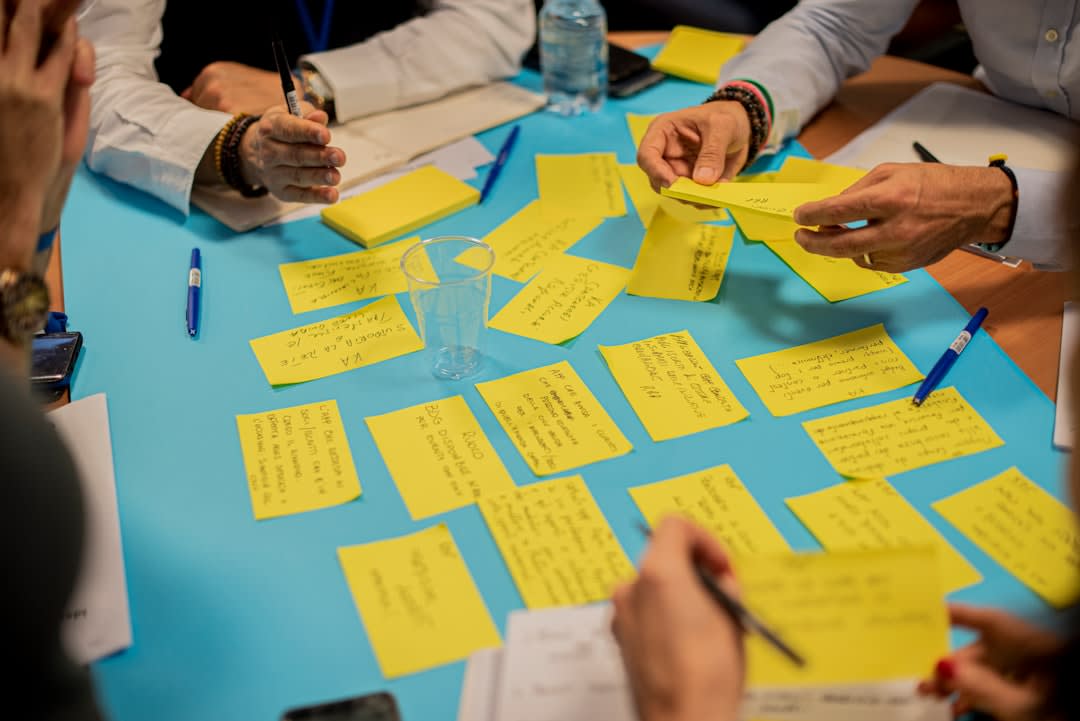
In an age where AI can process data and generate insights swiftly, the ability to think critically has never been more important. Mentors play a pivotal role in cultivating this skill, helping mentees navigate the complexities of AI technologies and their implications.
Critical thinking involves analyzing information, evaluating evidence, and making reasoned decisions. In the context of AI, this means understanding how algorithms work, recognizing biases, and questioning the ethical considerations of AI applications. Mentors guide learners in asking the right questions, challenging assumptions, and exploring alternative perspectives.
For example, when working on a project involving AI-driven predictive analytics, a mentor might encourage their mentee to consider the sources of data, potential biases in the model, and the ethical implications of the predictions. This kind of guidance ensures that AI is used responsibly and that its outputs are interpreted with a critical eye.
Furthermore, critical thinking extends beyond technical knowledge. It encompasses understanding the societal impact of AI and advocating for ethical practices. Mentors who emphasize critical thinking prepare their mentees to become leaders in the tech industry, capable of driving innovation while upholding ethical standards.
As AI continues to shape the future of work and education, the need for critical thinkers who can navigate these changes is paramount. Mentors who prioritize critical thinking equip their mentees with the skills to thrive in a world where AI is a ubiquitous presence.
Real-World Examples of Effective AI Mentorship

Effective mentorship in the AI age is not just theoretical; it's happening in real-world scenarios across various industries. By examining these examples, we can gain insights into how mentorship practices are evolving to meet the demands of a tech-driven world.
One notable example is the mentorship program at a leading tech company where senior engineers mentor new hires on AI projects. These mentors provide guidance on technical aspects such as model selection and optimization while also emphasizing the importance of understanding the business context and user impact. This dual focus ensures that new engineers develop both technical and strategic thinking skills.
In academia, universities are integrating AI into their curricula with mentorship programs that pair students with industry professionals. These mentors offer insights into real-world applications of AI, helping students understand how theoretical knowledge translates into practice. This hands-on experience is invaluable, providing students with a competitive edge in the job market.
Furthermore, online platforms are leveraging AI to match mentors and mentees based on skills, interests, and goals. This AI-driven approach enhances the effectiveness of mentorship by ensuring that relationships are well-aligned and mutually beneficial. However, the human element remains crucial, as mentors provide the empathy, encouragement, and personal insights that foster a deep and meaningful mentoring relationship.
These real-world examples demonstrate that effective mentorship in the AI age is a blend of technology and human connection. By leveraging AI tools alongside traditional mentoring practices, organizations and educational institutions can create environments where learners thrive.
Integrating AI into Mentorship Practices

Integrating AI into mentorship practices offers numerous benefits, from enhancing learning experiences to increasing accessibility. However, it also requires careful consideration to ensure that the human aspects of mentorship are not overshadowed by technology.
AI can be utilized to streamline administrative tasks, such as scheduling meetings, tracking progress, and providing feedback. This allows mentors to focus more on the personal and professional development of their mentees. For instance, AI-driven analytics can provide insights into a mentee's learning habits, strengths, and areas for improvement, enabling mentors to tailor their guidance effectively.
Moreover, AI can facilitate remote mentorship, connecting mentors and mentees across geographical boundaries. This expands the pool of available mentors, ensuring that learners have access to diverse perspectives and expertise. However, it's important to maintain personal interaction through video calls or in-person meetings to foster a genuine mentoring relationship.
Incorporating AI tools into mentorship also presents an opportunity to teach mentees about AI technologies. Mentors can guide learners in understanding how AI works, its applications, and its limitations, providing a practical context for their technical education. This dual focus on mentorship and AI education is crucial for preparing the next generation of tech professionals.
Ultimately, integrating AI into mentorship practices requires a delicate balance. Technology should enhance, not replace, the human connection that is at the heart of effective mentorship. By thoughtfully combining AI tools with traditional mentoring approaches, we can create a more dynamic and impactful learning environment.
The Future of Mentorship in a Tech-Driven World

As we look to the future, the role of mentorship in a tech-driven world will continue to evolve. AI technologies will undoubtedly play a significant role in shaping this evolution, but the core principles of mentorship—human connection and critical thinking—will remain essential.
The future of mentorship will likely involve a more personalized and adaptive approach, leveraging AI to tailor guidance to individual needs and learning styles. However, this personalization must be balanced with the cultivation of critical thinking and ethical considerations. Mentors will need to guide learners in navigating the complexities of AI technologies while encouraging them to think beyond the algorithms.
Moreover, the future of mentorship will likely see greater emphasis on interdisciplinary learning. As AI continues to integrate into various fields, mentors will need to foster cross-disciplinary skills, encouraging mentees to apply AI knowledge in diverse contexts such as healthcare, finance, and environmental conservation. For instance, understanding the impact of AI on marine conservation efforts could be explored through interdisciplinary mentorship, similar to how tech advancements are integrated into environmental studies, as discussed in our article Unveiling a Thriving Coral Reef: A New Hope for Marine Conservation.
In conclusion, the future of mentorship in a tech-driven world will be defined by the integration of AI with traditional mentoring practices. By embracing friction as a feature, not a bug, we can create a mentoring ecosystem that prepares learners to thrive in an AI-enhanced future.
Conclusion: Embrace Friction for Growth

As we navigate the complexities of the AI age, it's crucial to recognize that friction in mentorship is not a hindrance but a catalyst for growth. By embracing challenges and obstacles, mentors can foster resilience, critical thinking, and human connection in their mentees. This approach ensures that learners are not only equipped with technical skills but also prepared to make meaningful contributions in a tech-driven world.
Mentorship in the AI age is about striking a balance between leveraging AI tools and maintaining the essential elements of human interaction. By doing so, we can create a dynamic learning environment where tech professionals thrive, innovate, and lead with integrity.
FAQ
- What is the role of AI in modern mentorship?
AI plays a supportive role in modern mentorship by providing personalized learning experiences, automating administrative tasks, and facilitating remote connections. However, human mentors remain essential for providing empathy, context, and critical insights.
- How can mentors cultivate critical thinking in mentees?
Mentors can cultivate critical thinking by encouraging mentees to question assumptions, analyze information, and explore ethical implications. This involves guiding them in understanding AI technologies and their broader societal impact.
- Why is human connection important in AI mentorship?
Human connection is vital in AI mentorship as it fosters a sense of community, empathy, and support. Mentors provide personal insights and encouragement that AI tools cannot replicate, ensuring a well-rounded learning experience.
- Can AI replace human mentors?
No, AI cannot replace human mentors. While AI can enhance learning through personalization and efficiency, human mentors offer emotional support, context, and critical thinking guidance that are irreplaceable.
- How does AI impact the future of mentorship?
AI impacts the future of mentorship by enabling more personalized and adaptive learning experiences. However, the core principles of mentorship—human connection and critical thinking—remain essential for effective learning.
- What are the challenges of integrating AI into mentorship?
Challenges include maintaining the human elements of mentorship, ensuring ethical use of AI, and balancing technological efficiency with the need for critical thinking and personal interaction.
Tags
Amzsoft Innovexa
Engineering and delivery notes from the Amzsoft Innovexa team — fintech platforms, AI automation, and product engineering.