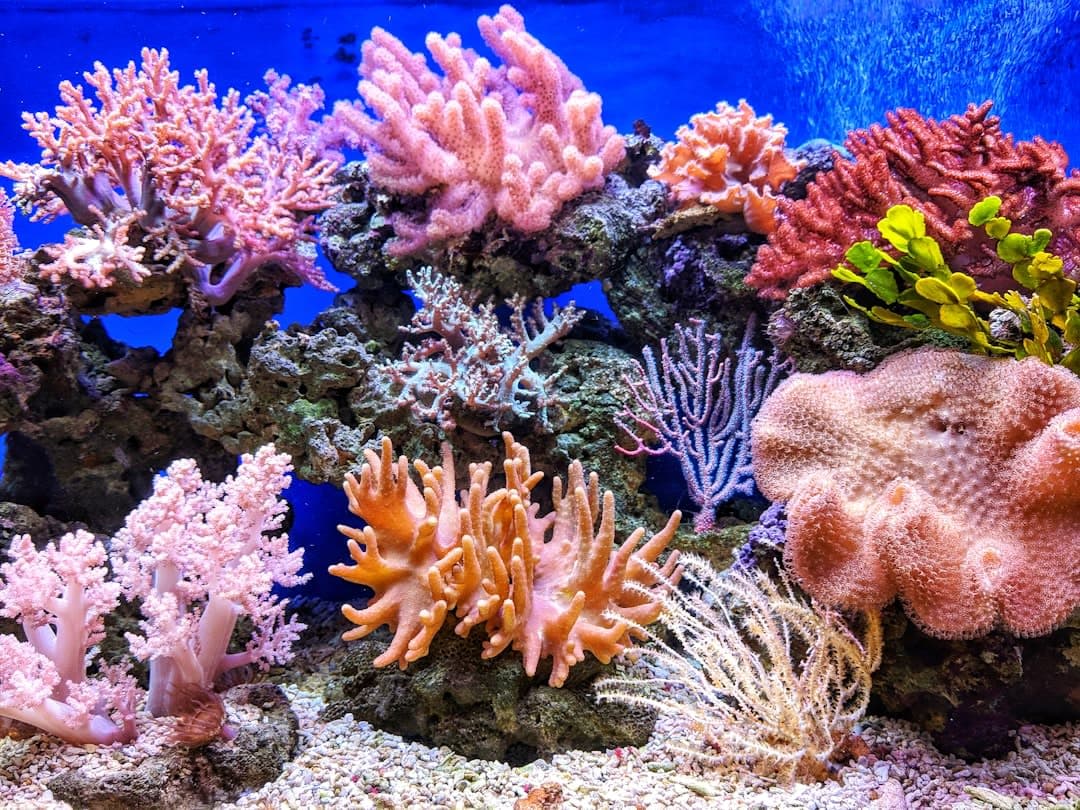
Thriving Coral Reef Discovery: A Beacon for Marine Conservation
The discovery of a vibrant coral reef, long presumed dead, has sent waves of excitement and optimism through the scientific and entrepreneurial communities. This finding not only challenges previous assumptions about marine ecosystems' resilience but also opens new avenues for climate change mitigation and sustainable business practices. As entrepreneurs and business leaders increasingly seek to align their operations with environmental goals, understanding the implications of this ecological find is crucial. This comprehensive article delves into the significance of this discovery, its impact on marine conservation strategies, and the potential lessons for entrepreneurial innovation in sustainability.
The Unexpected Coral Reef Discovery
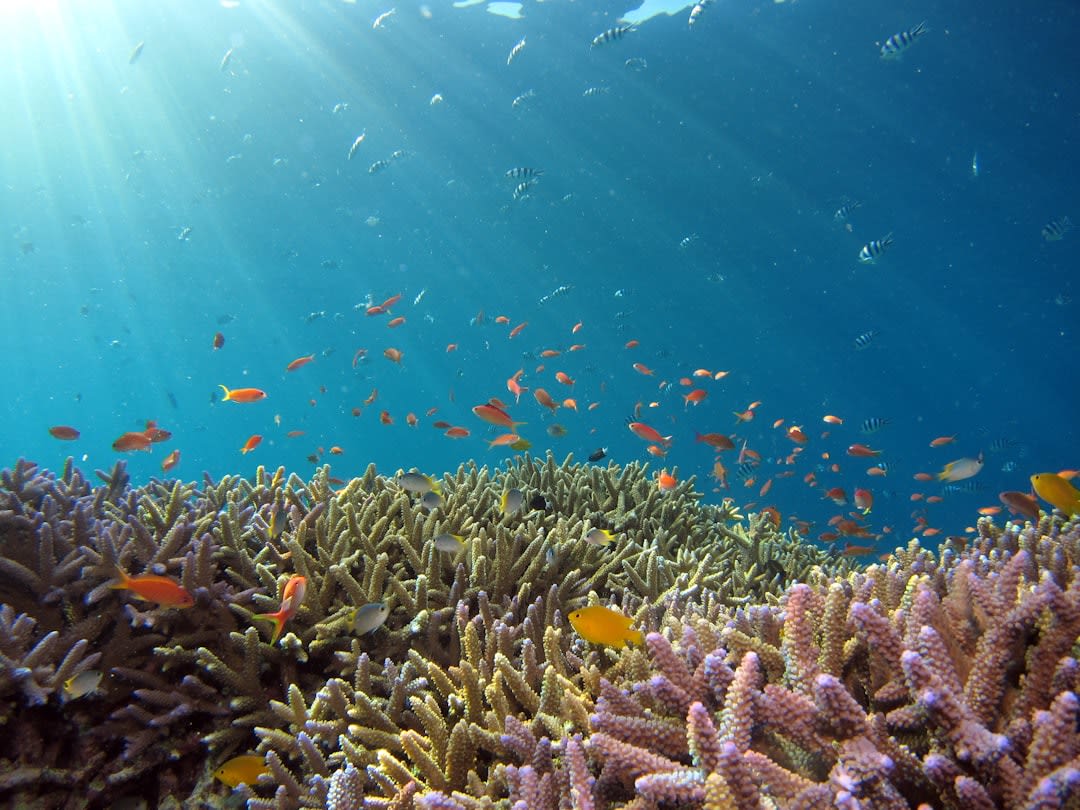
In a seemingly miraculous turn of events, a coral reef believed to be extinct has been found thriving in an unexpected location. This discovery, made by a team of marine biologists utilizing advanced sonar mapping technologies, has sparked renewed hope for the resilience of marine ecosystems. The reef, located in a remote part of the ocean, has shown vibrant coral growth and a healthy marine life population, challenging the long-held belief that it had succumbed to environmental pressures.
Technological Advances in Marine Exploration
The role of technology in discovering this coral reef cannot be overstated. The use of state-of-the-art sonar mapping and satellite imaging technologies allowed researchers to explore previously inaccessible ocean depths. These tools have highlighted the potential for technology to revolutionize marine research, offering precise data collection methods that minimize human impact on delicate ecosystems. For entrepreneurs, this underscores the importance of investing in innovative technologies that can drive sustainable practices.
Real-World Implications and Case Studies
Consider the Great Barrier Reef, which has been extensively studied and monitored. Despite facing significant bleaching events, it has shown pockets of recovery attributed to conservation efforts and natural resilience. This new discovery provides a similar narrative, suggesting that with the right conditions and interventions, coral ecosystems can rebound from severe stressors.
For instance, the implementation of marine protected areas (MPAs) around vulnerable reefs has resulted in notable recovery trends. These MPAs restrict activities such as fishing and tourism, allowing ecosystems to recuperate. This strategy could be adapted to other regions, leveraging the lessons from this coral reef find to design effective conservation policies globally.
Implications for Climate Change Mitigation

Coral reefs play a pivotal role in carbon sequestration, acting as natural carbon sinks that mitigate the effects of climate change. The resurgence of a coral reef previously thought dead underscores their potential in climate change mitigation strategies. This discovery invites a re-evaluation of how we perceive and utilize natural resources in our fight against global warming.
Carbon Sequestration and Ocean Health
Healthy coral reefs contribute significantly to carbon storage, with estimates suggesting they sequester approximately 70-90 million tons of carbon dioxide annually. This process not only helps in reducing atmospheric CO2 levels but also enhances ocean health, promoting biodiversity. Entrepreneurs in the environmental sector can explore business opportunities in carbon offset initiatives that support coral reef conservation.
Case Studies in Sustainable Practices
Several startups have already begun capitalizing on the potential of coral reefs to combat climate change. Companies like Coral Vita are pioneering methods to grow resilient corals that can be transplanted into degraded reefs, thereby enhancing carbon capture and biodiversity. These initiatives highlight the intersection of innovation and sustainability, offering a model for other businesses to follow in their environmental strategies.
Moreover, this discovery aligns with broader trends in sustainability, where businesses are increasingly required to account for their environmental impact. Initiatives such as the Ocean Cleanup project, which aims to remove plastic pollution from oceans, demonstrate the potential for entrepreneurial ventures to contribute to marine conservation while also addressing climate challenges.
Marine Conservation Strategies in Light of New Findings
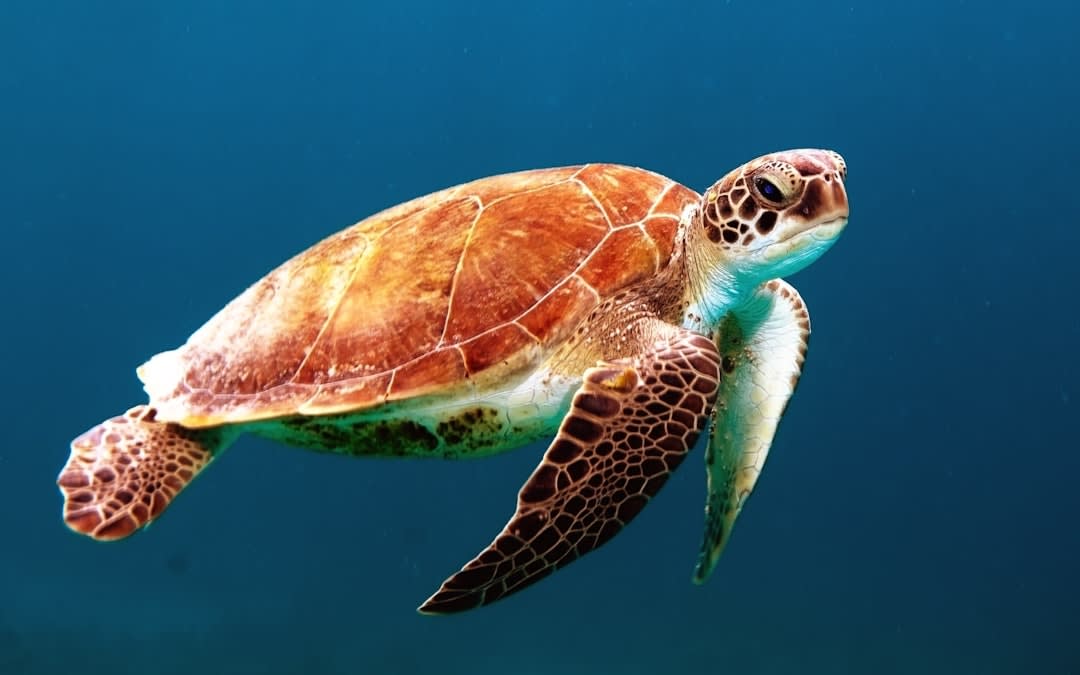
The thriving coral reef discovery has significant implications for marine conservation strategies. It suggests that there is still much to learn about the resilience of marine ecosystems and the factors that contribute to their survival. This newfound understanding can inform and enhance conservation policies, leading to more effective and targeted interventions.
Adaptive Management and Policy Innovation
Adaptive management, a flexible approach to conservation that adjusts strategies based on real-time data and outcomes, can greatly benefit from this discovery. The success of the newly found reef can inform policies that prioritize ecosystem adaptability and resilience. For instance, adjusting fishing quotas based on coral health indicators or implementing seasonal tourism restrictions could help maintain ecological balance.
Governments and NGOs can use this model to refine existing conservation frameworks, integrating adaptive management principles to respond dynamically to environmental changes. This approach is akin to DevOps practices in software development, where iterative feedback loops lead to continuous improvement and innovation.
Engaging Stakeholders in Conservation Efforts
Engaging local communities and stakeholders is essential for successful conservation efforts. The newfound coral reef can serve as a case study for collaborative conservation, where scientists, policymakers, and local populations work together to protect marine ecosystems. Programs that educate and involve local communities in monitoring and protecting reefs can foster a sense of ownership and responsibility, leading to more sustainable outcomes.
Economic Opportunities and Entrepreneurial Innovation

The unexpected discovery of a thriving coral reef offers numerous economic opportunities, particularly for entrepreneurs looking to innovate in the sustainability space. The intersection of environmental conservation and business innovation presents a unique landscape for developing products and services that support reef health while driving economic growth.
Sustainable Tourism and Eco-Entrepreneurship
Sustainable tourism is a burgeoning field that can benefit from this coral reef discovery. Entrepreneurs can develop eco-friendly tourism models that prioritize reef conservation while offering unique experiences to travelers. This could include guided diving tours that educate visitors about reef ecosystems or resorts that implement sustainable practices to minimize their environmental footprint.
For example, eco-lodges in the Maldives have successfully attracted tourists by offering sustainable luxury experiences that highlight the natural beauty of coral reefs. Such models can be replicated in other regions, providing a blueprint for balancing economic and environmental goals.
Innovative Solutions for Reef Restoration
The development of innovative solutions for coral reef restoration presents another entrepreneurial opportunity. Technologies such as 3D-printed coral structures and AI-driven monitoring systems can enhance restoration efforts, providing scalable solutions for global reef conservation challenges. Entrepreneurs can explore partnerships with research institutions to develop and commercialize these technologies, driving both environmental and economic benefits.
Moreover, this aligns with trends in open-source AI and tech-driven solutions, where collaboration and technological advancements lead to impactful environmental outcomes.
The Role of Entrepreneurs in Marine Conservation
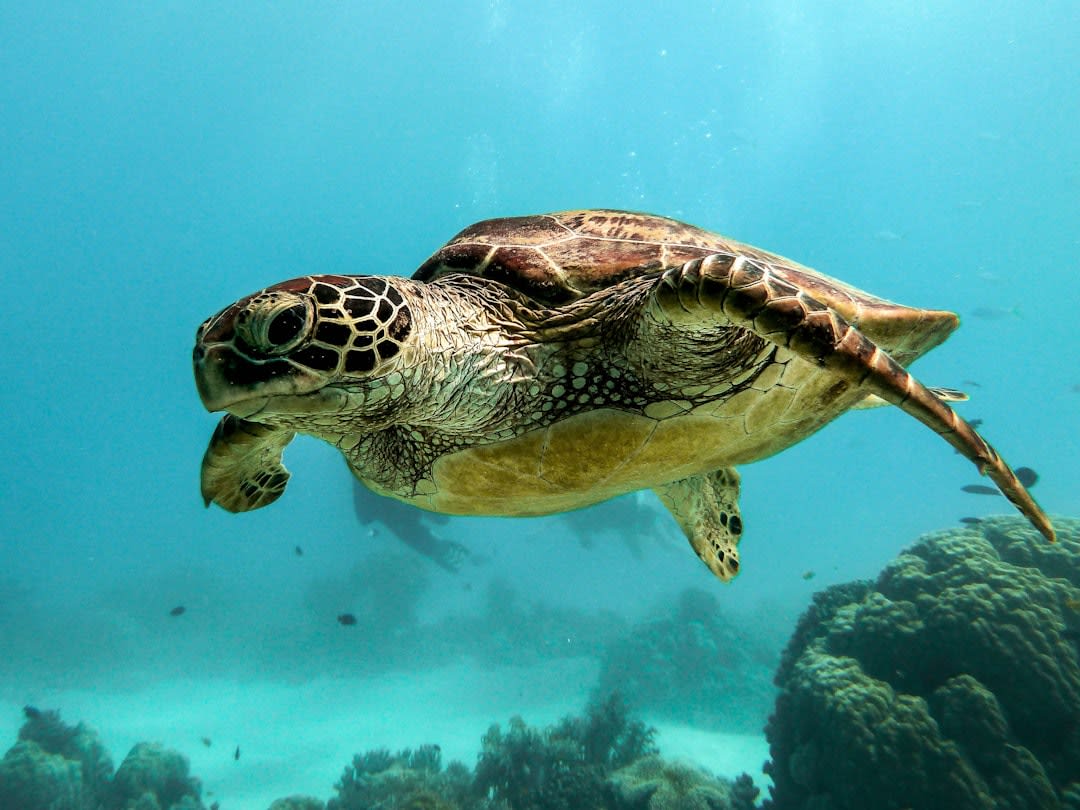
Entrepreneurs have a vital role to play in advancing marine conservation efforts. By leveraging innovation and strategic thinking, they can develop solutions that address both environmental and economic challenges. The discovery of a thriving coral reef highlights the need for entrepreneurial involvement in conservation initiatives, offering a platform for creative and impactful interventions.
Investing in Marine Research and Development
Investment in marine research and development is crucial for advancing our understanding of coral ecosystems and developing effective conservation strategies. Entrepreneurs can lead the charge by funding research initiatives or collaborating with academic institutions to drive innovation in this field. This investment not only supports sustainability but also positions businesses as leaders in environmental stewardship.
Creating Sustainable Business Models
Developing sustainable business models that prioritize environmental impact is essential for long-term success. Entrepreneurs can draw inspiration from the coral reef discovery to create products and services that align with conservation goals. This could involve developing eco-friendly products, implementing sustainable supply chain practices, or creating platforms that promote environmental education and awareness.
Such approaches are similar to those discussed in business innovation, where sustainability and economic viability go hand-in-hand, driving positive change across industries.
FAQs
-
What makes the newly discovered coral reef significant?
The discovery is significant because it challenges previous assumptions about coral resilience and provides insights into potential conservation strategies.
-
How can entrepreneurs benefit from this coral reef discovery?
Entrepreneurs can explore opportunities in sustainable tourism, eco-friendly products, and innovative reef restoration technologies.
-
What role does technology play in marine conservation?
Technology is crucial for mapping, monitoring, and restoring coral reefs, offering precise data collection and innovative solutions for conservation challenges.
-
How does the coral reef discovery impact climate change strategies?
Coral reefs act as carbon sinks, contributing to carbon sequestration efforts and highlighting the importance of marine conservation in climate strategies.
-
What are some examples of successful coral reef conservation initiatives?
Examples include marine protected areas, community-based conservation programs, and technological innovations in coral restoration.
-
How can local communities be involved in coral reef conservation?
Local communities can be engaged through educational programs, citizen science initiatives, and collaborative conservation efforts.
-
What are the economic opportunities associated with coral reef conservation?
Economic opportunities include sustainable tourism, eco-entrepreneurship, and the development of technologies for reef restoration.
-
How can businesses incorporate sustainability into their operations?
Businesses can adopt sustainable practices by reducing their environmental footprint, investing in eco-friendly innovations, and aligning operations with conservation goals.
The discovery of a thriving coral reef serves as a powerful reminder of nature's resilience and the potential for innovative conservation strategies. By exploring the implications of this find, entrepreneurs and business leaders can drive positive change, aligning their operations with environmental goals and contributing to global sustainability efforts. The intersection of technology, innovation, and conservation offers a unique opportunity for businesses to lead the charge in protecting our planet's vital ecosystems.
Tags
Amzsoft Innovexa
Engineering and delivery notes from the Amzsoft Innovexa team — fintech platforms, AI automation, and product engineering.