The Privacy Problems Hidden in Your Period Tracker
Period tracking apps have become indispensable tools for millions of women globally, offering insights into menstrual cycles, fertility windows, and general health indicators. However, beneath the convenience lies a web of privacy concerns that can significantly impact users' personal data security. This comprehensive guide delves into the often-overlooked privacy risks associated with popular period tracking apps and provides actionable strategies for users to safeguard their personal information.
The Rise of Period Tracking Apps and Their Data Collection Practices
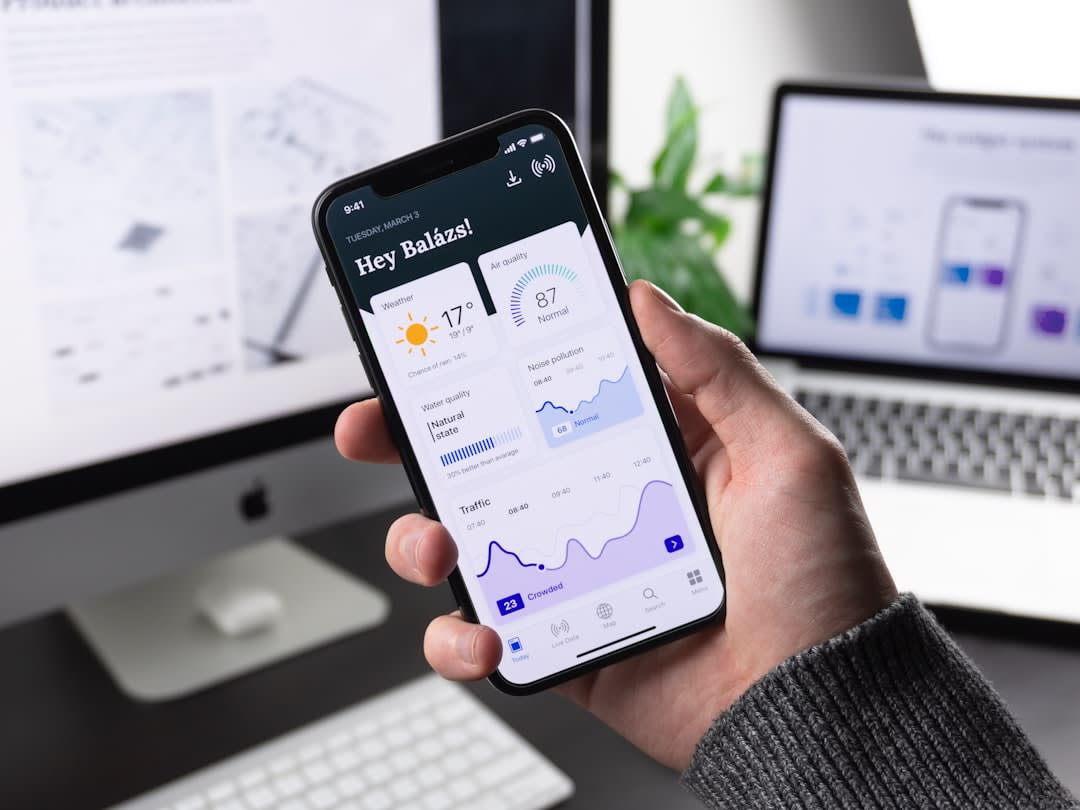
With over 100 million downloads, period tracking apps such as Flo, Clue, and Period Calendar have transformed how women monitor their menstrual health. These apps collect a wealth of data—from cycle dates and symptoms to sexual activity and mood patterns. While this data can empower users by providing personalized health insights, it also raises significant privacy concerns regarding how this sensitive information is used and protected.
Most period trackers require users to input personal details, which are then stored in the app's database. However, studies have shown that many of these applications have inadequate privacy policies, often lacking transparency about data sharing practices. For instance, a study by the Oslo-based organization, Sintef, revealed that several health apps shared user data with third parties for targeted advertising without explicit user consent.
Case studies highlight how breaches in these apps can lead to significant privacy violations. In 2019, the popular app Flo Health faced allegations of sharing sensitive user data with third parties, including Facebook, a violation of user trust and privacy. Such incidents underscore the critical need for robust privacy practices in the digital health sector.
Understanding the Legal Landscape: GDPR and HIPAA

Regulations such as the General Data Protection Regulation (GDPR) in Europe and the Health Insurance Portability and Accountability Act (HIPAA) in the United States are designed to protect personal data. Yet, many period tracking apps fall into a gray area where these regulations might not fully apply, or their enforcement is inconsistent.
GDPR mandates that companies must obtain explicit consent from users before collecting and processing personal data. It also grants users the right to access their data and request its deletion. However, compliance varies, and some apps subtly bypass these regulations through complex terms of service that users often accept without thorough understanding.
On the other hand, HIPAA applies primarily to health data handled by healthcare providers and does not typically cover consumer health apps directly. This gap means that while your medical records at a hospital are protected, the same level of protection might not extend to data in a period tracker app.
To fully understand these protections, users should familiarize themselves with the privacy policies of their chosen apps and assess whether these policies align with GDPR or HIPAA standards. Moreover, cybersecurity professionals advocate for a proactive approach, urging users to regularly review app permissions and data-sharing settings.
Technical Vulnerabilities in Period Trackers

Beyond regulatory challenges, period tracking apps face technical vulnerabilities that can expose user data to unauthorized access. Cybersecurity experts have identified common security flaws in these apps, including inadequate encryption, insecure data storage, and unprotected API endpoints.
For example, some apps store data locally on users' devices without proper encryption, making it accessible to anyone with physical access to the device. Additionally, unsecured API endpoints can become potential vectors for cyberattacks, allowing hackers to intercept data transmitted between the app and its servers.
Real-world examples illustrate these vulnerabilities. In 2020, researchers discovered vulnerabilities in the popular app Glow, which exposed users' personal and health data due to poor API security. Such incidents highlight the importance of robust security measures, such as end-to-end encryption and secure coding practices, which should be integral to app development.
For companies developing health apps, adopting DevOps best practices can enhance security by integrating security measures into the software development lifecycle, ensuring vulnerabilities are addressed promptly and effectively.
The Role of Third-Party Data Sharing
Third-party data sharing is a prevalent practice where period tracking apps share user data with external partners for purposes such as analytics, advertising, or research. While app developers argue that such practices enhance user experience and app functionality, they often compromise user privacy.
Many users are unaware of the extent to which their data is shared. A 2018 study by Privacy International found that several health apps, including period trackers, shared data with Facebook the moment a user opened the app, regardless of whether they had a Facebook account. This data could include behavioral insights, which are then used for targeted advertising.
To mitigate these privacy risks, users can take proactive steps such as:
- Reviewing app permissions and disabling unnecessary ones.
- Utilizing apps that offer robust privacy settings, allowing users to opt-out of data sharing.
- Regularly updating apps to ensure the latest security patches are applied.
Moreover, privacy-conscious users can consider using open-source alternatives that prioritize transparency and user control over data. This approach aligns with the growing trend towards open-source innovations in the tech industry, which emphasize user empowerment and ethical data practices.
Protecting Your Data: Practical Steps for Users
For users concerned about privacy, there are several strategies to enhance data protection while using period tracking apps. First, selecting apps with strong privacy reputations and transparent data policies is crucial. Users should seek out apps that have been independently audited or certified by privacy organizations.
Additionally, employing strong passwords and enabling two-factor authentication can significantly enhance security. Users should also be cautious about the information they choose to enter into these apps, avoiding overly detailed personal data where possible.
For those interested in more technical solutions, using VPNs can obscure internet traffic, making it more difficult for third parties to track online activities. Moreover, regularly clearing app data and cookies can reduce the amount of information stored on devices.
Finally, staying informed about the latest developments in app security and privacy can help users make informed choices. For instance, exploring resources like our future trends guide can provide insights into evolving privacy technologies and practices.
Conclusion
The convenience of period tracking apps comes with significant privacy challenges that require careful consideration and proactive management. By understanding the data collection practices, legal frameworks, and technical vulnerabilities of these apps, users can better protect their personal information. By adopting privacy-centric habits and staying informed about the latest security developments, users can enjoy the benefits of digital health tools without compromising their privacy.
FAQs
- What data do period trackers typically collect?
Period trackers collect a range of data including menstrual cycle dates, symptoms, mood patterns, sexual activity, and health indicators. This data is used to provide personalized insights and predictions about menstrual health.
- How can I tell if a period tracker app is secure?
Look for apps with clear privacy policies, strong encryption practices, and regular security audits. User reviews and independent assessments can also provide insights into an app's security reputation.
- Are there any period tracker apps that prioritize user privacy?
Yes, some apps like Clue and Natural Cycles emphasize data privacy and offer features that allow users to control data sharing. Open-source options are also available for those seeking greater transparency.
- Can using a VPN help protect my data on period trackers?
Yes, a VPN can help obscure your internet traffic, making it more difficult for third parties to track your online activities, including data sent from period tracking apps.
- What should I do if I suspect my data has been compromised?
Immediately change passwords, enable two-factor authentication, and contact the app provider for assistance. You may also need to monitor your accounts for unusual activity and consider reporting the breach to relevant authorities.
- Why do period trackers share data with third parties?
Many apps share data with third parties for purposes such as analytics and advertising, which can help improve app functionality and user experience. However, this practice can compromise user privacy if not managed transparently.
- How does GDPR protect users of period tracking apps?
GDPR requires explicit user consent for data collection and processing and grants rights to access and delete personal data. Compliance varies, so users should ensure their chosen app aligns with GDPR standards.
- Are there alternatives to traditional period tracking apps?
Yes, open-source apps and manual tracking methods are alternatives that can offer greater privacy control, as they often involve less data sharing and provide transparency in data handling practices.
Tags
Amzsoft Innovexa
Engineering and delivery notes from the Amzsoft Innovexa team — fintech platforms, AI automation, and product engineering.