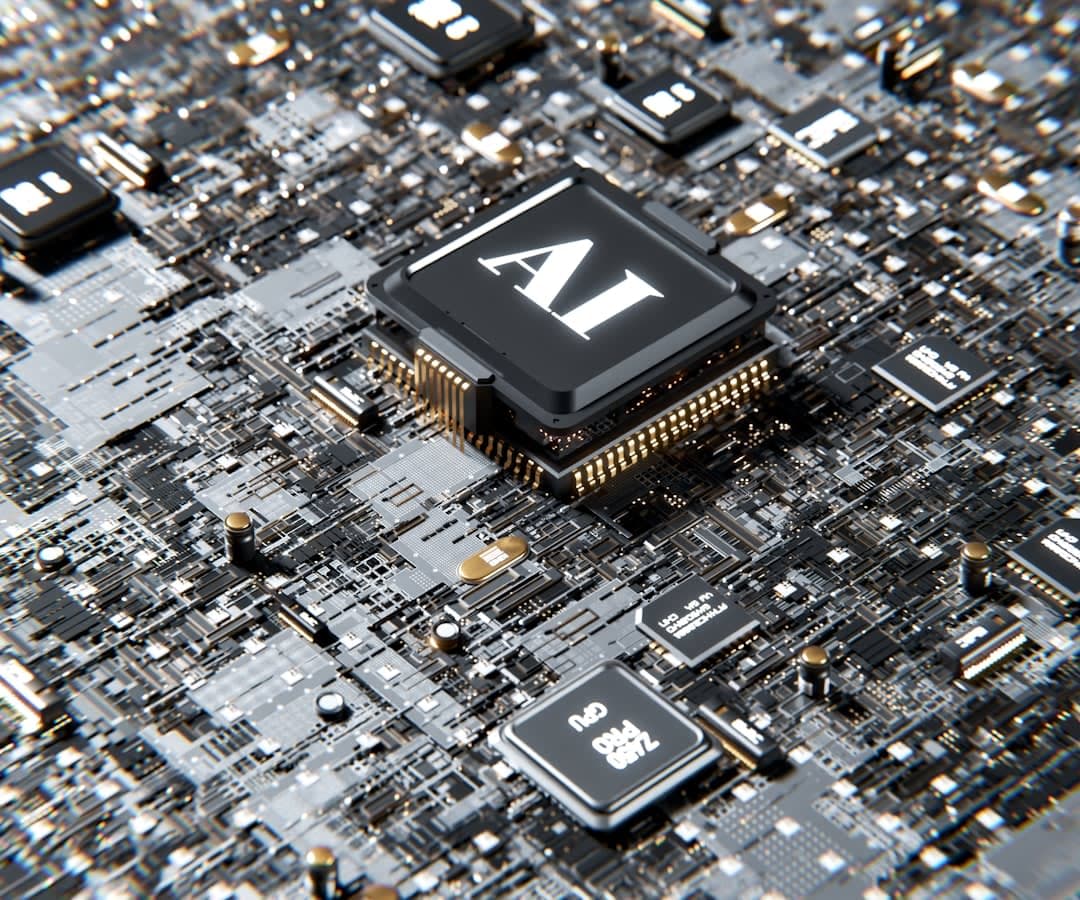
The Role of AI in Revolutionizing Radio Chip Design
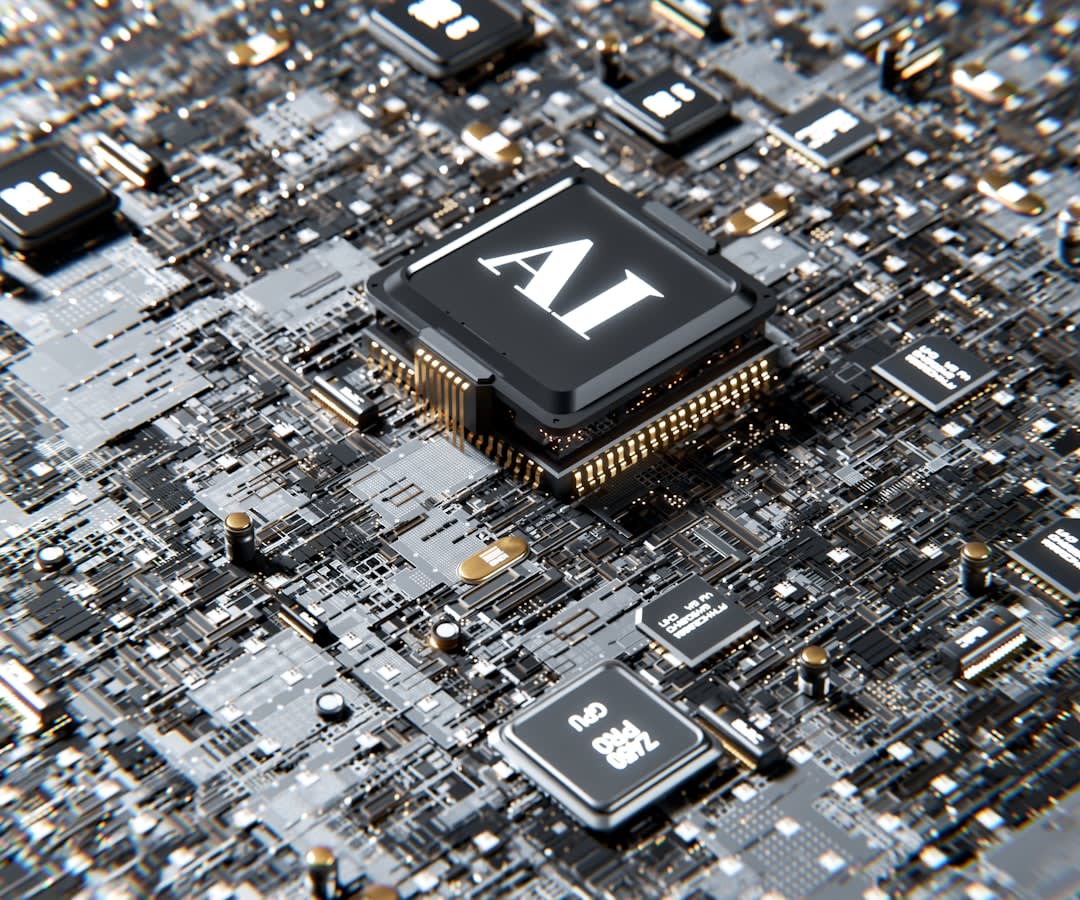
Imagine a world where radio chips are designed not by human engineers painstakingly iterating over prototypes, but by artificial intelligence (AI) systems creating flawless designs in record time. This is not a distant dream; it's happening now, marking a new era in radio chip design.
AI is streamlining complex processes, enabling innovations previously thought impossible. By leveraging machine learning algorithms, AI optimizes the design process, reducing errors and cutting down development time significantly. This has profound implications for tech startups and established companies alike, offering unprecedented opportunities for innovation in technology.
Why AI Matters in Hardware Design
AI in hardware design is more than just a trend; it's a transformative force. Traditional design methods involve countless iterations and human oversight, often leading to delays and increased costs. AI, however, can quickly analyze vast datasets to identify optimal design paths, thereby accelerating development cycles.
Consider how open-source technologies have democratized software development. Similarly, AI democratizes hardware design by making cutting-edge innovations accessible to even small-scale startups.
AI-Driven Innovations: Making Complex Designs Accessible
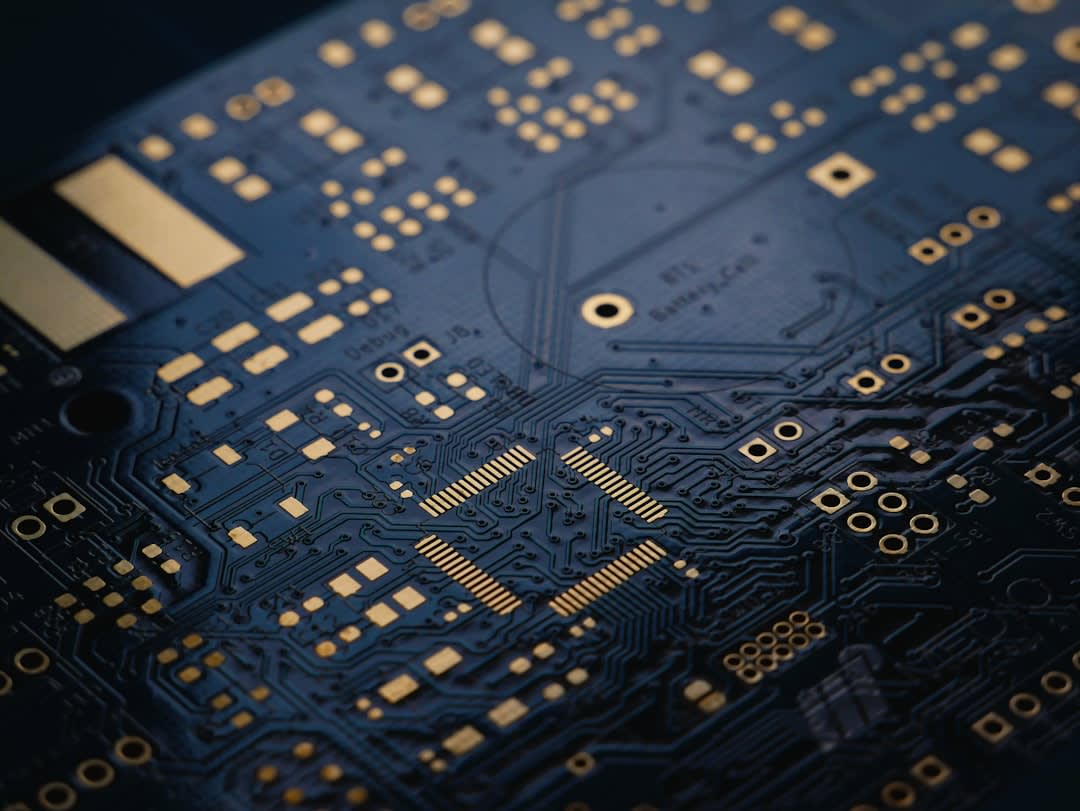
AI isn't just speeding up the design process; it's opening doors to complex innovations by simplifying them. Through advanced algorithms, AI can predict performance outcomes and suggest design alterations that a human eye might miss.
For example, AI can optimize antenna designs in radio chips, which traditionally required extensive trial and error. This level of precision allows for more efficient chips that consume less power and offer better performance, critical factors in the rapidly expanding Internet of Things (IoT) market.
Practical Applications and Real-World Impact
Radio chips designed with AI are already making waves across various industries. From telecommunications to automotive, these chips are enhancing connectivity and operational efficiency. In the automotive sector, AI-enhanced chips are pivotal in developing advanced driver-assistance systems, aligning with innovations discussed in our Ford's AI Challenges article.
Moreover, as AI continues to evolve, its role in hardware design will expand, impacting sectors like aviation, where companies like Southwest Airlines are already leveraging AI and cloud technologies for innovation.
Implications for Tech Development

The integration of AI in radio chip design is not just a technological advancement; it's a catalyst for broader tech development. By reducing design times and improving efficiency, AI empowers companies to allocate resources to other areas of innovation, such as AI applications in elections or enhancing cybersecurity strategies.
Additionally, the use of AI in hardware design aligns with ethical considerations, as discussed in our article on AI investments in US elections. As AI's role expands, balancing innovation with ethical responsibility becomes crucial.
Future Prospects and Challenges
While AI brings numerous benefits, it also poses challenges, such as ensuring the correctness of AI-generated designs. Developers must remain vigilant to avoid potential pitfalls, much like those highlighted in our piece on AI code generation risks.
Looking forward, as AI technologies mature, the potential for even more sophisticated radio chip designs will grow, leading to advancements we can only begin to imagine today.
Conclusion: Embracing the AI-Driven Future

The future of radio chip design is unquestionably AI-driven. As industries continue to embrace these innovations, developers and engineers are poised to unlock new levels of efficiency and creativity. By leveraging AI, the tech industry is enhancing its capabilities and setting the stage for groundbreaking advancements across all sectors.
As we navigate this new era, the intersection of AI and radio chip design will serve as a beacon of technological progress, urging us to explore the limitless possibilities of AI applications.
Tags
69ee7b2435e609f0fcf89840
Content creator and technology enthusiast sharing insights on the latest trends and best practices.