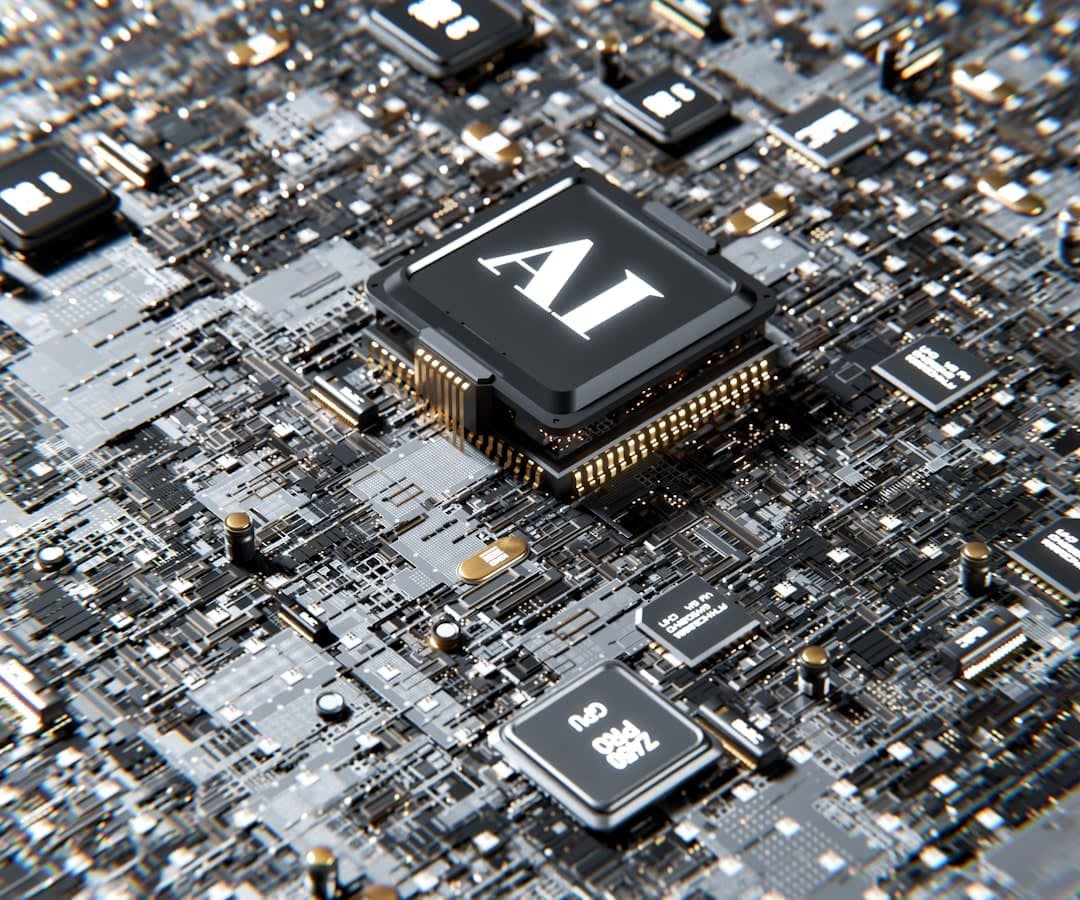
AI's Revolutionary Role in RFIC Design
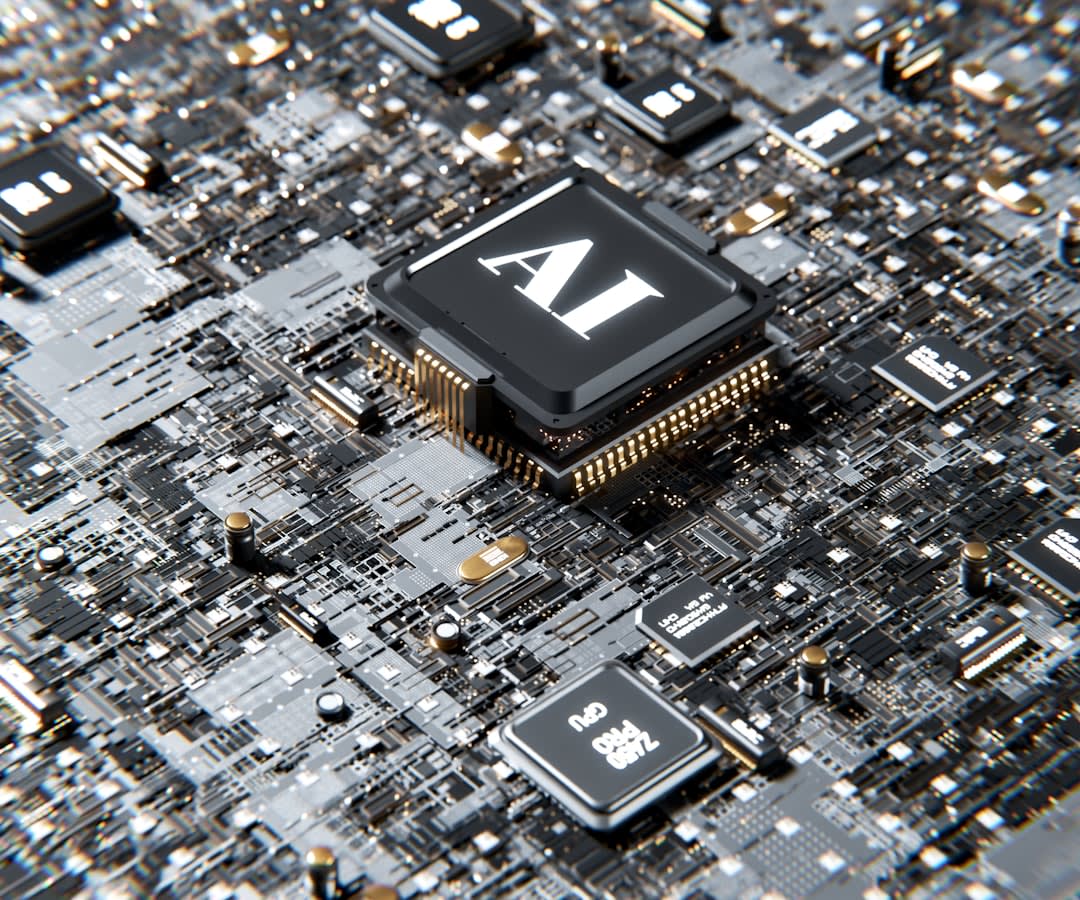
Artificial Intelligence (AI) is reshaping the landscape of hardware innovation, particularly in the realm of Radio Frequency Integrated Circuits (RFICs). Unlike traditional methods, AI-driven design processes can explore vast design spaces and generate innovative solutions that human engineers might overlook. This breakthrough is not just theoretical; it's paving the way for a new era in radio chip design that promises to enhance performance and efficiency.
Beyond Human Capability
AI's application in RFIC design allows for more complex and efficient circuits. These designs often surpass human creativity, tackling RFIC challenges like power consumption and signal interference in ways never before possible. This capability stems from AI's ability to process and analyze vast data sets, identifying patterns and solutions that might take human teams years to uncover.
Implications of AI for Hardware Development
The integration of AI in hardware development is not just an enhancement; it's a transformation. By automating complex design processes, AI reduces the time from concept to market, allowing startups and large corporations alike to innovate rapidly. This acceleration is crucial in a competitive market where speed and efficiency can determine success.
Potential Applications of AI-Designed RFICs
The applications of AI-designed RFICs are vast. In telecommunications, these chips can enhance network efficiency and bandwidth. In the automotive industry, they can improve vehicle connectivity and sensor accuracy. Even in consumer electronics, AI-designed RFICs can lead to more energy-efficient devices, extending battery life and reducing heat generation.
Furthermore, AI's role in hardware innovation intersects with other fields. For instance, open-source developments in fintech might benefit from AI-driven RFICs by enhancing data transmission security and speed.
Challenges and Considerations in AI-Driven RFIC Design
Despite its advantages, AI-driven RFIC design presents several challenges. One major concern is the reliability of AI-generated designs. Ensuring that these designs meet industry standards and function correctly is critical. Developers must implement rigorous testing protocols to verify AI outcomes.
Ethical and Security Concerns
There are also ethical implications to consider. AI's decision-making processes can be opaque, raising questions about accountability and transparency. Additionally, the integration of AI in critical infrastructure like telecommunications may introduce security vulnerabilities, echoing concerns seen in software development arenas.
The Future of AI in Hardware Innovation

AI's potential to revolutionize hardware innovation is immense. As AI technologies continue to evolve, their integration into RFIC design will likely become more seamless, leading to even more groundbreaking innovations. For developers and engineers, staying informed and adaptive to these changes is crucial.
The journey of AI in hardware design is just beginning, and its trajectory promises a future where technology is more efficient, creative, and capable than ever before.
Tags
69ee7b2435e609f0fcf89840
Content creator and technology enthusiast sharing insights on the latest trends and best practices.