AI and Jobs: Separating Hyperbole from Reality
In today's rapidly evolving job market, the role of artificial intelligence (AI) is a topic that stirs both excitement and apprehension. As AI technologies continue to advance, their impact on employment is often exaggerated, leading to a myriad of myths and misconceptions. In this article, we will delve into the real influence of AI on the job market, debunking common myths and providing data-driven insights into employment trends and future career opportunities.
The Current Landscape of AI in the Job Market
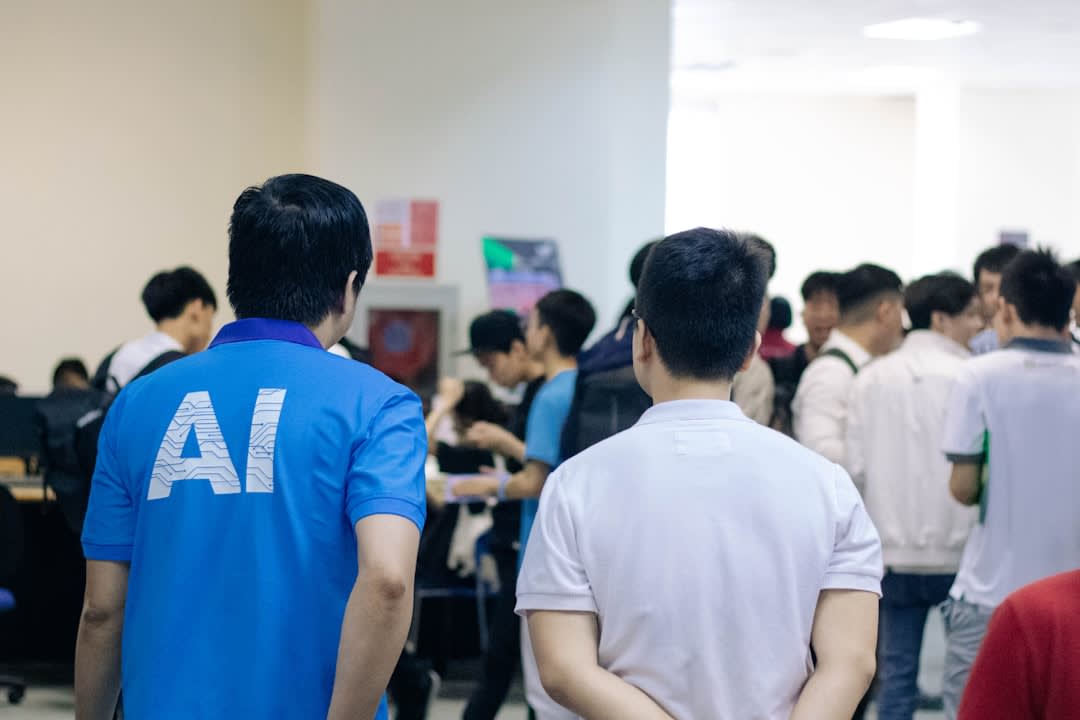
The integration of AI into various industries has sparked a revolution in how businesses operate, influencing job structures significantly. According to a report by McKinsey Global Institute, AI is expected to automate tasks that currently account for about 30% of the hours worked globally. However, this does not necessarily equate to a reduction in jobs. Instead, it often leads to a shift in the nature of jobs, emphasizing the need for new skills and job roles.
For instance, in the manufacturing sector, AI-driven automation has streamlined production processes, reducing the need for labor-intensive tasks. However, it has simultaneously increased demand for roles in AI system maintenance and oversight, highlighting a transition rather than a decline in job opportunities. The World Economic Forum estimates that while 85 million jobs may be displaced by a shift in the division of labor between humans and machines, 97 million new roles may emerge that are more adapted to the new division of labor.
Moreover, industries such as healthcare and finance are witnessing transformative changes due to AI. Automated diagnostic tools and financial analysis algorithms are not replacing human jobs but rather augmenting human capabilities, enabling professionals to focus on more complex and value-added tasks. This shift underscores the need to adapt our workforce to new realities, emphasizing continuous learning and skill development.
Case Study: AI in Healthcare
In healthcare, AI has been instrumental in revolutionizing patient care. AI algorithms can analyze medical images with remarkable accuracy, assisting doctors in diagnosing conditions earlier and more accurately. For example, IBM's Watson for Oncology provides oncologists with evidence-based treatment options, streamlining the decision-making process and improving patient outcomes.
Debunking Myths: What AI Cannot Do

One prevalent myth is that AI will entirely replace human jobs, leading to widespread unemployment. However, this notion overlooks the nuanced role of AI as a tool designed to complement rather than replace human capabilities. While AI excels at processing large datasets and performing routine tasks, it lacks the human touch crucial for roles requiring empathy, creativity, and complex decision-making.
Consider the creative industries such as art and design. AI can assist in generating patterns or editing images, but the creative process remains inherently human. The unique ability of humans to infuse art with emotion and cultural context is something AI cannot replicate. Similarly, roles in customer service, which require emotional intelligence and interpersonal skills, remain primarily human-centric despite advances in chatbot technologies.
Furthermore, AI's decision-making processes are limited by the quality of the data fed into it. In sectors where ethical considerations and nuanced decision-making are paramount, human oversight remains indispensable. This is particularly evident in legal professions where AI can assist with document analysis but cannot replace the strategic thinking and ethical reasoning of a human lawyer.
Real-World Example: AI in Customer Service
AI-powered chatbots are increasingly used to handle routine customer inquiries, enhancing efficiency and availability. However, when it comes to complex issues or customer dissatisfaction, human agents are essential to resolve problems effectively. This hybrid approach maximizes both AI's efficiency and human empathy.
Employment Trends: The Jobs of Tomorrow

As AI continues to evolve, so does the job market, leading to the emergence of new roles and opportunities. The demand for AI specialists, data scientists, and machine learning engineers is on the rise, with LinkedIn reporting a 74% annual growth rate in these roles over the past four years. However, the transformation is not limited to tech-centric jobs alone.
Industries are increasingly recognizing the need for roles that bridge the gap between AI technologies and business needs. Positions such as AI ethicists, who ensure that AI systems are designed and implemented ethically, and AI trainers, who work on improving AI systems by feeding them with quality data, are gaining traction. Additionally, traditional roles are evolving, with professionals in fields such as marketing and finance being required to have a strong understanding of AI tools and their applications.
Moreover, the proliferation of AI presents opportunities for reskilling and upskilling. Online platforms and educational institutions are offering courses tailored to equip professionals with AI-related skills. This shift towards lifelong learning is crucial in maintaining relevance in an AI-driven job market.
Innovative Roles: AI in Marketing
In marketing, AI is transforming how businesses engage with customers. AI-driven analytics tools allow marketers to tailor campaigns with unprecedented precision, creating personalized customer experiences. As a result, marketing professionals are increasingly required to integrate AI insights into their strategies, blending creativity with data-driven decision-making.
For more insights into AI trends and their implications for businesses, explore our detailed analysis on Artificial Intelligence Trends Every Business Should Know.
The Intersection of AI and Human Skills

While AI is reshaping job functions, it is also highlighting the irreplaceable value of human skills. Skills such as critical thinking, emotional intelligence, and creativity are becoming more valuable as AI handles routine tasks. A recent report by the World Economic Forum emphasizes the importance of these skills, predicting a surge in demand for roles that require them.
For instance, in the realm of project management, AI tools can optimize scheduling and resource allocation. However, managing a team, resolving conflicts, and fostering collaboration require distinctly human qualities. Similarly, in sectors like education, AI can assist in personalizing learning experiences, but the role of educators in mentoring and inspiring students remains crucial.
The integration of AI in the workplace is fostering a hybrid approach where technology amplifies human abilities rather than replacing them. This synergy is paving the way for more fulfilling and innovative career paths.
Embracing Human Skills: AI and Education
In education, AI is revolutionizing how students learn by providing tailored educational experiences. However, the role of teachers as mentors and motivators is irreplaceable. Teachers are crucial in cultivating critical thinking and creativity, skills that AI cannot replicate.
Strategizing for a Future of AI-Driven Careers

As AI continues to influence the job market, professionals must adopt strategies to future-proof their careers. Emphasizing continuous learning and adaptability is key to thriving in this dynamic landscape. Engaging in professional development courses, attending industry conferences, and participating in online communities can provide valuable insights and networking opportunities.
Moreover, adopting a proactive approach to change can help professionals stay ahead. For instance, tech-savvy professionals can explore opportunities in burgeoning fields like AI ethics, which address the moral implications of AI technologies. Similarly, those in creative industries can harness AI tools to enhance their creative output while maintaining their unique human touch.
For those interested in exploring new career opportunities in AI, it's crucial to understand the financial landscape of AI companies. Our article on Revealing the Hidden Financial Risks of AI Companies offers valuable insights into the economic considerations of AI investments.
Actionable Steps for Career Development
- Identify skills that complement AI technologies in your field.
- Engage in continuous learning through online courses and certifications.
- Network with professionals to stay abreast of industry trends and opportunities.
- Explore interdisciplinary roles that combine AI with other areas of expertise.
Conclusion: Navigating the AI-Driven Job Market
The impact of AI on the job market is profound yet nuanced. While AI is transforming industries and redefining job roles, it also presents opportunities for growth and innovation. By separating myth from reality, professionals can better understand the evolving landscape and prepare for future career opportunities.
Emphasizing the development of uniquely human skills, embracing lifelong learning, and exploring new roles at the intersection of AI and human expertise are crucial strategies for thriving in this AI-driven era. As we continue to navigate these changes, staying informed and adaptable will be key to unlocking the potential of AI in the job market.
For further reading on how AI is influencing various domains, consider our post on Unveiling the Future of Open Source AI: Trends & Innovations.
Tags
Amzsoft Innovexa
Engineering and delivery notes from the Amzsoft Innovexa team — fintech platforms, AI automation, and product engineering.