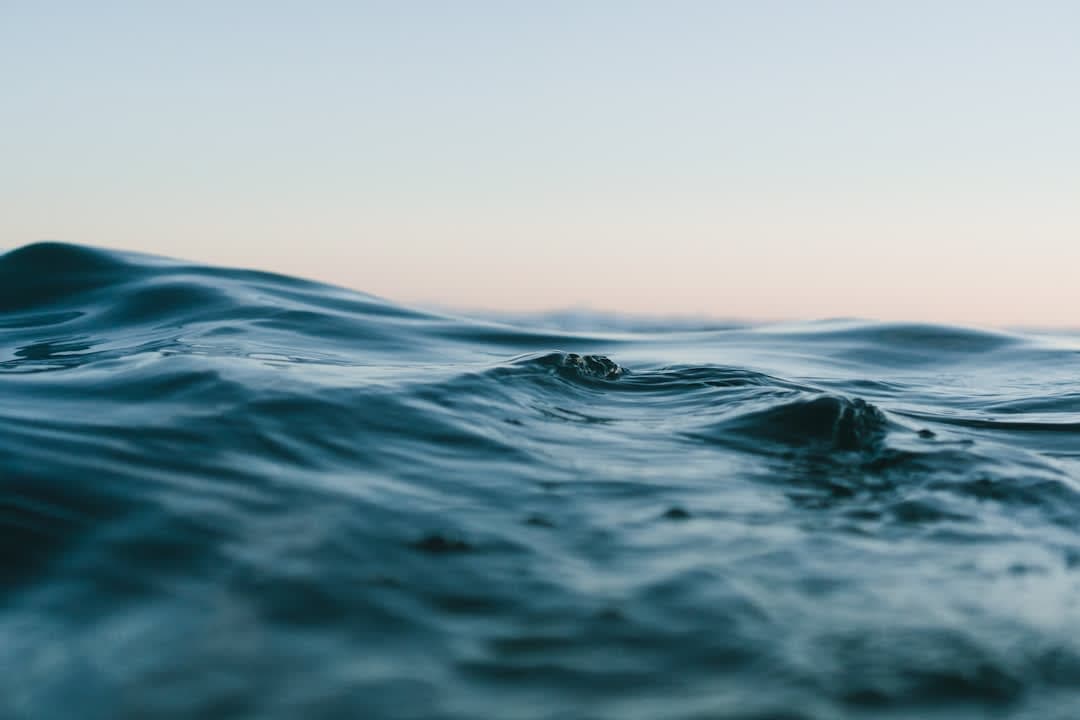
Underwater Oxygen Loss: A Growing Global Threat
As the world grapples with various environmental crises, underwater oxygen loss remains a largely underreported yet critical issue. This phenomenon, also known as ocean deoxygenation, poses severe threats to marine ecosystems and human economies. As entrepreneurs and business leaders, understanding these impacts and exploring innovative solutions can open avenues for sustainable ventures. In this extensive analysis, we dive into the implications of underwater oxygen depletion, explore real-world examples, industry data, and propose actionable solutions.
Understanding Underwater Oxygen Loss and Its Causes
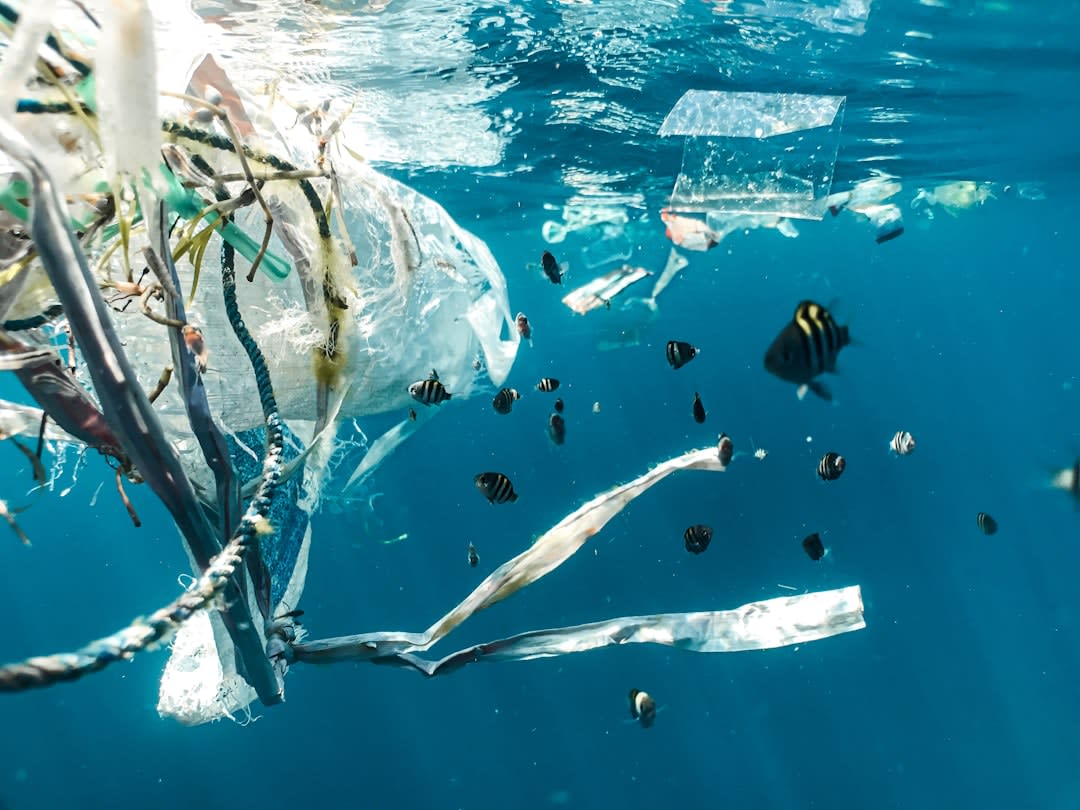
Underwater oxygen loss is primarily driven by climate change and nutrient pollution. Rising global temperatures increase ocean stratification, which reduces oxygen circulation from the surface to deeper waters. Additionally, nutrient pollution from agricultural runoff and sewage promotes algal blooms. When these blooms die, their decomposition consumes large amounts of oxygen, leading to hypoxic or anoxic conditions.
For instance, the Gulf of Mexico's 'Dead Zone' is a prime example of such nutrient-driven hypoxia. Each summer, this area expands to cover approximately 6,000-7,000 square miles, heavily impacting local fisheries and economies. According to the National Oceanic and Atmospheric Administration (NOAA), these dead zones are exacerbated by excessive nutrient runoff from the Mississippi River, primarily from agriculture.
Moreover, warming oceans not only affect stratification but also the oxygen solubility in water. Warm water holds less oxygen, further intensifying the crisis. A 2019 study published in Science reports that the world's oceans have lost around 2% of their oxygen since the mid-20th century, with more significant losses projected under current climate trajectories.
Impact on Marine Ecosystems
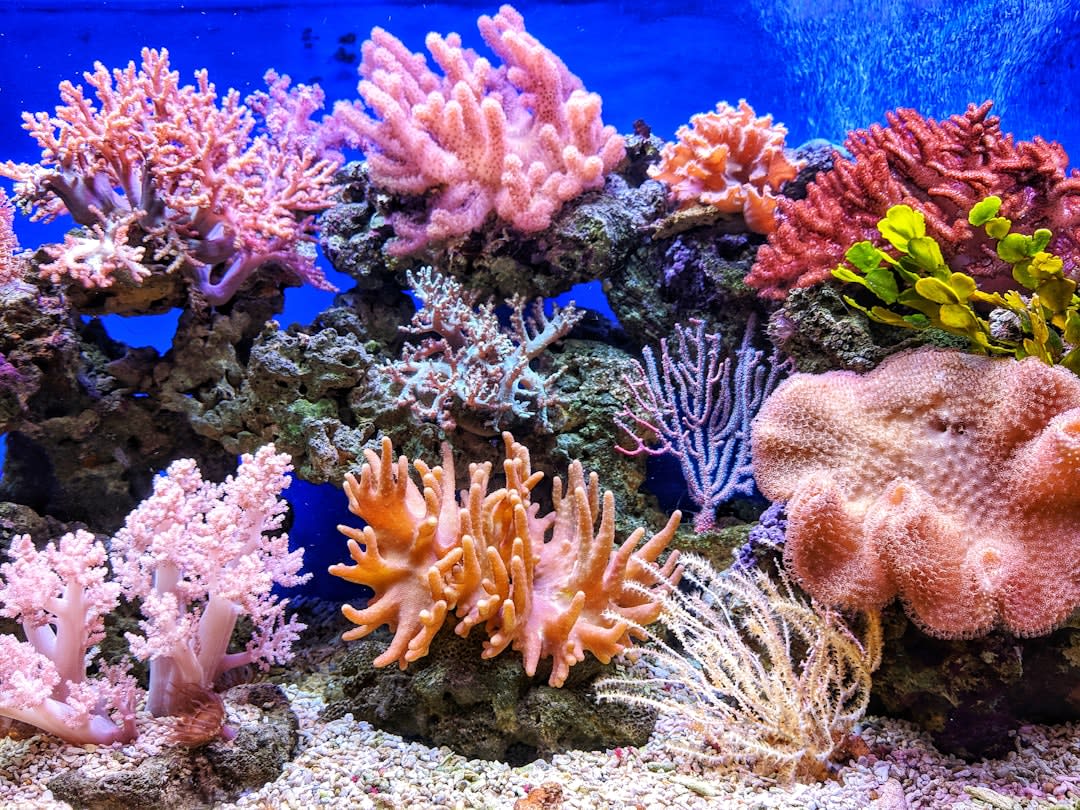
The loss of oxygen in underwater environments disrupts the delicate balance of marine ecosystems. Species that are less mobile or unable to migrate to oxygen-rich areas face severe survival challenges. For example, fish and invertebrates such as crabs and lobsters are particularly susceptible to low oxygen levels, leading to declines in population and biodiversity.
Furthermore, these changes in marine life distributions can have cascading effects on the food chain. Predatory species may lose their prey, while species that thrive in low-oxygen environments, such as jellyfish, may proliferate, disrupting ecological balance. This shift not only threatens biodiversity but also the livelihoods of communities dependent on marine life.
In the Baltic Sea, for instance, long-term oxygen depletion has resulted in significant mortality of cod eggs, affecting the entire food web and local fishing industries. The International Council for the Exploration of the Sea (ICES) highlights that such changes in fish populations and behaviors can have direct economic consequences, especially for small-scale fisheries.
Economic Consequences of Ocean Deoxygenation
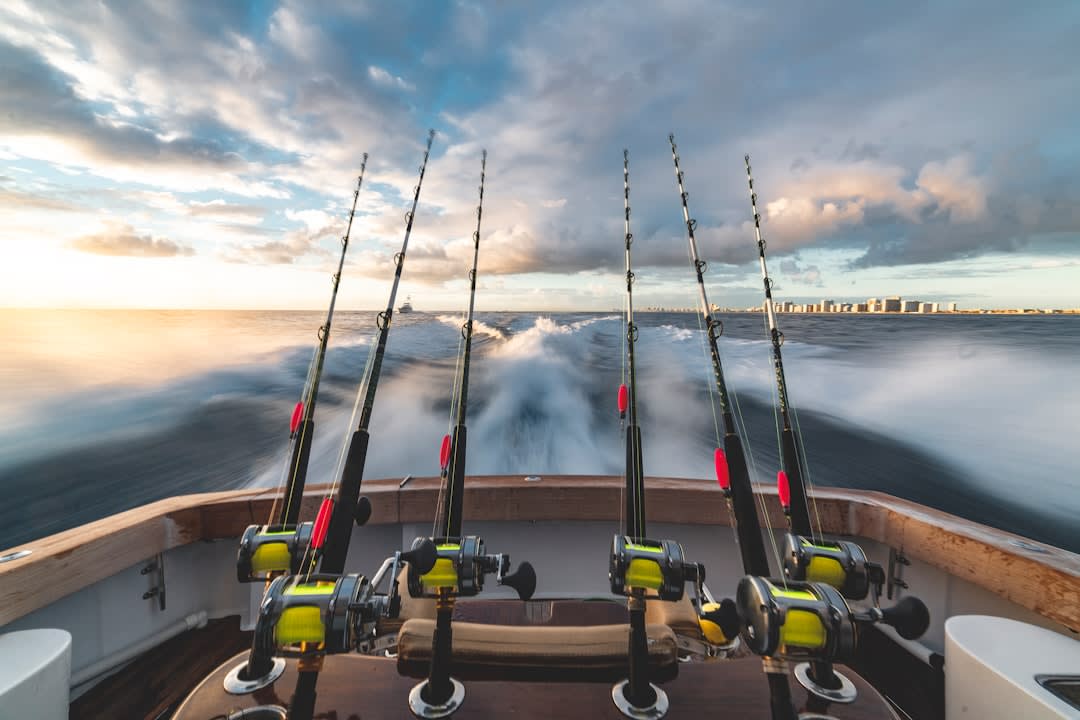
The economic implications of underwater oxygen loss are profound. Fisheries and aquaculture, which contribute significantly to global food security and employment, are particularly vulnerable. Reduced fish stocks due to habitat loss and changes in marine biodiversity can lead to decreased catches and economic loss.
According to a report by the World Bank, the global fishery sector is worth approximately $401 billion, supporting over 56 million jobs worldwide. However, with increasing deoxygenation, the industry faces potential revenue losses and rising operational costs due to the need for more sustainable practices and technologies.
Coastal tourism, another significant economic driver, also suffers from the impacts of deoxygenation. Dead zones diminish the aesthetic and recreational value of coastal areas, leading to reduced tourist inflows. For example, the Chesapeake Bay area has seen declines in water quality impacting its tourism revenue, stressing the need for urgent action.
Innovative Solutions and Business Opportunities
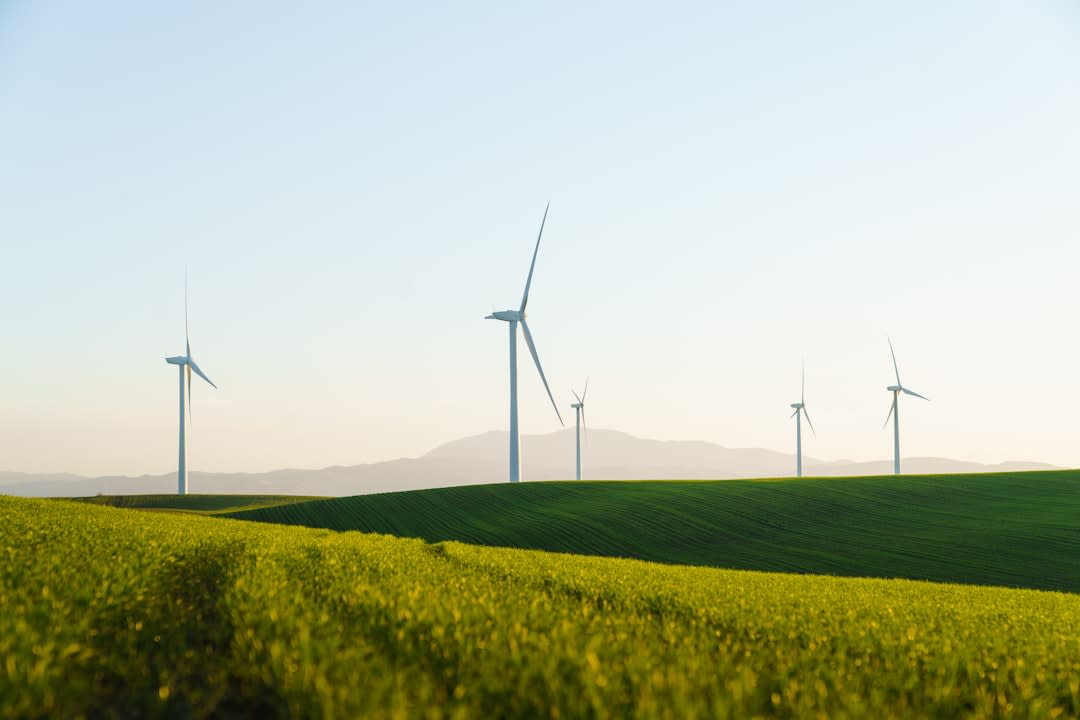
Addressing underwater oxygen loss requires a multi-faceted approach involving technological innovation, policy changes, and sustainable business practices. Entrepreneurs and startups have a unique opportunity to leverage these challenges into business opportunities.
For instance, the development of advanced monitoring systems using AI and IoT can provide real-time data on oxygen levels and marine health. These systems can help in predictive modeling and early warning, aiding in the prevention of hypoxic events. Companies like Blue Ocean Monitoring are at the forefront, utilizing autonomous underwater vehicles (AUVs) to gather crucial data.
Additionally, sustainable aquaculture practices can mitigate the impacts of deoxygenation. Techniques such as integrated multi-trophic aquaculture (IMTA) allow different species to be cultivated together, mimicking natural ecosystems and reducing nutrient runoff. This not only enhances productivity but also creates a more resilient marine environment.
Moreover, policy-driven solutions like the enforcement of stricter regulations on agricultural runoff and emissions are crucial. Businesses can align with these policies to ensure sustainable practices, opening doors to government incentives and funding opportunities. Partnerships with environmental organizations can also offer shared insights and resources, fostering innovation.
The Role of Entrepreneurs in Combating Ocean Deoxygenation

Entrepreneurs play a critical role in combating ocean deoxygenation through innovative business models and technologies. By prioritizing sustainability, businesses can not only mitigate their environmental impact but also capitalize on the growing consumer demand for eco-friendly products and services.
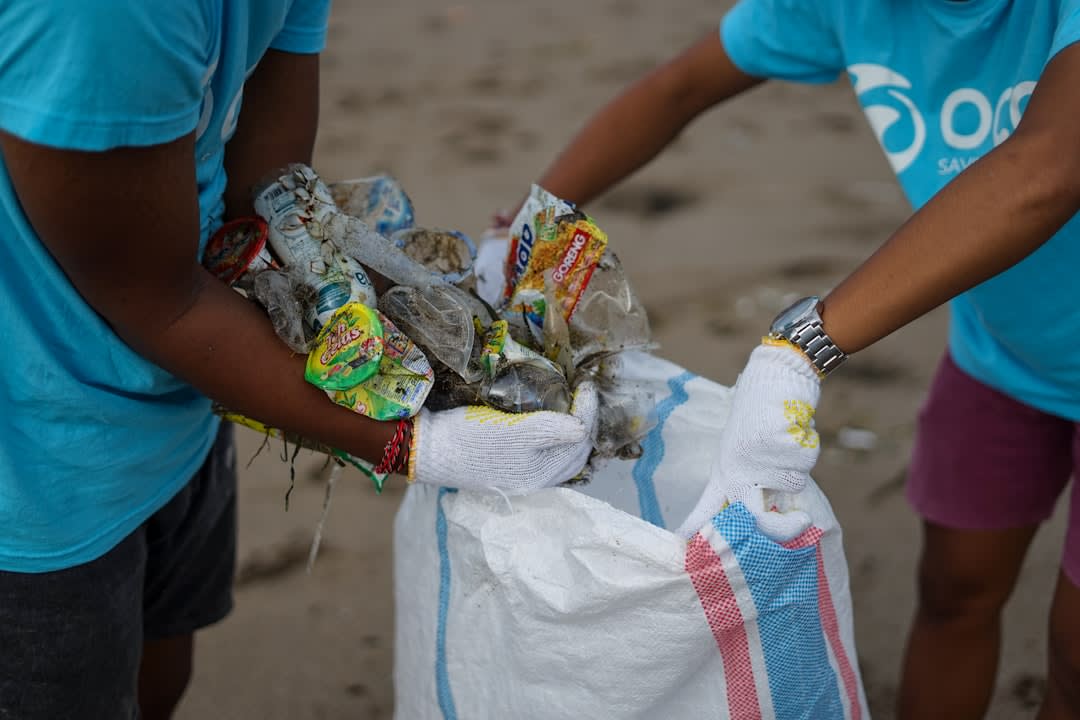
Startups focused on environmental technology, such as those developing biodegradable materials or water treatment solutions, are particularly well-positioned. These innovations can directly reduce pollution and improve ocean health. For example, companies like Ocean Cleanup are pioneering efforts to remove plastic waste, which indirectly contributes to oxygen depletion.
Furthermore, educational initiatives and partnerships can amplify impact. By raising awareness and collaborating with scientists and policymakers, entrepreneurs can drive systemic changes. Engaging in platforms and networks focused on environmental sustainability, like the Entrepreneurial Boom in America, can provide valuable insights and partnerships.
Future Outlook: Bridging the Gap Between Awareness and Action
While awareness of underwater oxygen loss is increasing, translating this awareness into actionable strategies remains a challenge. To bridge this gap, a concerted effort from all stakeholders, including businesses, governments, and consumers, is essential.
The potential for technology to play a significant role in monitoring and mitigating deoxygenation is immense. The integration of AI, as discussed in our blog on AI potential, offers new avenues for data analysis and predictive modeling. These technologies can help identify at-risk areas and inform policy and conservation efforts.
Moreover, public-private partnerships can enhance resource allocation and innovation. By aligning business goals with environmental objectives, companies can contribute to a sustainable future while ensuring long-term profitability.
Ultimately, proactive engagement and investment in sustainable technologies will be crucial. As we move forward, the role of entrepreneurs will be pivotal in shaping a resilient and sustainable future for our oceans and economies.
Conclusion
Underwater oxygen loss is a pressing environmental crisis with far-reaching implications for marine ecosystems and global economies. Addressing this issue requires a collaborative approach, leveraging technological innovations and sustainable business practices. Entrepreneurs and business leaders have a unique opportunity to drive change and create impactful solutions that not only preserve marine biodiversity but also enhance economic resilience. By embracing sustainability, the business community can play a vital role in safeguarding our oceans for future generations.
FAQs
- What is underwater oxygen loss? Underwater oxygen loss refers to the decline of oxygen levels in aquatic environments, primarily due to climate change and nutrient pollution, leading to hypoxic conditions.
- How does underwater oxygen loss affect marine life? It disrupts the balance of marine ecosystems, affecting species distribution and survival, with significant impacts on biodiversity and food chains.
- What are the economic impacts of ocean deoxygenation? It affects fisheries, aquaculture, and tourism, leading to economic losses and increased operational costs for businesses reliant on marine resources.
- What solutions exist to combat underwater oxygen loss? Solutions include technological innovations in monitoring, sustainable aquaculture practices, and policy changes to reduce pollution.
- How can businesses contribute to mitigating this crisis? Businesses can adopt sustainable practices, invest in eco-friendly technologies, and engage in partnerships focused on environmental sustainability.
- Why is this issue relevant to entrepreneurs? Entrepreneurs have the potential to drive innovation and create sustainable solutions, addressing both environmental challenges and consumer demand for eco-friendly products.
- What role does technology play in addressing ocean deoxygenation? Technology, particularly AI and IoT, plays a crucial role in monitoring, predictive modeling, and informing conservation efforts to mitigate deoxygenation impacts.
Tags
Amzsoft Innovexa
Engineering and delivery notes from the Amzsoft Innovexa team — fintech platforms, AI automation, and product engineering.