
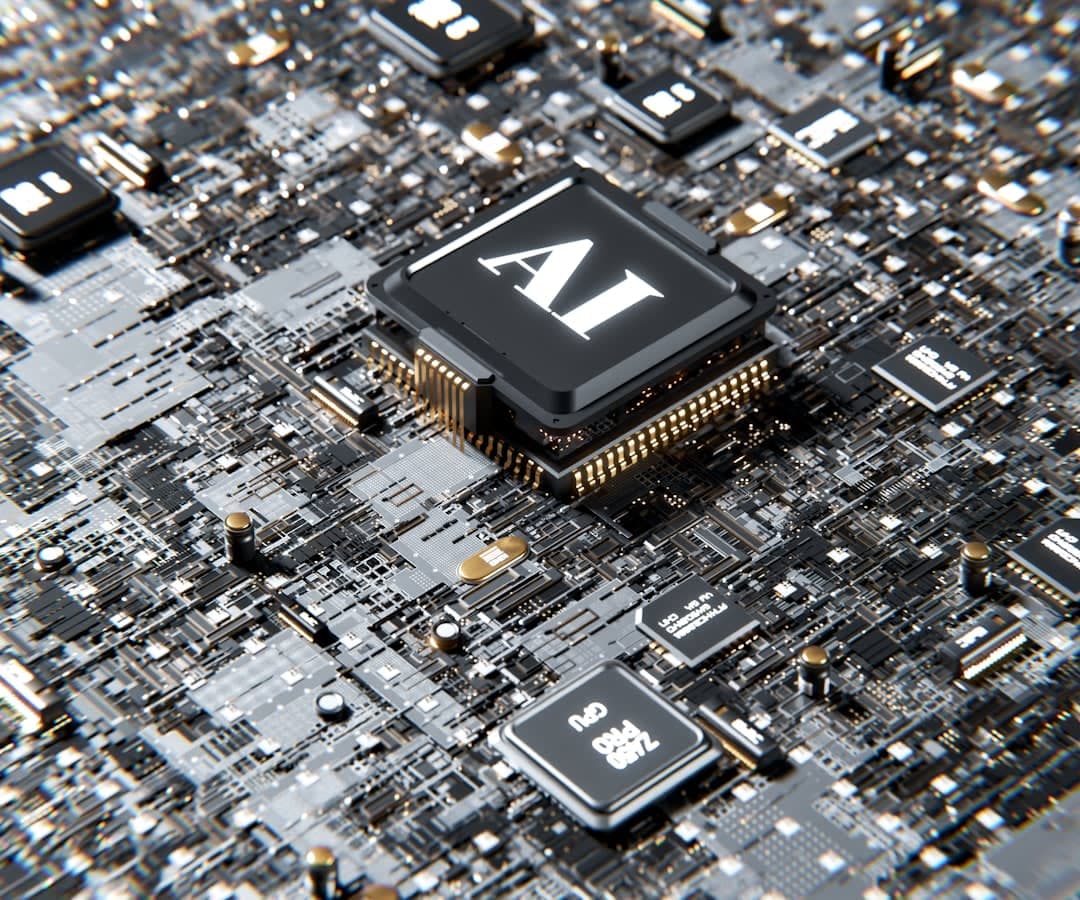
The Dawn of Sub-1 Nanometer Technology

IBM's announcement of the sub-1 nanometer chip marks a pivotal moment in computing technology. This breakthrough promises to redefine the landscape of software development and hardware capabilities. But what does this mean for the tech industry, particularly in areas like AI applications and machine learning?
The implications are vast. From increased processing power to reduced energy consumption, IBM's latest innovation could be the key to unlocking new potential in revolutionizing software development and enhancing AI applications.
Breaking Down the Nanometer Barrier
To appreciate the impact, let's first understand what sub-1 nanometer technology entails. A nanometer, one-billionth of a meter, is used to measure the size of transistors in a chip. Shrinking these components allows for more transistors on a chip, enhancing performance and efficiency.
This advancement enables chips to handle more complex computations, crucial for AI and machine learning applications where data processing demands are rapidly increasing.
Implications for Software Development

With enhanced processing power, developers can expect significant improvements in software performance. This is particularly beneficial for intensive applications such as AI, where real-time data processing is critical. Faster chips mean quicker computations and more responsive software.
Moreover, the efficiency gains from these chips can drive down energy costs, allowing developers to build more sustainable solutions. This aligns perfectly with the needs of startups looking to innovate within tight budget constraints.
For more insights into how startups navigate these challenges, check out our article on AI Startups Innovating.
Enhancing AI and Machine Learning
AI and machine learning are set to benefit immensely from IBM's chip technology. The increased processing capabilities allow for more complex models and faster training times, essential for developing cutting-edge AI applications.
This technology could also spark a surge in open-source AI development, as developers leverage the power of these chips to push the boundaries of what's possible.
Hardware Advancements on the Horizon
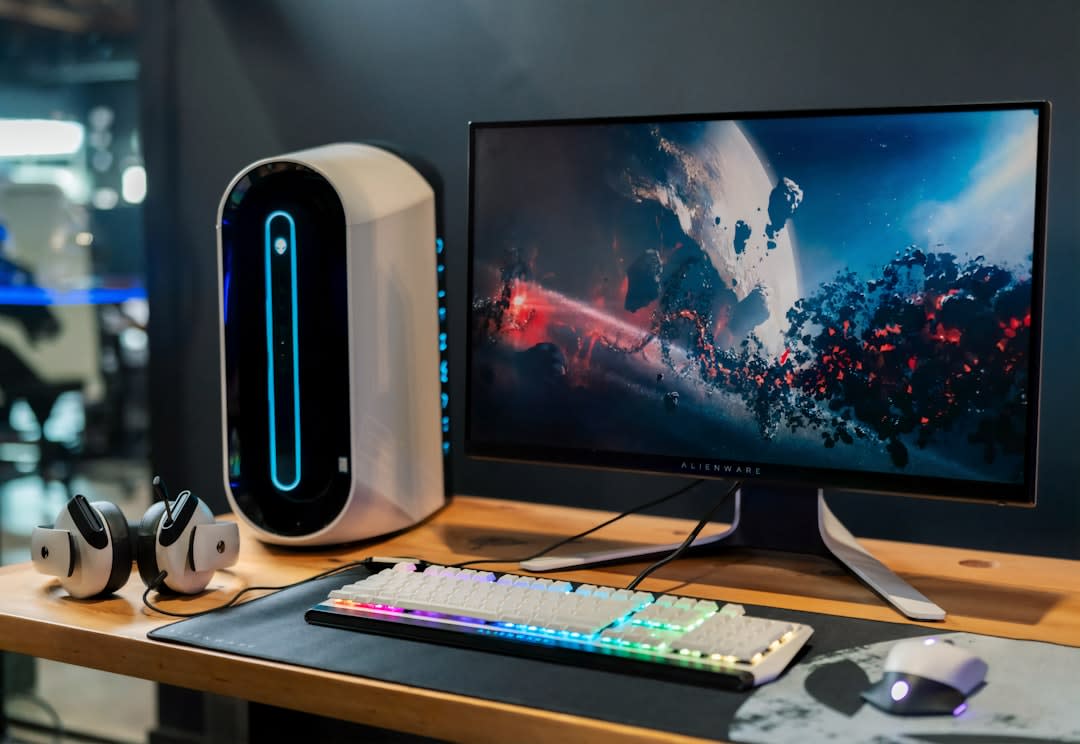
Beyond software, the hardware implications are equally exciting. More powerful and efficient chips mean devices with longer battery life, better performance, and potentially smaller form factors. This can revolutionize everything from smartphones to servers.
Companies like Ford, which have navigated AI talent strategies, may find new hardware capabilities invaluable for deploying AI solutions in their products and services.
Future Applications and Industry Impact
The potential applications of IBM's sub-1 nanometer chip are vast. In healthcare, faster processing can lead to quicker diagnostics and personalized medicine. In finance, it can enhance fraud detection and algorithmic trading.
As industries begin to integrate these chips, the ripple effects will be profound, driving innovation and potentially disrupting current market leaders.
Conclusion

IBM's sub-1 nanometer chip technology stands as a testament to the relentless pursuit of innovation in computing. Its impact will be felt across software development, AI, and hardware advancements, setting the stage for a new era of technological progress.
For those in the tech industry, staying abreast of these developments is crucial. Embracing new technologies like IBM's chip will be key to maintaining a competitive edge in a rapidly evolving landscape.
Tags
69ee7b2435e609f0fcf89840
Content creator and technology enthusiast sharing insights on the latest trends and best practices.

