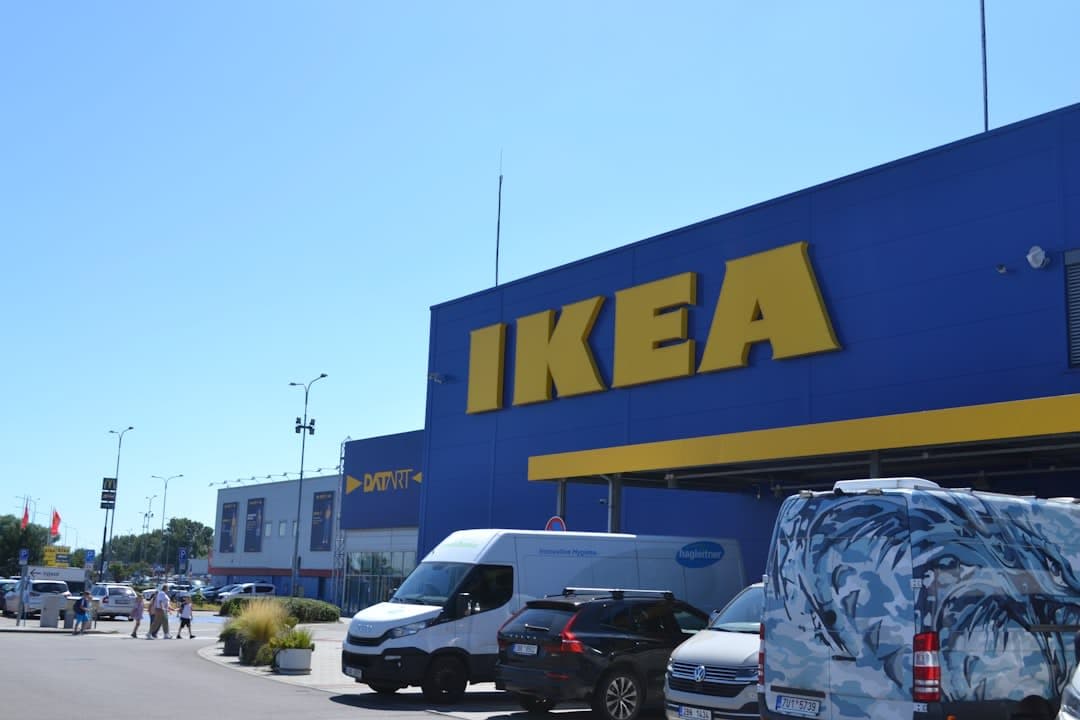
How IKEA Names Its Products: A Creative Insight
In the world of business branding, few companies have managed to create as distinctive and memorable a naming strategy as IKEA. Known globally for its affordable and stylish furniture, IKEA's product names are a testament to the brand's creativity and systematic approach. Unlike many companies that lean towards generic or descriptive names, IKEA has developed a unique system that not only adds personality to its products but also aids in creating a cohesive global brand identity.
In this article, we will delve into the intricacies of IKEA's naming conventions, exploring the creativity and strategic thinking behind this approach. We aim to provide entrepreneurs, startup founders, and business owners with insights that could inspire innovative branding strategies in their ventures.
The Systematic Approach Behind IKEA's Product Names

IKEA's product naming system is both systematic and unconventional. At its core, the strategy revolves around a specific set of categories and a linguistic approach that makes it stand out. Each product category is assigned a particular type of name based on Swedish words, places, or cultural references. For example:
- Furniture: Named after places in Sweden, such as towns and cities. For instance, the 'Stockholm' collection.
- Bedroom products: Use names of flowers and plants, like the 'Malm' bed series.
- Bathroom items: Often named after lakes and bodies of water.
This methodical approach not only brings a sense of consistency across IKEA's product lines but also infuses each item with a bit of Swedish culture. By anchoring product names in Sweden, IKEA creates a subtle yet powerful brand association with its country of origin, enhancing its global appeal.
Furthermore, this naming strategy alleviates language barriers. By using proper nouns that don't require translation, IKEA ensures that its product names remain consistent and recognizable in every market it enters. This is particularly beneficial in maintaining brand integrity and recognition across different languages and cultures.
Creativity and Cultural Connection in IKEA's Names

While the systematic aspect of IKEA's naming strategy is crucial, it's the creativity and cultural connections that truly set it apart. IKEA's names are not mere labels but stories woven into each product, enhancing the customer's emotional connection to the brand. This approach allows IKEA to build a narrative around its products, making them more than just functional items.
For example, the 'Billy' bookcase, one of IKEA's most iconic products, is named after an IKEA employee who was instrumental in its design. This personal touch not only highlights IKEA's focus on its workforce but also adds a layer of authenticity and charm to its products.
Moreover, the use of Swedish words and names adds an exotic flair that intrigues and educates consumers. For instance, the 'Klippan' sofa, named after a small town in Sweden, invites curiosity and interest, encouraging customers to learn more about the product's background. This clever use of culture and language turns product naming into a subtle form of storytelling, enriching the customer experience.
The cultural connection is a clever marketing strategy that has helped IKEA differentiate itself in the crowded furniture market. It demonstrates how a brand can leverage its heritage to enhance customer engagement and loyalty. Entrepreneurial ventures can learn from this by incorporating elements of their own culture or story into product names, thereby creating a deeper connection with their audience.
The Impact of IKEA's Naming Strategy on Branding

The impact of IKEA's naming strategy on its overall branding cannot be overstated. By employing a consistent and creative naming convention, IKEA has cultivated a brand image that is instantly recognizable and relatable. This strategy has contributed significantly to IKEA's position as a global leader in the furniture industry.
Consider the brand's ability to evoke a sense of curiosity and exploration through its product names. Customers often find themselves intrigued by the unique and sometimes whimsical names, prompting them to explore the catalogue further. This not only enhances customer engagement but also drives sales, as curious customers are more likely to discover additional products they might not have considered initially.
Additionally, IKEA's naming strategy supports its marketing efforts by simplifying the branding process. With a consistent naming convention, IKEA can easily develop marketing materials and campaigns that resonate across different languages and cultural contexts. This consistency is crucial for maintaining a strong brand identity in international markets.
For businesses looking to refine their branding strategies, IKEA's approach offers valuable lessons. By developing a systematic yet creative naming strategy that aligns with their brand values, companies can enhance customer engagement and strengthen their brand identity. Whether it's through cultural connections, storytelling, or systematic organization, the way products are named can significantly influence a brand's perception and success.
Practical Lessons for Entrepreneurs from IKEA's Naming Strategy

Entrepreneurs and business owners can draw several practical lessons from IKEA's naming strategy. The first is the importance of consistency in branding. By developing a systematic naming convention, IKEA ensures that its brand remains cohesive and recognizable, even across diverse product lines. This consistency is key to building a strong brand identity that resonates with consumers.
Another valuable lesson is the use of storytelling and cultural connections in product naming. IKEA's approach demonstrates how names can be more than just identifiers; they can be a means of conveying a brand's story and values. Entrepreneurs can leverage this by incorporating elements of their own story, heritage, or values into their product names, creating a deeper emotional connection with their audience.
Moreover, IKEA's strategy illustrates the power of simplicity in branding. By using straightforward and memorable names, IKEA ensures that its products are easy to remember and recognize. This simplicity is crucial in today's crowded market, where consumers are bombarded with countless options and information. By keeping names simple yet distinctive, businesses can enhance brand recall and make their products stand out.
Finally, IKEA's naming strategy highlights the importance of aligning product names with a broader brand narrative. Each name is a piece of the puzzle that contributes to the overall brand story. For entrepreneurs, this means ensuring that product names align with their brand values and contribute to a cohesive brand narrative.
Innovative Branding Strategies Inspired by IKEA

Beyond the lessons from IKEA's naming strategy, entrepreneurs can also draw inspiration for innovative branding strategies. One such strategy is to leverage technology to enhance branding efforts. For instance, exploring the best tech stack for your business can enhance your brand's digital presence and customer engagement. By integrating cutting-edge technologies, businesses can create more personalized and interactive brand experiences.
Additionally, businesses can explore the intersection of branding and customer experience. IKEA's approach shows the value of creating a seamless and engaging customer journey from the first interaction with the product name to the final purchase. This can be achieved by integrating branding efforts with customer-centric technologies, such as AI-driven personalization or conversational interfaces. For insights into how AI is revolutionizing industries, check out our article on Stripe's acquisition of OpenRouter and its impact on AI in payments.
Furthermore, entrepreneurs can explore innovative ways to protect and enhance their brand's reputation. As illustrated in our piece on privacy and cybersecurity concerns, safeguarding a brand's integrity and customer trust is paramount in today's digital landscape. By prioritizing cybersecurity and ethical practices, businesses can build a strong and trustworthy brand image.
Conclusion
IKEA's product naming strategy is a masterclass in branding creativity and consistency. By employing a systematic yet culturally rich approach to naming, IKEA has managed to create a distinctive brand identity that resonates with consumers worldwide. This strategy not only enhances customer engagement but also supports IKEA's marketing and branding efforts on a global scale.
For entrepreneurs and business owners, IKEA's approach offers valuable insights into the power of creative naming strategies. By developing a consistent and culturally connected naming convention, businesses can build a strong brand identity and foster deeper connections with their audience. Whether you're launching a new product line or refining your branding strategy, the lessons from IKEA's naming approach can inspire innovative and effective branding solutions.
Frequently Asked Questions
-
Why does IKEA use Swedish names for its products?
IKEA uses Swedish names to maintain a consistent brand identity and connect its products to its Swedish heritage. This approach also simplifies the naming process across different languages and cultures.
-
How does IKEA's naming strategy benefit its branding?
IKEA's naming strategy enhances branding by creating a cohesive and recognizable identity. The cultural and systematic approach adds personality to products and strengthens customer engagement.
-
Can other businesses adopt IKEA's naming strategy?
Yes, businesses can adopt similar strategies by developing consistent naming conventions that reflect their brand values and cultural background, thereby enhancing brand identity and customer connection.
-
What role does storytelling play in IKEA's naming strategy?
Storytelling is integral to IKEA's strategy, as product names often tell stories or highlight cultural connections. This enriches the customer experience and deepens emotional connections with the brand.
-
How can entrepreneurs use IKEA's insights for their branding?
Entrepreneurs can learn from IKEA by creating simple, culturally connected names that reflect their brand story and values, aiding in building a strong and memorable brand identity.
-
What are the key benefits of a systematic naming approach?
A systematic approach ensures consistency, aids brand recognition, and simplifies marketing across different markets, contributing to a cohesive and strong brand identity.
-
How does IKEA handle language barriers with its naming strategy?
By using proper nouns and names that don’t require translation, IKEA's naming strategy transcends language barriers, maintaining consistency and brand integrity across various markets.
Tags
Amzsoft Innovexa
Engineering and delivery notes from the Amzsoft Innovexa team — fintech platforms, AI automation, and product engineering.